

Sunningdale’s Fatal Spring
Archived: 8 October 2026
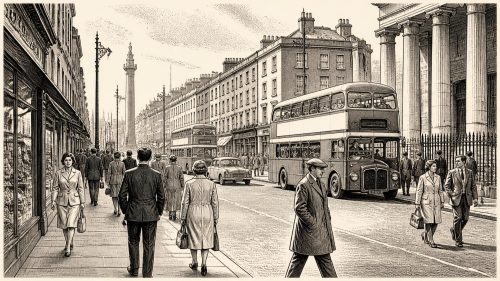
In 1974, Northern Ireland’s Sunningdale power-sharing Executive collapsed after anti-agreement unionist electoral success and the Ulster Workers’ Council strike, restoring direct rule from Westminster. During the strike, loyalist car bombs killed thirty-three people in Dublin and Monaghan, exposing the Republic’s vulnerability; no one was prosecuted. Violence continued across Ireland and Britain, while republicanism fragmented with the formation of the IRSP. Economic disruption, inflation and a lengthy Dublin bus strike burdened daily life. Equal-pay legislation advanced women’s rights, but contraception reform failed. Erskine Childers died, Cearbhall Ó Dálaigh succeeded him, and cultural initiatives persisted amid constitutional crisis and widespread social loss.



