Archived: 26 October 2026
Abstract
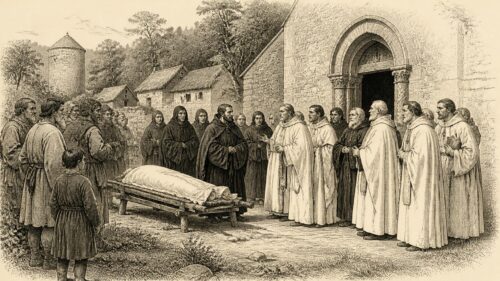
In 1229, the disputed burial of Diarmait Mac Gilla Carthaig, erenach of Tibohine, exposed rivalry between Boyle’s Cistercians and Trinity’s canons, leaving his body at Drum for three days before settlement. The year also brought clerical deaths, resignations and the loss of learned canon Gerald Ó Catháin, amid Connacht’s instability after 1228. Duibessa Ó Conchobair died as a nun, while rulers of Desmond and Corcu Laígde died. Henry III granted Dublin a mayoralty and Drogheda urban liberties, disafforested lands linked with Glendalough, and Ballybeg Priory was conventionally founded. These events reveal regional institutions, succession, patronage and authority across medieval Ireland.
Read Article
Archived: 26 October 2026
Abstract
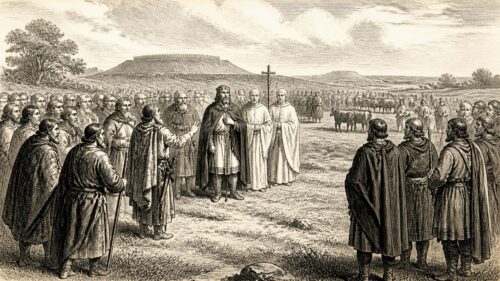
In 1228, Áed Ó Conchobair of Connacht was murdered in Leinster, intensifying dynastic conflict. Richard de Burgh, newly appointed justiciar, helped oversee a Connacht assembly that inaugurated Áed son of Ruaidrí at Carnfree, rejecting his elder brother Toirrdelbach. The settlement failed: warfare, cattle seizures and plunder devastated much of Connacht, causing hunger, displacement, and the flight of clergy and learned people. Elsewhere, lineage killings affected Breifne, royal administration promoted Magna Carta and land claims, and Dublin’s archiepiscopal succession became contested. Coleraine’s fortification was renewed, while Irish annalists noted Francis of Assisi’s canonisation, revealing Ireland’s wider ecclesiastical connections during the year.
Read Article
Archived: 26 October 2026
Abstract
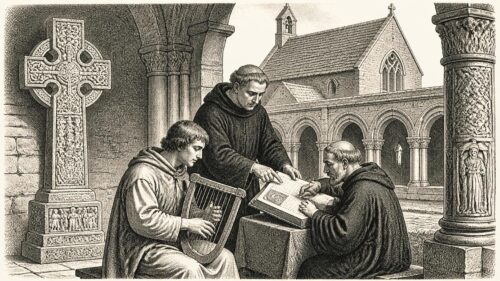
In 1226, Connacht remained unstable after Cathal Crobderg Ua Conchobair’s death, as his son Áed faced dynastic rivals, neighbouring lords and changing English policy. Killings, attacks on houses, captivity and local feuds across Connacht, Breifne and Iar-Chonnacht exposed fractured authority. Henry III ordered Geoffrey de Marisco to demand Connacht’s surrender from Áed, advancing Richard de Burgh’s interests despite opposition among colonial magnates. Cathal Ua Raigillig destroyed Cill Mór castle, illustrating the vulnerability of frontier strongholds. Deaths of bishops, nobles and Cong’s learned erenagh also marked the year, while religious houses preserved learning, patronage and dynastic commemoration amid wider ongoing conflict.
Read Article
Archived: 26 October 2026
Abstract
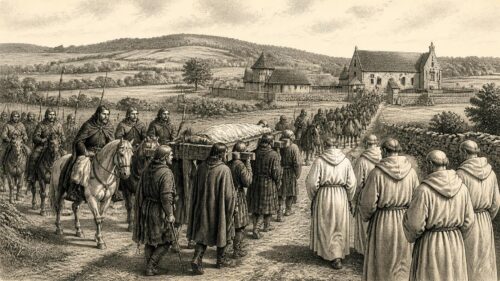
In 1224, Cathal Crobhderg Ua Conchobair’s death at Knockmoy ended a Connacht reign and enabled his son Áed’s swift, but contested, succession. Cathal had combined authority with diplomacy towards Henry III, seeking security for Connacht and recognition of Áed. Meanwhile William Marshal suppressed Hugh de Lacy’s rebellion, retaking Trim Castle through campaigning supported by Anglo-Norman and Gaelic allies. Áed joined these wider struggles, attacking castles and resisting rivals backed by Áed Ua Néill. Church life included Cathal’s Cistercian burial, learned clerics, and the arrival of Dominicans. War, weather and livestock disease disrupted agriculture, exposing dependence on cattle, supplies and alliances.
Read Article

