13 January 1900

Observer Expelled

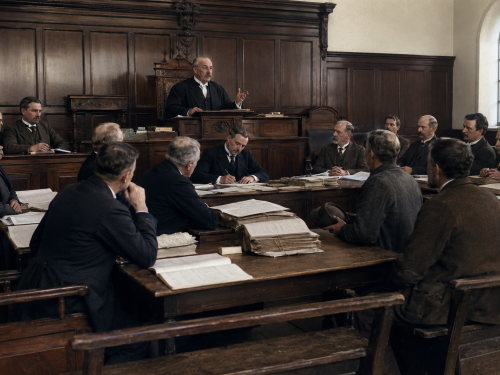
The Limerick Board of Guardians unanimously ordered a police constable to leave its meeting after members discovered that he was taking notes of the proceedings while dressed in civilian clothing. The incident, reported on 13 January 1900, interrupted the ordinary work of the board and immediately raised questions about why a police observer had entered the room without openly declaring his purpose. Mr Fitzgerald drew attention to the constable’s presence and proposed that the chairman require him to withdraw. Mr Kelly seconded the motion, which passed without dissent, leaving the officer no choice but to depart.
Tenant Payments

Judge Richard Adams delivered an important ruling during the Limerick Quarter Sessions concerning the fixing of fair rents on Irish agricultural holdings. He declared that money already paid by a tenant to obtain possession of a farm should be taken into account when the judicial rent was assessed. Such payments commonly represented the purchase of the outgoing tenant’s interest, goodwill or tenant-right rather than money paid directly to the landlord. Adams’s statement recognised that an incoming occupier might have invested a substantial sum before paying a single year’s rent and that this financial burden formed part of the true circumstances of the tenancy.

Claims Approved

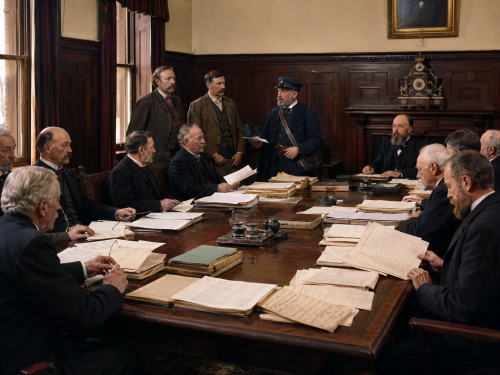
The Treasury approved compensation claims submitted by two former deputy cess collectors whose employment had been affected by the transfer of local administration from the Grand Jury system. The decision, reported on 13 January 1900, reached Limerick County Council by telegram. Councillors had previously concluded that they possessed no legal authority under the Local Government (Ireland) Act of 1898 to compensate deputies who had not been formally appointed by the Grand Jury. The successful applicants therefore carried their cases beyond the Council, asking the Treasury to recognise the financial loss created when the older machinery of county taxation was replaced.