Archived: 18 October 2026
Abstract
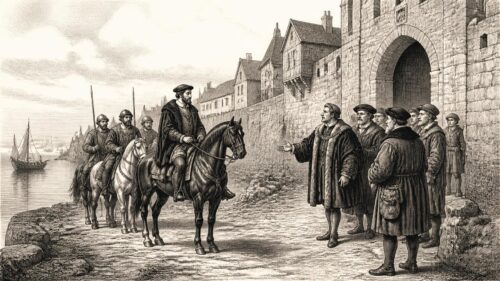
In 1538, Lord Leonard Grey extended Tudor influence through an armed western progress, securing submissions, attacking Claregalway Castle and visiting Galway, where civic hospitality reflected loyalty. Yet authority remained contingent: regional rulers used crown alliances for dynastic rivalries, while warfare continued in Connacht, Tyrone, Fermanagh and Wicklow. Grey’s support helped Ulick Burke dominate Clanricarde, and Thomond politics shifted around O’Brien competition. Religious reform advanced unevenly through Browne’s contested visitation and monastic suppressions, while Newry was remodelled rather than dissolved. Piers Butler regained Ormond’s earldom, and urban education and patronage persisted. Ireland remained politically fragmented, governed through force, negotiation and bargains.
Read Article
Archived: 18 October 2026
Abstract
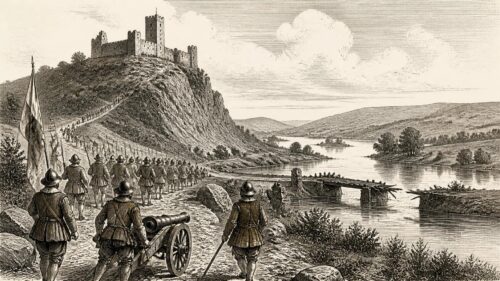
In 1536, Tudor authority in Ireland expanded after the Kildare revolt through Leonard Grey’s appointment as lord deputy, the Dublin parliament and military campaigning. Parliament asserted Henry VIII’s royal supremacy over the Irish church, attainted Kildare interests and initiated changes to religious property, though enforcement remained limited and monastic dissolution was incomplete. Grey captured Carrigogunnell Castle and destroyed its bridge, exploiting regional rivalries. Elsewhere, Connacht experienced succession disputes, raids, artillery warfare, sanctuary violations and the burning of Dromahair monastery. Plague, smallpox and illness compounded instability, while deaths of lords and poet Tomás Ó hUiginn marked cultural loss. Local lordship remained.
Read Article
Archived: 18 October 2026
Abstract
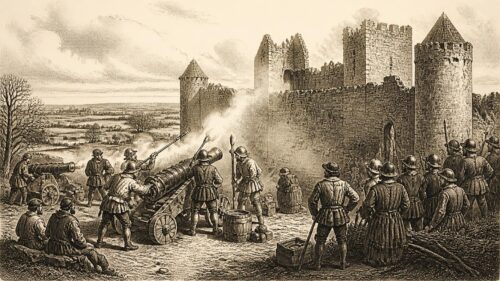
In 1535, the Kildare rebellion collapsed through military defeat, fractured alliances and Thomas FitzGerald’s surrender. Crown artillery captured Maynooth Castle in March, after which surrendered defenders were executed, creating the notorious memory of Maynooth’s pardon. Gaelic allies submitted or negotiated as royal pressure intensified. Leonard Grey received Thomas’s surrender in August and escorted him to England, where imprisonment preceded execution in 1537. Government forces also captured Dungarvan, while northern agreements revealed dependence on powerful local lords. Skeffington’s death closed a campaign. Victory dismantled Geraldine power without establishing secure government across Ireland, leaving authority contested through rivalries, coercion and fragile bargains.
Read Article

