
Archived: 18 October 2026
Abstract
The evidence for 1556 is uneven, but it is unusually revealing. A change at Dublin Castle, a northern expedition, the seizure and release of midland hostages, a newly finished castle, a Thomond encounter and the killing of a leading poet all appear in the record. Taken together, they show an Ireland in which the Tudor state sought firmer control while Gaelic lordships, Old English magnates, churchmen and learned families still exercised authority on their own ground.A New Deputy at DublinOn 27 April Thomas Radcliffe, then Lord Fitzwalter and soon to become third earl of Sussex, was appointed lord deputy of
Read Article

Archived: 18 October 2026
Abstract
In 1555 An Calbhach Ó Domhnaill, aided by Archibald Campbell’s Scottish troops and artillery, overthrew and imprisoned his father Manus, lord of Tír Chonaill, initiating prolonged conflict and devastation in Donegal. The coup demonstrated Gaelic rulers’ reliance on maritime alliances, mercenaries, castles and gunpowder. Elsewhere, Hugh Ó Néill of Upper Clandeboye was killed by Scottish gunfire, amid enduring MacDonnell expansion in Ulster. Dublin’s authority remained limited, while annalistic dating of official campaigns requires caution. Marian restoration included papal recognition of Philip and Mary and St Patrick’s cathedral’s revival. Notices from Thomond and Youghal reveal negotiated regional politics and overseas links.
Read Article

Archived: 18 October 2026
Abstract
In 1553, Donough O’Brien’s death provoked a violent Thomond succession dispute, as his brother Sir Donal displaced his teenage son Conor despite Tudor inheritance arrangements. Donal demonstrated regional power through campaigning and negotiations at Leix, amid wider conflicts in the midlands and Connacht. Mary Tudor’s accession redirected Irish government towards Catholic restoration, although change remained gradual and uneven. George Dowdall regained recognition as archbishop of Armagh, while Protestant bishop John Bale fled Ossory. Sir Anthony St Leger returned as lord deputy, charged with reconciling religious restoration, fiscal restraint, military reduction, plantation and expanded crown authority. Chronological uncertainties complicate annalistic claims.
Read Article
Archived: 18 October 2026
Abstract
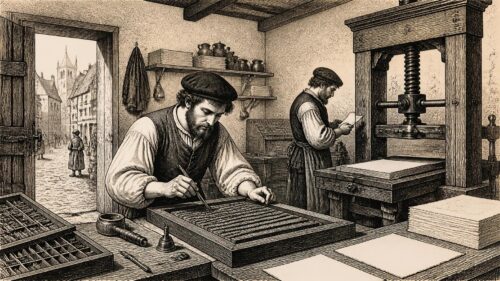
In 1551, Ireland’s political map still consisted less of a single governed realm than of overlapping jurisdictions, alliances and rival claims. Edward VI was king, and the Dublin administration claimed authority over the whole island, but its regular reach remained strongest in Dublin, the Pale and a scattering of garrisons. Beyond them, Gaelic lordships and great aristocratic territories retained armed followings, local law, hereditary expectations and diplomatic connections across the Irish Sea. The year brought this uneven kingdom into sharp focus: an English prayer book was printed in Dublin for the first time, a new lord deputy took office, and
Read Article
Archived: 18 October 2026
Abstract
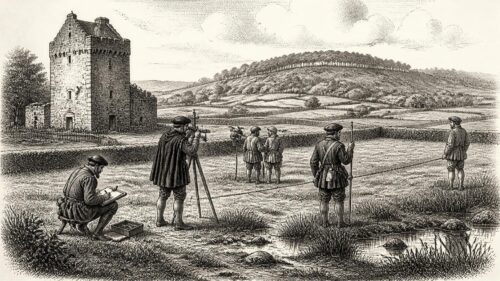
In 1550, Sir Anthony St Leger restored negotiation to Tudor Irish policy, promoting surrender and regrant despite disputes favouring military coercion. French approaches in Ulster exposed fragmented lordships and competing dynastic interests rather than a united anti-English alliance. The crown ordered surveys and proposed leasing in Leix and Offaly, beginning systematic plans for territorial intervention without securing control. A proposed Irish mint reflected fiscal ambitions. Humphrey Powell received funding for a Dublin printing press, linking Edwardian religious reform with state communication, though printing and the English liturgy began later. Language, local power and limited resources constrained government ambitions across Ireland.
Read Article

