Membership is completely free, giving members unlimited access to all available resources, services, features, and benefits without any restrictions or fees.
Welcome back. Sign in to continue enjoying unlimited access to all available resources, services, features, and member benefits at no cost.
The clearest Irish event of the year occurred far from Ireland. On 20 July 1616 Hugh O’Neill, second earl of Tyrone and the most formidable Irish lord of the previous generation, died in Rome. The date is firmly recorded in the Annals of the Four Masters. For contemporaries in the Irish Catholic world, his death marked the end of a life that had moved between accommodation with the crown, regional lordship, open rebellion and exile. For the Dublin administration, it removed a figure whose name still carried immense political weight, even though he had been absent from Ireland since the Flight of the Earls in 1607.
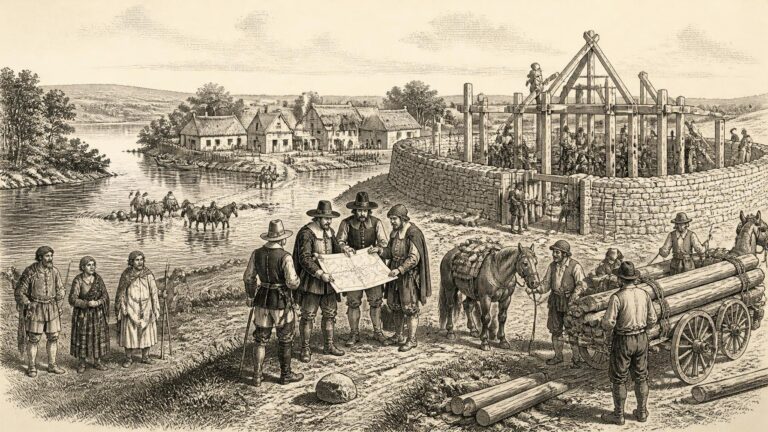
One firmly dated development belongs to the opening months. Between 2 February and 25 April, Sir Josias Bodley carried out a royal survey of the Plantation of Ulster. This was not simply a map-maker’s exercise. The Crown had confiscated extensive lands after the Flight of the Earls and subsequent upheavals, then divided much of the six ‘escheated’ counties among English and Scottish undertakers, military servitors, churches and selected Irish proprietors. Grantees had been expected to bring in British tenants, erect defensible houses and bawns, establish villages and keep armed settlers available for defence.
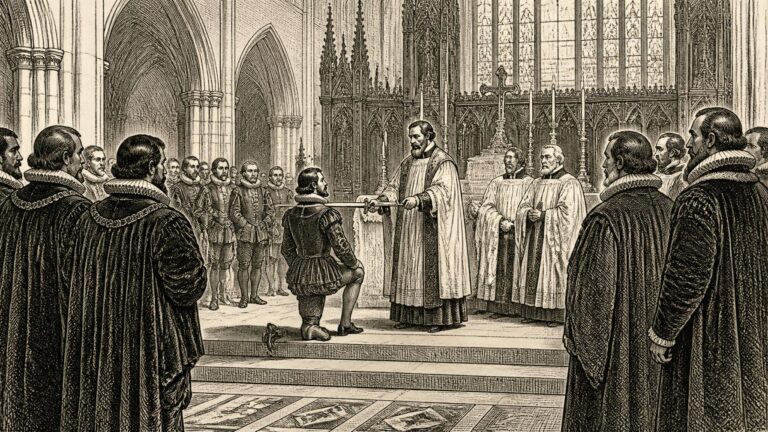
The most sharply dated Irish event of the year occurred in Dublin on 1 February. Conor O’Devany, Roman Catholic bishop of Down and Connor, and Patrick O’Loughran, a priest associated with the archdiocese of Armagh, were executed at George’s Hill after conviction for treason. They had been tried on 28 January. The prosecution linked them to the Flight of the Earls of 1607 and alleged dealings with the pope and Spain; O’Loughran’s past service to the exiled Hugh O’Neill, earl of Tyrone, made him particularly vulnerable. The charges made the two clerics symbols of a state still anxious about foreign intervention and the displaced Gaelic leadership.
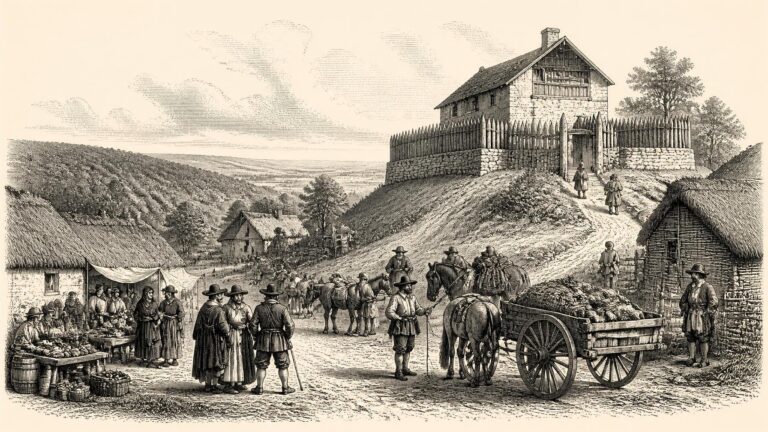
The formal Plantation centred on six counties where extensive lands had escheated to the Crown: Armagh, Cavan, Coleraine, Donegal, Fermanagh and Tyrone. This was not the whole of Ulster. Antrim and Down, for example, had already attracted substantial private settlement, particularly from Scotland. But the six escheated counties became the arena for a much more systematic Crown programme, designed in Dublin and London and justified as a means of security, revenue, Protestant reform and ‘civil’ order.