Membership is completely free, giving members unlimited access to all available resources, services, features, and benefits without any restrictions or fees.
Welcome back. Sign in to continue enjoying unlimited access to all available resources, services, features, and member benefits at no cost.
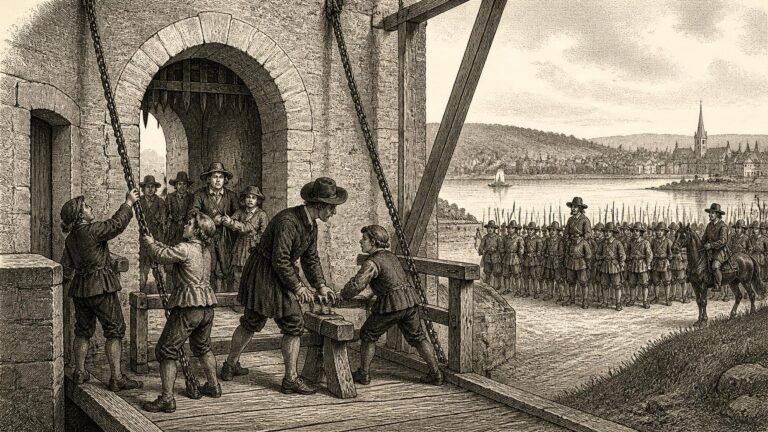
Richard Talbot, earl of Tyrconnell, governed Ireland for James II as lord deputy. A Catholic royalist and an energetic political operator, Tyrconnell had spent the previous years remodelling the Irish administration. Catholics were increasingly appointed to offices in the army, law, local government and county administration from which they had long been excluded. In the army, the change was especially conspicuous: Protestant officers and soldiers had been removed or marginalised, while Catholic recruitment and promotion accelerated.
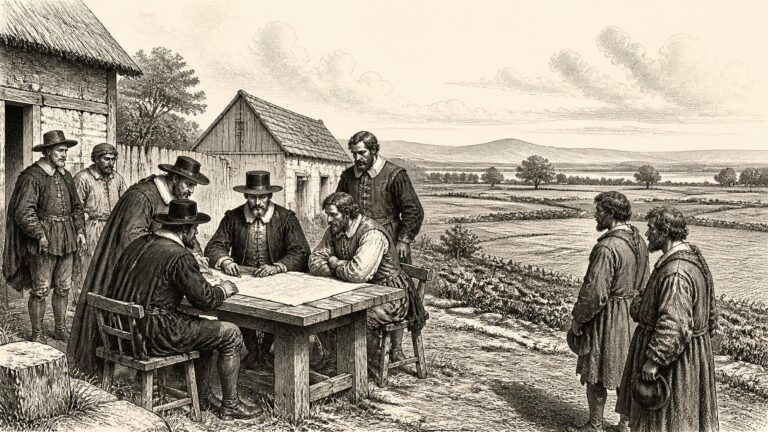
The plantation of Longford did not begin neatly on 1 January 1620. Royal instructions for planting Longford and Ely O’Carroll had been issued in August 1619, while disputes over title, surveys and the treatment of existing occupants belonged to a longer process. What can securely be placed in 1620 is the issuing of conditions for leases under the Longford plantation in April. That matters because plantation was not simply a transfer of acres on a map. It depended upon leases: documents that determined who could occupy land, on what terms, with what rents, and under whose jurisdiction.