Explore every Emerald Archives article connected with Good Friday Agreement.
2020–2029 CE
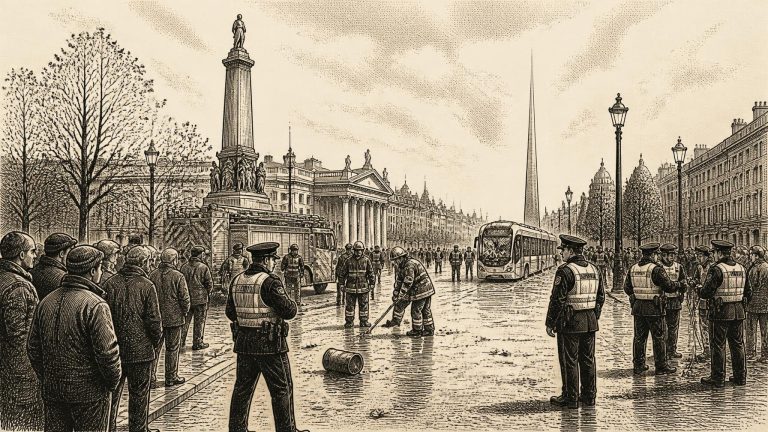
In 2023, Ireland’s population surpassed five million, intensifying pressures on housing, homelessness, public services and migration accommodation. Employment remained strong despite inflation and multinational-led GDP contraction, while housing completions rose without easing rental scarcity. Government introduced domestic-violence leave, revised electoral boundaries and launched an anti-racism plan. Ireland marked the Good Friday Agreement’s twenty-fifth anniversary during continuing political deadlock in Northern Ireland, highlighted by President Biden’s visit. Sporting successes and Sinéad O’Connor’s death shaped public culture, while the RTÉ payments controversy damaged trust. November’s Parnell Square riot exposed misinformation, racism and policing concerns. Record warmth, rainfall and flooding underscored climate vulnerability.
2010–2019 CE
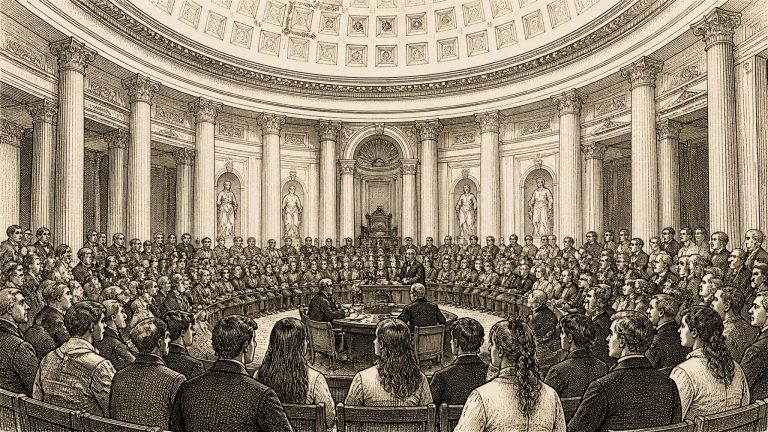
In 2019, Ireland faced Brexit, social reform and uneven recovery. The Government enacted contingency legislation and pursued arrangements preventing a hard border, while the revised Northern Ireland Protocol replaced the backstop, though Brexit remained unresolved. Lyra McKee’s murder in Creggan exposed continuing dissident violence and Northern Ireland’s institutional vacuum, during which Westminster advanced abortion and marriage equality reforms. Republic voters liberalised divorce rules, and abortion services began. Employment and population grew, but homelessness and housing pressures persisted. Climate emergency measures and the National Broadband Plan signalled policy ambitions. First Dáil centenary commemorations connected democratic origins, revolutionary conflict, and constitutional uncertainty.
In 2018, Ireland experienced major constitutional, social and political change amid economic growth and persistent inequality. In May, voters repealed the Eighth Amendment by 66.4 per cent, enabling legislation for abortion services from 2019; October also removed blasphemy from the Constitution and returned Michael D. Higgins as President. Brexit negotiations centred on an Irish border backstop, while Northern Ireland remained without devolved government. Housing shortages and homelessness intensified despite Project Ireland 2040 and new development initiatives. Pope Francis’s visit highlighted abuse-related criticism of the Church. Alcohol legislation, broadband planning and severe autumn storms further shaped a consequential, unresolved national year.

Ireland’s 2016 combined the Easter Rising centenary with political fragmentation and Brexit uncertainty. After an inconclusive election, Enda Kenny led a Fine Gael minority government sustained by Fianna Fáil confidence and supply, amid disputes over water charges, housing and public services. Inclusive commemorations at the GPO, Kilmainham and elsewhere examined 1916’s contested legacy. Britain’s EU withdrawal vote revived concerns about the border, trade, the Common Travel Area and the peace process. Economic recovery, falling unemployment and immigration coincided with homelessness and housing shortages. Ireland challenged the European Commission’s Apple tax ruling, established a Citizens’ Assembly, and joined the Paris Agreement.
2000–2009 CE
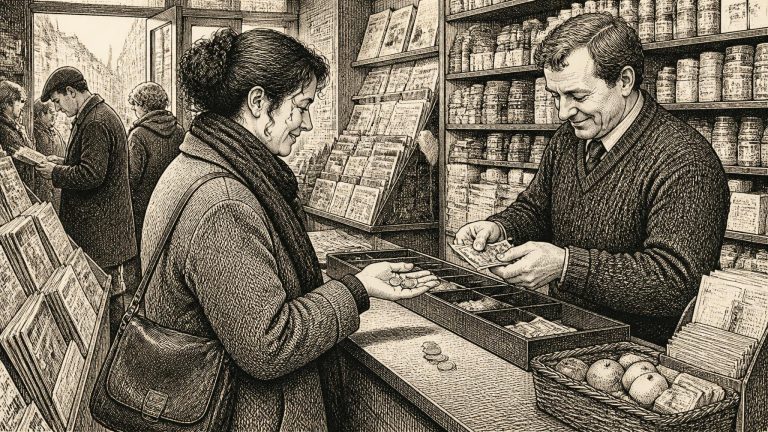
In 2002, euro notes and coins replaced the Irish pound, symbolising deeper European integration. Ireland’s Celtic Tiger economy remained strong in GDP terms, but weak GNP growth exposed dependence on foreign-owned firms. Census results recorded rapid population growth, immigration and Dublin-centred expansion, straining housing and services. Voters rejected tighter abortion provisions but approved the Nice Treaty, enabling EU enlargement. Bertie Ahern’s coalition won re-election. Clerical abuse controversies intensified scrutiny of Church authority. Northern Ireland’s institutions faltered despite IRA decommissioning, leading to suspension of devolved government. Ireland’s World Cup run provided national unity amid profound wider social, economic and constitutional change.
In 2000, Northern Ireland’s new power-sharing Executive was suspended over IRA decommissioning, then restored after commitments and arms inspections, though no weapons were destroyed. Saville’s Bloody Sunday hearings began, while policing reform advanced through the Police (Northern Ireland) Act. In the Republic, Celtic Tiger growth brought low unemployment, inflation and infrastructure pressures, prompting the National Development Plan and Science Foundation Ireland. A national minimum wage, equal-status protections, human-rights legislation and child-abuse inquiry strengthened social accountability. Clinton visited Dundalk supporting peace. Sporting finals sustained shared rituals, but fragile devolution and unresolved arms left the peace process dependent on continuing international reassurance.
1990–1999 CE

In 1999, Northern Ireland’s devolved Executive began work at Stormont, led by David Trimble and Seamus Mallon, while new North/South and British-Irish bodies implemented the Good Friday Agreement. The Republic amended its Constitution, replacing territorial claims with consent-based unity, though decommissioning and policing reform remained disputed. Ireland joined the euro’s non-cash phase amid rapid economic growth, but nurses’ industrial action revealed pressure on public services. Kosovar refugees arrived and immigration law changed. States of Fear prompted official acknowledgement of institutional abuse. Gay Byrne left The Late Late Show, Heaney published Beowulf, and Cork won the All-Ireland hurling final in September.

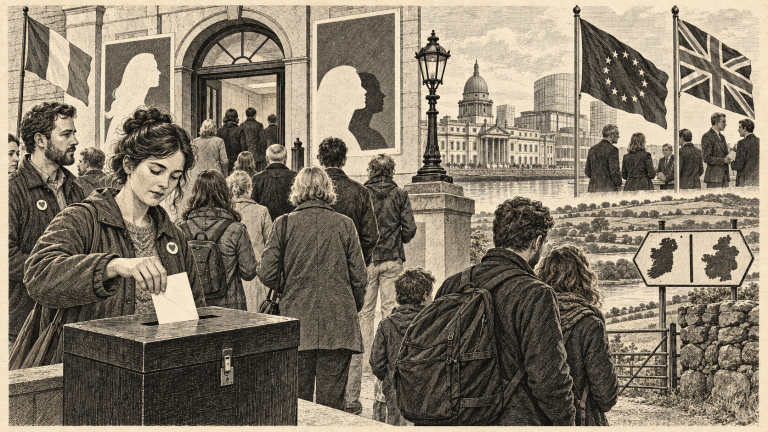
In 1998, the Good Friday Agreement created a consent-based framework for Northern Ireland, recognising British and Irish identities, establishing proposed devolved and cross-border institutions, and requiring constitutional change. Referendums on 22 May endorsed it strongly in Northern Ireland and overwhelmingly in the Republic, where the Nineteenth Amendment enabled revised Articles 2 and 3. Assembly elections followed, but disputes over decommissioning delayed an Executive. The Real IRA's Omagh bombing killed twenty-nine people, exposing continuing violence and prompting security measures. John Hume and David Trimble received the Nobel Peace Prize, while economic growth and equality, enterprise and food-safety reforms reflected wider change.