
Archived: 26 September 2026
Abstract
In 1989, Ireland combined tentative recovery with enduring social and political strain. Fianna Fáil, short of a majority after June’s election, formed its first coalition, with the Progressive Democrats. Judicial separation legislation modernised family law without legalising divorce. Social partnership, European structural funding and Intel’s Leixlip investment signalled economic change, although unemployment and emigration remained severe. Northern Ireland endured killings, including Patrick Finucane’s murder and the IRA attack on two RUC officers, while Peter Brooke acknowledged military means alone could not end conflict. Three Irish UN soldiers died in Lebanon. Ireland’s football team qualified for its first World Cup finals.
Read Article
Archived: 11 October 2026
Abstract
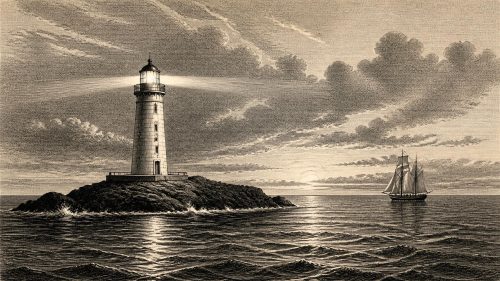
In 1815, Ireland, within the United Kingdom, faced transition from Napoleonic war to peace. Daniel O’Connell’s fatal duel with John D’Esterre heightened his prominence amid Catholic exclusion and Protestant civic power. Waterloo ended wartime demand, exposing agriculture’s dependence on British markets and foreshadowing hardship. New infrastructure included Tuskar Rock lighthouse, Charles Bianconi’s Clonmel–Cahir passenger service, and Cork’s first Irish-built steamship. Catholic public confidence appeared in St Mary’s Pro-Cathedral’s foundation and the Religious Sisters of Charity. The Dublin Society acquired Leinster House, William Drennan published reformist writing, and asylum governance was formalised, revealing Ireland’s changing political, religious, commercial and institutional systems.
Read Article

Archived: 13 October 2026
Abstract
In 1748, Ireland’s restricted Protestant political order was highlighted by the Newtown Act, which regularised non-resident burgesses and potentially strengthened borough patronage, while excluding Catholics and dissenters from power. Completion of James FitzGerald’s Palladian Kildare House demonstrated aristocratic wealth, influence and Dublin’s southward expansion. Wartime fasts and embargoes gave way to ceasefires and the Treaty of Aix-la-Chapelle, though rural households remained economically insecure within imperial trading constraints. Proclamations against robbery, intimidation and arson reflected official anxieties over order. Catholic organisation persisted despite Penal Laws, marked by Archbishop Ross Roe MacMahon’s death, while early Methodist preaching added to Ireland’s religious landscape.
Read Article

