Archived: 26 September 2026
Abstract
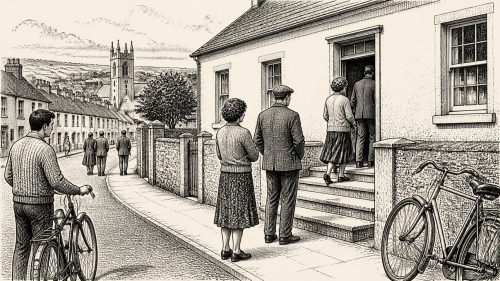
In 1986, Ireland faced economic hardship, social change and intensified Northern conflict. Garret FitzGerald’s coalition confronted debt, unemployment and emigration, while legislation addressed poverty, welfare and public archives. Voters decisively rejected a constitutional amendment permitting limited divorce, though separation and marital breakdown remained prominent realities. The census recorded 3,540,643 people; Self-Aid highlighted mass unemployment, and Knock airport symbolised regional aspiration. Chernobyl contamination fears and the Russborough art theft caused concern. The Anglo-Irish Agreement provoked unionist resistance, culminating in Peter Robinson’s loyalist incursion into Clontibret. Sinn Féin ended Dáil abstention, prompting a republican split, revealing deep enduring strains across Irish society.
Read Article
Archived: 8 October 2026
Abstract
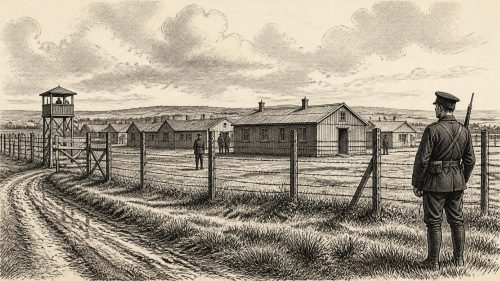
In 1957, Ireland faced economic decline, emigration and renewed border violence. The IRA’s failed Brookeborough attack killed Seán South and Fergal O’Hanlon, while subsequent violence prompted de Valera’s Fianna Fáil government, elected in March, to intern republicans at the Curragh. Despite constitutional commitment to unity, Dublin prioritised state authority. T. K. Whitaker’s analysis of protectionism, weak exports and unemployment initiated preparation for economic reform, alongside IMF and World Bank membership. Social legislation addressed health insurance, mental treatment, married women’s legal status and Gaeltacht employment. The Fethard-on-Sea boycott exposed religious intolerance, while theatre censorship and railway closures reflected rural contraction nationwide.
Read Article

Archived: 13 October 2026
Abstract
In 1748, Ireland’s restricted Protestant political order was highlighted by the Newtown Act, which regularised non-resident burgesses and potentially strengthened borough patronage, while excluding Catholics and dissenters from power. Completion of James FitzGerald’s Palladian Kildare House demonstrated aristocratic wealth, influence and Dublin’s southward expansion. Wartime fasts and embargoes gave way to ceasefires and the Treaty of Aix-la-Chapelle, though rural households remained economically insecure within imperial trading constraints. Proclamations against robbery, intimidation and arson reflected official anxieties over order. Catholic organisation persisted despite Penal Laws, marked by Archbishop Ross Roe MacMahon’s death, while early Methodist preaching added to Ireland’s religious landscape.
Read Article

Archived: 13 October 2026
Abstract
In 1747, Ireland saw no single decisive event, but political, religious, cultural and social tensions were visible. George Stone became Church of Ireland archbishop of Armagh and a lord justice, strengthening Protestant administrative power under a restricted constitution. Catholic leadership changed through episcopal deaths and appointments, sustained by clerical and continental networks despite penal laws. John and Charles Wesley made their first Irish visits, while Edmund Burke helped found a Trinity debating club. Dublin’s Kelly riots exposed disputes over privilege and theatre authority. Proclamations addressed quarantine, rural crime, weavers’ unrest and rioting, reflecting hardship, trade and fragile order after famine.
Read Article
Archived: 17 October 2026
Abstract
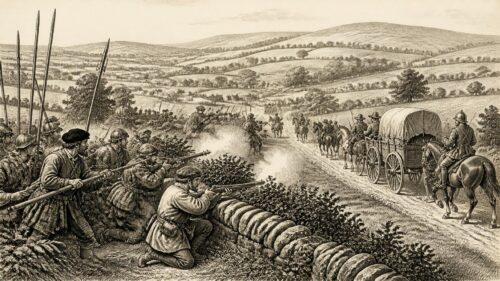
In 1595, the Nine Years’ War became an open challenge to Elizabeth I’s rule as Hugh O’Neill and Hugh Roe O’Donnell expanded resistance across Ulster and beyond. After the Blackwater fort’s seizure, Crown attempts to sustain exposed garrisons faltered. At Clontibret, O’Neill’s forces badly mauled Sir Henry Bagenal’s returning convoy through disciplined firearms, fieldworks and mobile warfare, though they did not destroy it. O’Donnell’s campaigns destabilised Connacht, using raids, hostages and alliances to extend influence. Fighting also ravaged Wicklow and civilian communities. Despite negotiation and continued Crown control of towns, 1595 established a broader, organised and destructive conflict in Ireland.
Read Article

Archived: 17 October 2026
Abstract
In 1591, Tudor authority pressed unevenly upon Gaelic Ireland through military, legal and administrative measures. Brian na Múrtha O’Rourke, lord of West Bréifne, fled to Scotland after invasion, was surrendered to England, tried for treason and executed at Tyburn, demonstrating the crown’s expanding reach. Monaghan’s contested settlement and mass pardons revealed efforts to reorganise lordship and land. Hugh O’Neill’s marriage to Mabel Bagenal intensified Ulster rivalries. Catholic appointments and continental contacts sustained religious networks and official fears of foreign intervention. Annalistic deaths and praise for lords preserved Gaelic values. Although no rebellion began, distrust and dispossession sharpened conditions preceding war.
Read Article

Archived: 17 October 2026
Abstract
In 1590, Hugh Roe MacMahon’s execution after a manipulated Monaghan trial signalled the Tudor government’s determination to replace Gaelic lordship with courts, garrisons and Crown-controlled landholding. Sir Richard Bingham’s campaigns in Connacht and Breifne secured hostages, devastated O’Rourke territory and established a strategic fort, though resistance revived. In Tyrconnell, Donnell O’Donnell’s death at Doire Leathan strengthened Hugh Roe’s eventual claim while he remained imprisoned. Sorley Boy MacDonnell died, prompting renewed territorial conflict, and Hugh O’Neill eliminated a dynastic rival. Despite warfare, learned culture and commercial development persisted. Ireland remained politically fragmented, as Crown expansion encountered resilient local powers across Ireland.
Read Article
Archived: 17 October 2026
Abstract
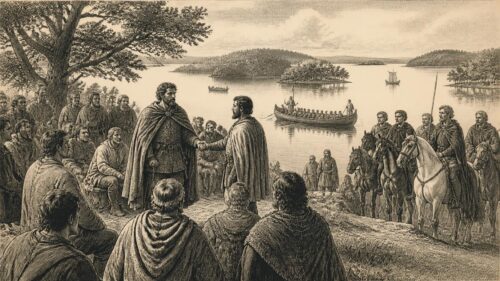
In 1589, Cú Chonnacht Óg Maguire’s death triggered a Fermanagh succession contest, resolved at Sciath Ghabhra when Donnell O’Donnell backed his son Hugh, reinforcing north-western alliances. MacMahon succession rivalry in Monaghan invited intervention by Lord Deputy Sir William Fitzwilliam, while Hugh O’Neill consolidated his position. In Connacht, opposition to Sir Richard Bingham’s Composition produced raids, government defeat, reprisals, an inquiry, Bingham’s acquittal and renewed campaigning. Munster commissioners assessed the incomplete plantation of confiscated Desmond lands. Ecclesiastical appointments and annalistic obituaries reflected enduring Catholic, Gaelic learned and social traditions. Together, these events exposed conflicts over lordship, land, royal administration and authority.
Read Article
Archived: 17 October 2026
Abstract
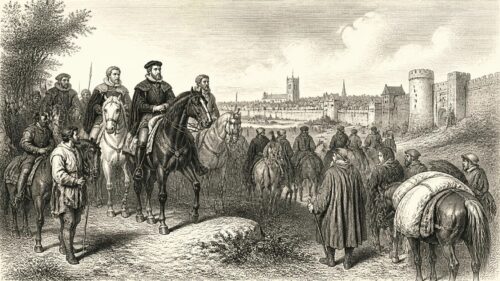
In 1585 Sir John Perrot sought to extend Tudor government through parliament, negotiated revenues and regional settlements. Dublin’s parliament drew Gaelic, Old English and crown interests together, recognising Hugh O’Neill as earl of Tyrone, yet resistance to cess and limited attendance exposed fragile consent. The Composition of Connacht and Thomond converted traditional exactions into recorded cash payments, though coercion, abuses and refusals persisted. In Ulster, Perrot temporarily accommodated rival O’Neill claims while creating new counties, but MacDonnell power remained resilient. Religious repression, local violence, damaged crops and noble succession further revealed a kingdom governed through negotiation, insecurity and competing loyalties.
Read Article
Archived: 18 October 2026
Abstract
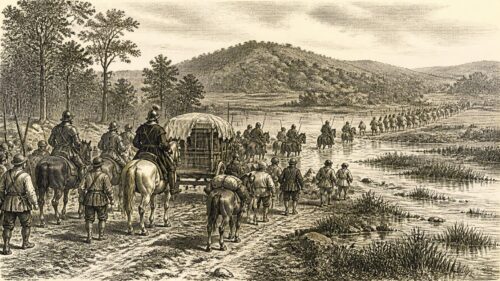
In 1539, Conn Bacach O’Neill and Manus O’Donnell allied, solemnising their pact at a Donegal friary, while Manus consolidated influence through tribute, hostages and agreements. Their raid through Meath reached Tara but ended in defeat when Lord Deputy Leonard Grey intercepted their returning force at Bellahoe. The battle demonstrated Dublin’s capacity to punish incursions, though northern lordships remained resilient. Meanwhile, Henrician commissioners advanced religious reform, suppressing houses, redistributing property and remodelling Holy Trinity, Christ Church, as a secular cathedral. Deaths, disputed successions and destructive June storms further exposed widespread persistent insecurity. Royal authority and reform remained uneven outside government-controlled districts.
Read Article
Archived: 19 October 2026
Abstract
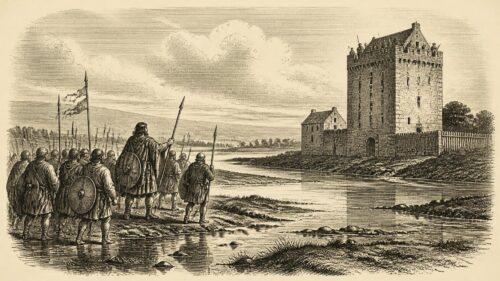
In 1476, Ireland’s competing lordships combined warfare, negotiation and institutional continuity. Henry Ó Néill captured and demolished Bel-Feirste castle, while raiding Oirghialla; Clandeboye survived. Maguire succession in Fermanagh was destabilised by killings and deaths. In Connacht, brief seizures of Roscommon castle exposed fragile authority, whereas Mac William Burke and Aodh Ruadh Ó Domhnaill negotiated a division of Lower Connacht after confrontation. English forces devastated crops, a monastery and settlements in the midlands. Dublin lordship maintained parliamentary, fiscal and legal activity. Annals also recorded prominent poets, clerics and scholars, revealing interconnected political, religious and learned cultures amid violence across the island.
Read Article
Archived: 19 October 2026
Abstract
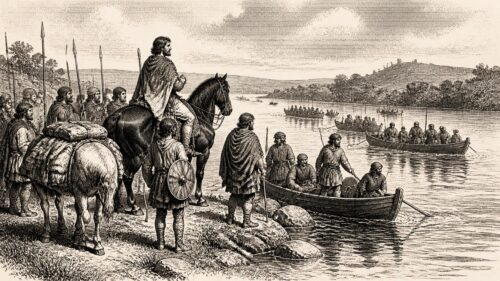
In 1475, Aodh Ruadh O’Donnell of Tír Chonaill led a major circuit through Breifne, Meath, Offaly and Connacht, combining armed pressure, alliance-building and peace-making. His host aided Brian O’Reilly, O’Farrell allies and Connacht friends, devastated parts of Meath, burned Delvin, and crossed the Shannon using local boats. Elsewhere, Réamonn MacMahon was defeated and captured in Oriel, while Henry O’Neill raided Fermanagh. Disputed successions in Annaly, castle transfers in Clanricard, and local battles revealed unstable lordship. Deaths of clerics, rulers and learned men, alongside monastic burials and literary remembrance, illustrate a politically connected, violent yet culturally resilient Ireland in the period.
Read Article

Archived: 20 October 2026
Abstract
In 1462, Ireland experienced interconnected conflicts, raiding, lordship and institutional development. Butler forces, supported by English followers, contested Desmond control in the south-east; their defeat at Piltown enabled FitzGerald advances, though maritime captures and parliamentary attainder prolonged the struggle. In Ulster, Henry Ó Néill raided Tír Chonaill, devastating districts amid rivalry with Aodh Ruadh Ó Domhnaill, while killings reflected continuing northern instability. Connacht disputes involved ransoms, rents and cattle seizures. Franciscan friars founded a house at Monaghan, and Thomas Cusin taught law in Armagh. These events demonstrate power exercised through warfare, wealth, patronage, fortified places and learning across medieval Ireland.
Read Article
Archived: 20 October 2026
Abstract
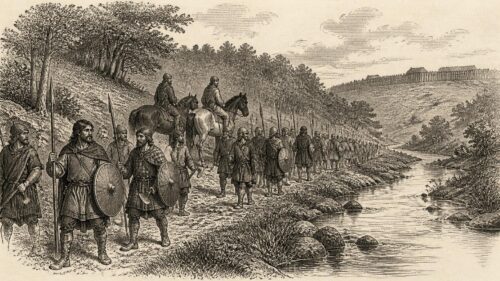
In 1457, the Maguires of Fermanagh pursued campaigns against MacMahon territory in Oriel and O’Rourke lands in Breifne, burning settlements and lordly residences after defenders secured their cattle. Philip Maguire’s raid provoked pursuit and battle, while Thomas Maguire’s meeting with Lochlainn O’Rourke near Ath Conaill ended in a decisive Maguire victory on the Gráinne river, followed by the display of sixteen noble heads. Annals portray these conflicts as contests for livestock, territory, clients and prestige. Deaths among regional elites were recorded. Ecclesiastically, John Bole became archbishop of Armagh, Murrisk friary emerged, and William Sherwood gained, in October, a Bologna doctorate.
Read Article

Archived: 20 October 2026
Abstract
In 1453, Irish annals record regional struggles rather than a national crisis. At Ardglass, a Dublin fleet pursuing Welsh raiders who had seized the archbishop defeated Henry Mac Néill Buidhe’s Clandeboye force, aided by the Savages; leading Ulster men died and Henry was captured. In Oriel, Hugh Roe MacMahon died and was succeeded by Felim MacMahon, while Donnchadh MacCarthy Reagh’s death brought Diarmaid an Dúna to power in Carbery. Killings, deaths and disputed lordships in Connacht, Bréifne and Tirerrill revealed political dependence on kin, followers, castles and church patronage. The record depicts maritime, localised and interconnected late-medieval society in Ireland.
Read Article
Archived: 22 October 2026
Abstract
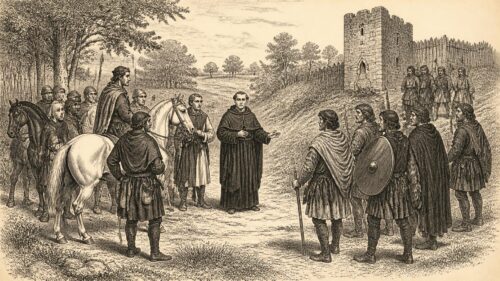
In 1368, Irish authority remained fragmented and precarious. Aed Ó Conchobair, king of Connacht, died at Roscommon and Ruaidri Ó Conchobair succeeded amid partition, contested claims, disease and the killing of Tadc Ó Conchobair, which deepened dynastic hostility. In Oriel, Niall Ó Néill accepted Brian Mac Mathghamhna’s submission, but unauthorised allies attacked and were defeated with heavy losses. In Kildare, Berminghams captured royal chancellor Thomas de Burley and other officials, securing his exchange for an imprisoned kinsman and ransoms. On 17 October, fire destroyed St Mary’s monastic church at Trim. Together, these events show institutions dependent on unstable personal alliances.
Read Article
Archived: 22 October 2026
Abstract
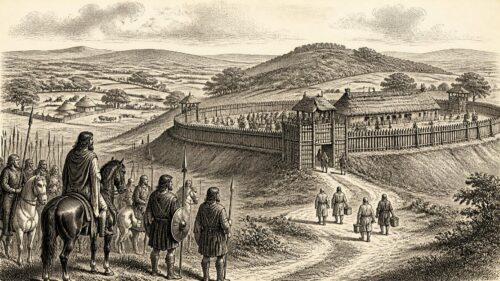
In 1365, Niall Ó Néill, newly king of Tír Eógain, led a coalition into Oriel, besieging Brian Mac Mathghamhna before an unauthorised assault shattered the settlement and killed allies. Dynastic contention also reshaped Connacht, Magh Luirg and East Bréifne, where deaths, accessions, warfare and Cú Chonnacht Ó Raghallaigh’s religious retirement altered lordship. Raids on border communities demonstrated the human cost of rivalry. Ecclesiastical leaders and learned travellers remained active across Irish Sea networks. In the English lordship, Lionel of Antwerp briefly returned England, while Thomond’s rulers submitted diplomatically. The year reveals authority as negotiated through warfare, kinship, religion and accommodation.
Read Article

Archived: 26 September 2026
Abstract
In 1212, royal efforts to extend King John’s Irish lordship through castles, taxation and military campaigns met persistent resistance. John de Gray’s northern offensive built Clones and Cáel Uisce castles, but forces associated with Áed Méith Ua Néill and other Gaelic leaders defeated raiders and destroyed both strongholds. Seaborne warriors from Galloway and the Isles ravaged Derry and Inishowen, aided by Cenél Conaill. In Meath, Cormac Ua Máel Sechlainn defeated English forces, while Munster and Desmond saw fort-building and dynastic conflict. Administrative records reveal expanding royal finance, yet authority remained uneven, shaped by alliances, tribute, churches, raids and regional rivalries.
Read Article

Archived: 26 September 2026
Abstract
In 1143 Tairdelbach Ua Conchobair, Connacht’s dominant king, deposed Murchad Ua Máelshechlainn of Mide despite sacred guarantees, installed his son Conchobar, and provoked clerical condemnation. His authority was equally strained by the imprisonment of another son, Ruaidrí, despite ecclesiastical sureties, and by Munster’s contested incursion into south Connacht. In the north, Muirchertach Mac Lochlainn was temporarily expelled. Annals also record raids, destructive fires at major settlements, and church land transactions. The year revealed intertwined kingship, ecclesiastical power and local economies, while highlighting unreliable chronologies and conflicting annalistic accounts. Religious reform advanced through Mellifont and St Malachy alongside older sacred customs.
Read Article
Archived: 26 September 2026
Abstract
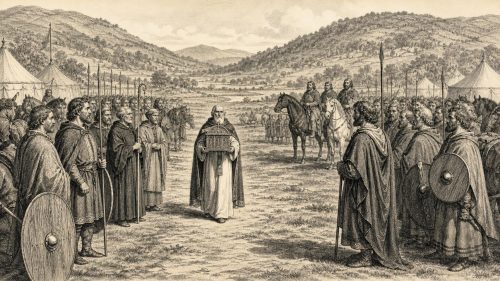
In 1113, Ireland was dominated by rivalry between Muirchertach Ua Briain of Munster and Domnall Ua Lochlainn of Ailech, whose coalitions threatened conflict. Domnall expelled Donnchad Ua hEochada and partitioned Ulaid, while Muirchertach mobilised Leinster and Connacht forces in response. On two occasions Cellach, successor of Patrick at Armagh, prevented battle, ultimately securing a year’s truce with the sacred Bachall Ísu. The events demonstrated Armagh’s ecclesiastical authority amid church reform. Local dynastic killings, cattle mortality, pilgrimage deaths on Croagh Patrick, and shrine-work at Clonmacnoise also reveal instability, devotion, economic vulnerability, and patronage. Neither overking prevailed before Muirchertach’s illness in 1114.
Read Article

Archived: 26 September 2026
Abstract
In 1107 Ireland remained divided between powerful regional kings, notably Muirchertach Ua Briain of Munster and Dublin and Domnall Ua Lochlainn in the north. Cellach of Armagh negotiated a year's truce between them, demonstrating growing clerical influence, although local feuds and killings continued across Ulster, the midlands and Munster. Muirchertach imprisoned and released his nephew in Dublin and plundered Mungret. Severe snow, rain, wind and lightning killed people and livestock, ruined crops, and damaged houses and woodland. Lightning burned Kincora and Cashel. Church appointments and reform advanced, while trading towns, scholarship and rural agriculture underpinned society throughout the island alike.
Read Article

Archived: 26 September 2026
Abstract
In 1097, Muirchertach Ua Briain led a southern coalition to Mag Muirtheimne, where Domnall Ua Lochlainn’s northern army confronted it at Fid Conaill. Abbot Domnall of Armagh brokered an uneasy peace, demonstrating ecclesiastical influence without ending royal rivalry. Connacht suffered renewed instability after Tadc Ua Conchobair’s killing and Flaithbertach Ua Flaithbertaig’s contested restoration. Regional rulers died or were killed, while notable churchmen also died. Fire destroyed books and treasures at Monasterboice. Exceptionally abundant nuts fattened swine, lowered prices and supported food supplies. The annals thus depict political conflict, cultural loss, church diplomacy and rural economic abundance across late eleventh-century Ireland.
Read Article

Archived: 26 September 2026
Abstract
1083 saw political change and violence across Ireland, chiefly in the north. Domnall Ua Lochlainn became king of Cenél Eógain, beginning a long career, and reinforced his position through a cattle raid into Conaille Muirtheimhne, rewarding allies from its proceeds. Áed Ua Maíl Shechnaill and several regional rulers, heirs and churchmen died or were killed, revealing fragile dynastic authority. Tairdelbach Ua Briain remained the dominant southern king, although no campaign is securely dated. Ecclesiastical obituaries highlighted churches’ learned and economic roles. Dublin’s connected bishopric contrasted with saint-centred institutions. Rural pastoral obligations coexisted with trading towns. Later annalistic claims require caution.
Read Article

Archived: 26 September 2026
Abstract
In 1078, northern Ireland experienced interconnected but largely local political upheavals. Conchobar Ua Briain, a Munster prince ruling at Telach Óc, was treacherously killed with his wife, weakening Uí Briain influence in Cenél nÉogain. Airgialla's overking Lethlobar Ua Laidcnén also died violently, while conflicts involved Fernmag, Uí Chremthainn, Conaille, Uí Méith and other northern groups. Donn Sléibe Ua hEochada was deposed in Ulaid and sought Tairdelbach Ua Briain's protection. Tairdelbach's wide but limited supremacy rested on alliances, hostages and dependants. Ecclesiastical deaths and evidence of farming, trade and recent scarcity reveal the social foundations beneath dynastic violence and political rivalry.
Read Article

Archived: 26 September 2026
Abstract
In 1062, Ireland remained divided among competing dynasties. In Connacht, Áed Ua Conchobair defeated western rivals but lost his son in retaliatory violence, before Ardgar Mac Lochlainn raided the province for cattle and captives. Killings destabilised successions in Mughdorna, Fernmag and Ulaid. In Munster, campaigns by Diarmait of Leinster and Toirdelbach Ua Briain further undermined Donnchad mac Briain. Deaths of leading Columban and northern churchmen marked ecclesiastical change. Annalistic dating varies, particularly for Connacht events. Warfare damaged households through livestock seizures, captivity, destruction and disrupted farming, while urban trade and church networks linked Ireland to Britain, Alba and maritime worlds.
Read Article

Archived: 26 September 2026
Abstract
In 1039, Ireland remained divided among competing provincial and regional rulers after the collapse of broadly accepted high kingship. Donnchad mac Gilla Pátraic, overking of Leinster and Osraige, led a destructive hosting through Meath to Knowth and Drogheda before dying during or soon after it. His death weakened Osraige’s wider authority and aided conditions for Diarmait mac Máel na mBó’s later ascent. Annals also record killings, blinding and contested lordships across Leinster, the midlands, Ulster and Connacht. Church leaders died, Clonard’s bell tower reportedly collapsed, and a solar eclipse was observed. Rural production, monasteries and Hiberno-Norse trading towns sustained society.
Read Article
Archived: 18 September 2026
Abstract
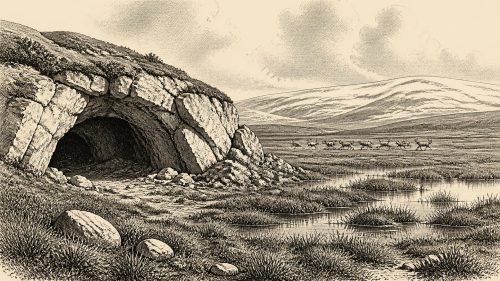
About 31,319 BCE is best understood as a broad Late Pleistocene, MIS 3 reference, not a precisely dated Irish event. Ireland experienced unstable, increasingly cold conditions as the British–Irish Ice Sheet expanded, altering coasts, habitats and access routes. Fragmentary sediments indicate tundra wetlands, while Castlepook Cave preserves remains of mammoth, reindeer, giant deer, predators and Arctic-adapted species, demonstrating intermittent continental fauna. Its deposits span different periods and were disturbed, so they cannot prove contemporaneous communities. A cut-marked reindeer bone may indicate butchery by people, but confirms neither settlement nor continuity. Later glaciation erased much evidence; caves retain the clearest record.
Read Article




