Archived: 18 October 2026
Abstract
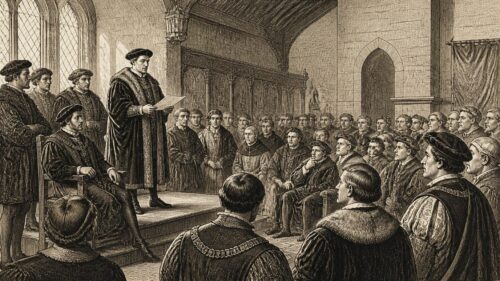
In 1541, Dublin parliament declared Henry VIII king, rejecting papal claims and linking Irish kingship to England’s crown. Sir Anthony St Leger pursued surrender and regrant, granting titles to Edmund Butler and Barnaby Fitzpatrick, securing pardons and agreements and seeking allegiance from Gaelic and Anglo-Irish rulers. Crown authority nevertheless remained concentrated around the Pale. An autumn Ulster campaign brought Conn Bacach O’Neill’s submission, while Manus O’Donnell sought recognition. Dissolution of religious houses transferred property, affecting communities and economies. Proclamations and safe conducts reveal governance. The act created a legal kingdom, but control still depended on negotiation, force and local power.
Read Article
Archived: 23 October 2026
Abstract
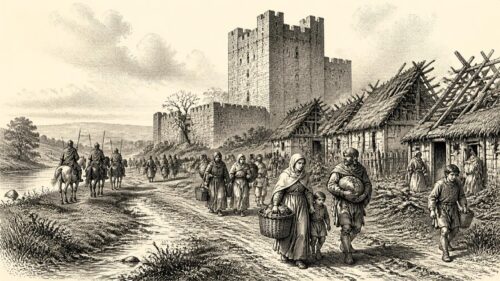
In 1347, Ireland comprised competing lordships, dynasties, church jurisdictions and towns. At Christmas, Domhnall Ó Ceinnéidigh led forces reportedly drawn from several provinces in a devastating assault on Nenagh and Ormond, sparing Nenagh Castle but exposing Butler authority while young Earl James Butler served in France. Annals also record killings, captures and successions across Connacht, Breifne, Ulster, Annaly and the south-east, revealing warfare affecting cultivation. Churches remained active through building, patronage and papal links. Learned figures were commemorated. Although plague spread in Europe, surviving Irish records place its arrival in 1348, making 1347 a year of political crisis before pandemic.
Read Article

Archived: 25 October 2026
Abstract
In 1268, Áed Ó Conchobair of Connacht defeated an army termed the Galls of Ireland at the Faes after answering a challenge at Athlone, strengthening Gaelic resistance to lordship expansion. The year also brought severe famine across Ireland, compounding warfare and pressures. In Thomond, King Conchobar Ó Briain, his family and followers were killed amid dynastic conflict, followed by reprisals and mutilation. Other rulers died or were killed in struggles. Ecclesiastical succession continued at Armagh, Clogher and Annadown, while the death of poet-host Aengus Ó Dálaigh reflected cultural life. Sea travel, northern captivity and escape show a fragmented, connected society.
Read Article

