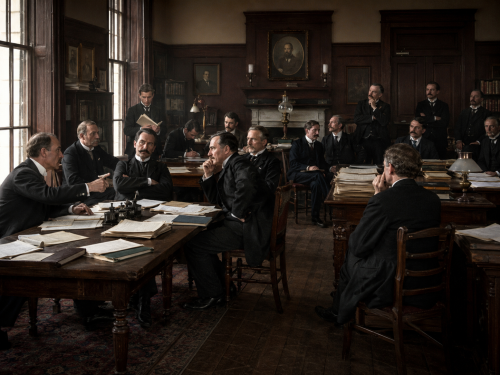
political rivalry

Factional Legacy

The legacy of the Parnell split continued to govern personal relationships within Irish nationalism nearly a decade after the parliamentary rupture of December 1890. Charles Stewart Parnell’s refusal to surrender the party leadership during the O’Shea divorce crisis divided former colleagues into Parnellite and anti-Parnellite camps. Political argument became inseparable from accusations of loyalty, betrayal, clerical interference and personal ambition. Parnell’s death in October 1891 removed the leader around whom the conflict had formed, but it did not reconcile the men who had defended or rejected him. Those memories endured within parliamentary factions, newspapers, constituencies and private correspondence.

Factional Shadows

The legacy of the Parnell split continued to shape personal rivalries within Irish nationalism nearly a decade after the parliamentary rupture of December 1890. Charles Stewart Parnell’s refusal to surrender the party leadership during the crisis created by the O’Shea divorce case divided former colleagues into Parnellite and anti-Parnellite camps. Political disagreement quickly became entangled with questions of loyalty, honour and betrayal. Parnell’s death in October 1891 removed the central figure but did not settle the quarrel. Memories of who had defended him, abandoned him or challenged his authority remained powerful within parliamentary groups, newspapers, constituency organisations and personal relationships.