
Fisheries Alarm(c.1890s)
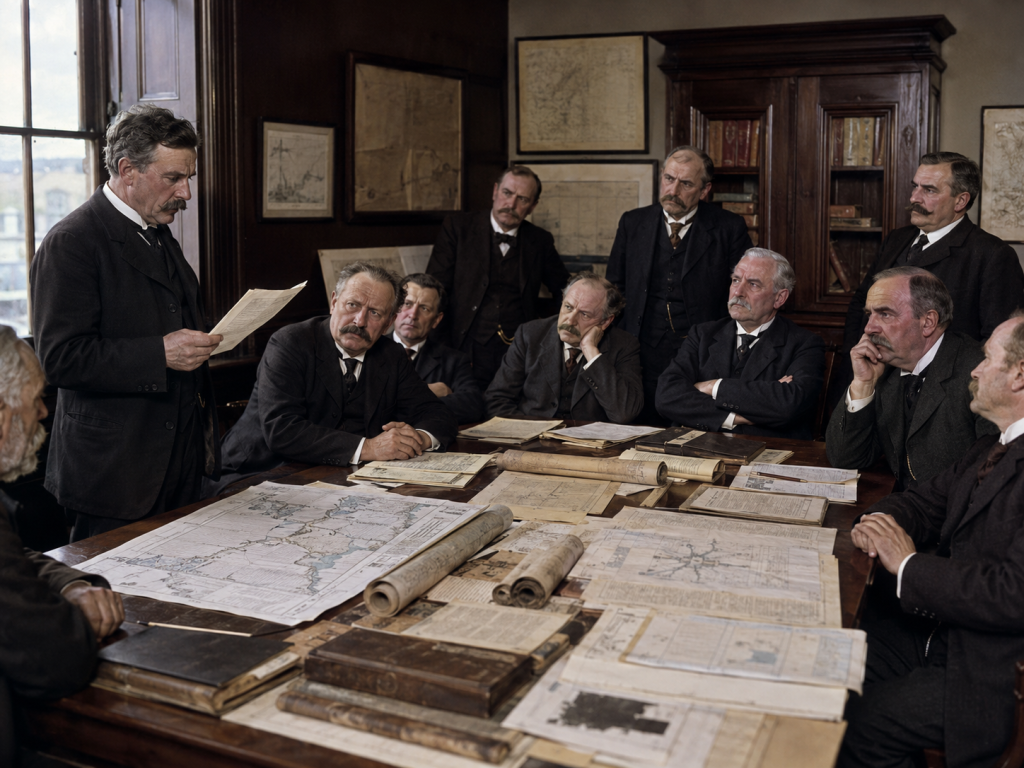
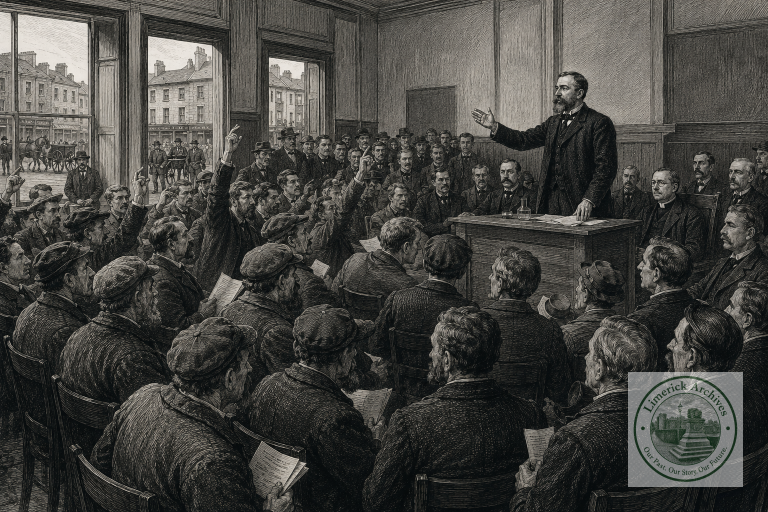
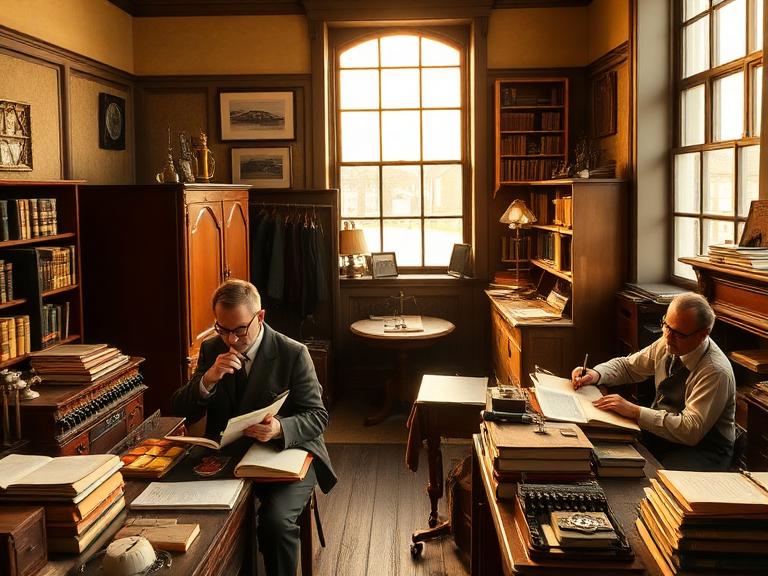
The Limerick Fishery Conservators intensified their opposition to the Shannon Water and Electric Power Bill when the Board of Public Works failed to provide the clear assurance they sought. At the board’s monthly meeting, Secretary Mr Hosford read a reply stating that the Commissioners would take whatever steps were necessary to protect their responsibilities for Shannon navigation, drainage, revenue and property. Members considered the answer carefully worded but inadequate. It did not state whether the Board would oppose the proposed lowering of Lough Derg or whether the fisheries would receive protection independent of the navigation interests under its direct control.
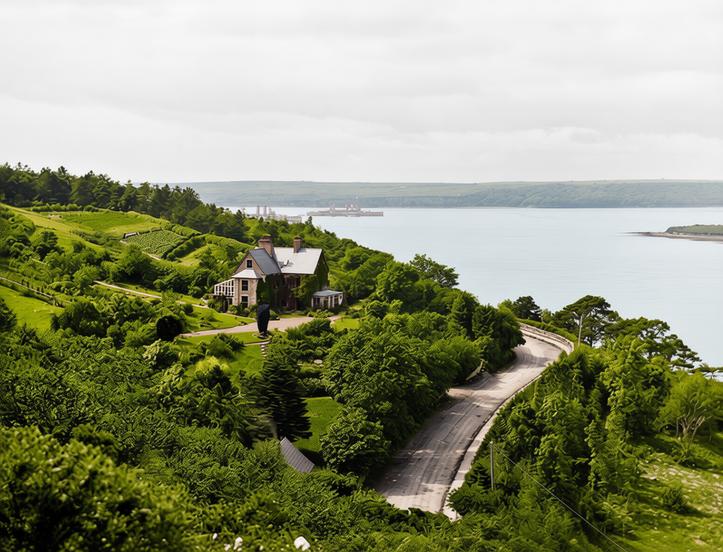
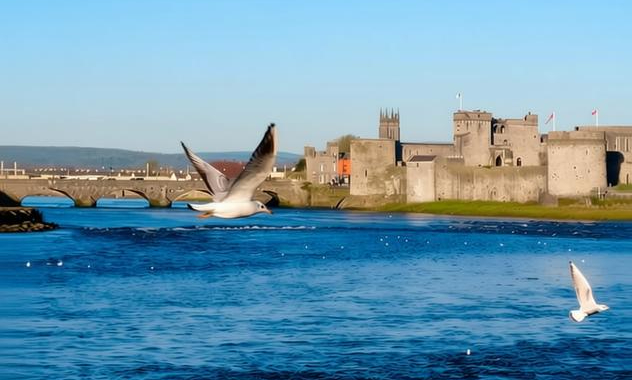
The proposed company sought parliamentary authority to divert Shannon water through power canals and generate electricity near Limerick. Fishery representatives feared that the works might lower the summer level of Lough Derg by several feet and reduce the volume flowing through the natural river channel. Members argued that such a change could leave spawning beds exposed, prevent salmon entering tributaries and damage netting interests farther downstream. Their concern extended beyond the commercial value of catches. The Shannon’s tributaries formed the breeding system upon which future stocks depended, making water levels during migration and spawning seasons central to the survival of the fishery.
Discussion focused upon the possibility that the lake might be lowered by seven feet. Members stated that this would bring the water below the established summer level and approximately six inches beneath the sill of Victoria Lock above Portumna. They believed the consequences would reach navigation as well as fisheries, leaving shallow harbours difficult to use and disrupting movement across Lough Derg. The Conservators insisted that the Board of Works should say plainly whether it would permit any lowering of the lake. A promise to defend its own statutory interests did not answer whether spawning grounds and private fishing rights would be protected.
The chairman reminded the meeting of an earlier inquiry, held around 1890, into another proposal affecting Shannon water levels. The fishery inspectors had then warned that lowering the lakes would injure fisheries by making it difficult for salmon to enter tributaries, many of which served as principal spawning rivers and feeders of the Shannon. Members resolved that this finding should be sent to the Board of Works with a renewed request for clarification. Their campaign joined scientific observation, commercial interest and local experience, placing the possible destruction of breeding grounds at the centre of Limerick’s opposition to the power scheme.
The dispute revealed the divided responsibilities governing the Shannon at the beginning of the twentieth century. The Board of Works controlled navigation and drainage, while fishery conservators represented those responsible for protecting salmon stocks and fishing rights. A hydroelectric proposal affected both jurisdictions without ensuring that either body could safeguard the entire river system. By demanding a definite response, the Limerick Conservators sought to prevent uncertainty from becoming approval by default. Their action also asserted that industrial development should not proceed until promoters demonstrated that Lough Derg, the tributary spawning grounds and the livelihoods dependent upon the Shannon would remain secure.
Primary Sources
- Irish Times, “Limerick Fishery Conservators: The Shannon Water and Electric Power Bill,” 5 January 1900, p. 3.
- Limerick Fishery Board of Conservators Collection, IE LA P48, Emerald Archives.
- Commissioners of Public Works to Mr Hosford, Secretary of the Limerick Fishery Conservators, reply concerning the Shannon Water and Electric Power Bill of 1900, reproduced in the Irish Times, 5 January 1900, p. 3.
- Report of the Inspectors of Irish Fisheries to the Lord Lieutenant concerning an earlier proposal to lower the Shannon lakes, circa 1890, extract reproduced during the Conservators’ meeting and reported in the Irish Times, 5 January 1900, p. 3.