5 January 1900

Labour Sanctioned

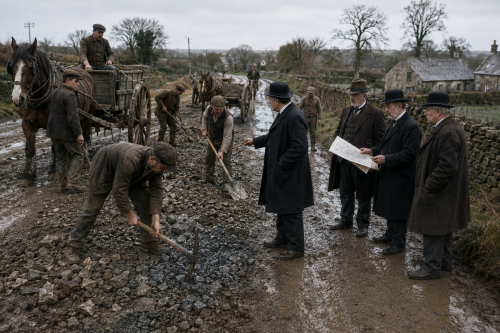
The Local Government Board approved Limerick County Council’s decision to undertake certain road works by direct labour where contractors had failed to tender. The ruling, reported on 5 January 1900, allowed the Council to place such roads under the County Surveyor and employ labourers without relying upon the customary contracting system. Approval did not introduce direct labour across every county road. It applied to works for which satisfactory private tenders had not been received, giving the newly established local authority a practical means of maintaining routes that might otherwise remain neglected.

Takeover Opposed

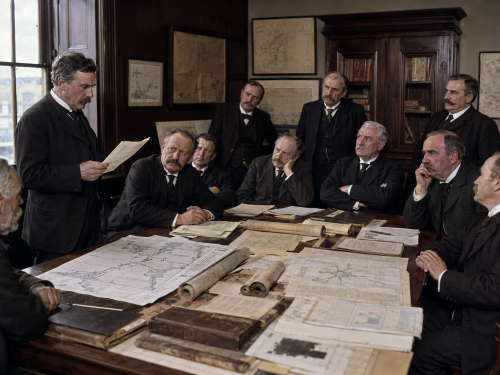
Limerick Corporation unanimously authorised formal opposition to the proposed sale of the Waterford, Limerick and Western Railway to the Great Southern and Western Railway. At a special meeting reported on 5 January 1900, William L. Stokes, JP, moved that the Corporation’s solicitor be empowered to resist the scheme and take every necessary step on the city’s behalf. Councillor O’Brien seconded the motion. Several interested citizens attended beyond the council barrier, reflecting the strength of public concern surrounding the renewed amalgamation bill. The resolution was carried unanimously and received applause from those observing the proceedings.

Roads Conflict

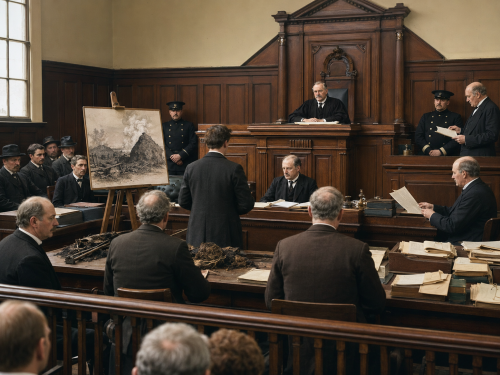
Judge Richard Adams awarded £105 compensation at Limerick County Crown Court for hay maliciously burned at Templebredin on the night of 6 December 1899. The claimant, T. M. English, had sought £116 for the destroyed property and argued that hostility arose from his position during a dispute over the maintenance of public roads. Evidence presented to the court connected the burning with an increasingly bitter campaign for the direct employment of labourers by the newly established local authorities. The case brought a rural employment controversy from council meetings into the formal machinery of criminal injury compensation.