
Electric Lighting(c.1900s)
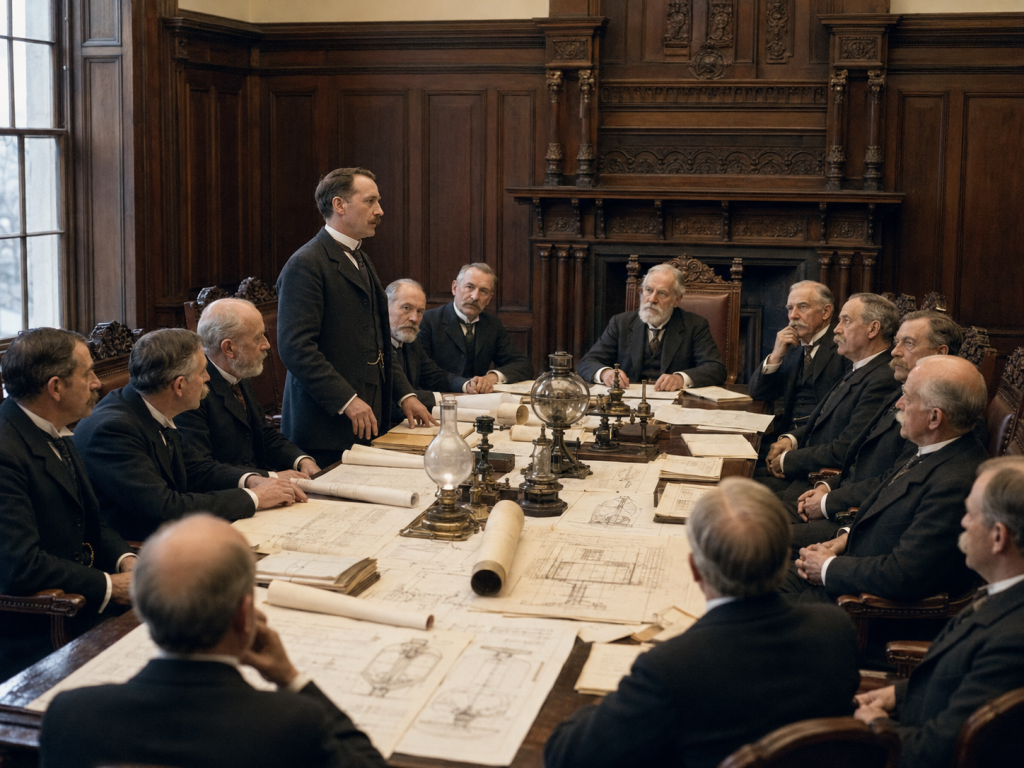
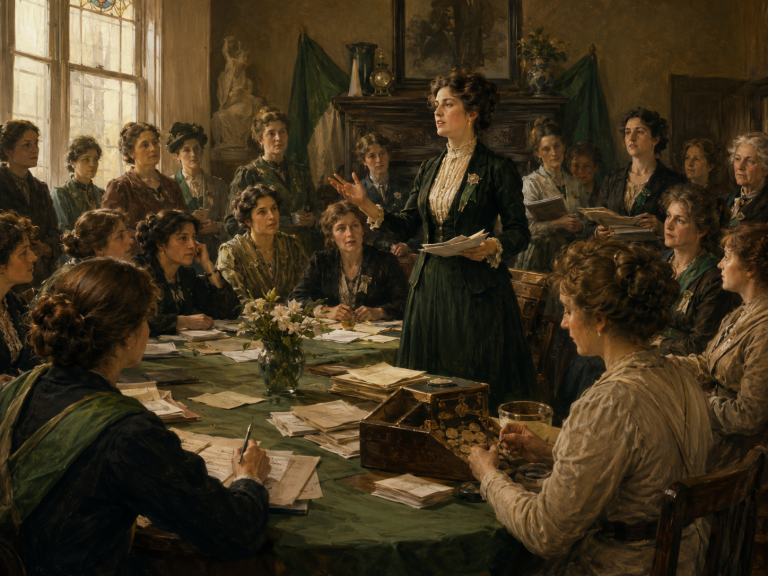
Limerick Corporation voted by twenty-four members to four to adopt J. Enright’s proposal for lighting the city by electricity. The decision, reported on 12 January 1900, authorised a scheme designed to provide an installation meeting the technical requirements administered by the Board of Trade. Enright was described as being from London, suggesting that the Corporation had sought outside expertise for a modern undertaking of considerable engineering and financial importance. The decisive majority indicated that most councillors accepted electric lighting as a necessary civic improvement, despite continuing disagreement over how power should be produced and supplied.
The vote did not amount to approval of the separate Shannon Water and Electric Power Company scheme. Limerick’s engineer had advised against accepting that proposal without firm guarantees that the works would not interfere with the municipal water supply at Clareville. John Mackey, the company secretary, and Mr Fraser, its engineer, asked the Corporation to postpone a final decision until Fraser could explain the proposed undertaking and answer objections. Councillors agreed to defer consideration. Their response allowed the company another hearing while preserving the city’s freedom to resist any arrangement considered dangerous to its waterworks or other public interests.
Electric lighting promised changes extending far beyond the replacement of individual street lamps. Reliable illumination could improve movement after dark, assist policing, lengthen commercial activity and reduce dependence upon older lighting arrangements. Shops, workshops, public buildings and prosperous households might eventually draw power from the same developing network. Yet the undertaking required generating equipment, cables, lamps, maintenance and legal compliance, all of which would create substantial costs for ratepayers. The Corporation’s support for Enright’s plan therefore represented a decision to invest in civic infrastructure while accepting responsibility for supervising a technically complex service.
The debate was inseparable from Limerick’s dependence upon the Shannon. Promoters of the water-power company argued that the river could provide electricity and encourage industrial growth, but fishery owners, navigational interests, millers and municipal officials feared that alterations to the river might lower Lough Derg, damage spawning grounds and affect the city’s water supply. By approving Enright’s lighting scheme while postponing the Shannon proposal, the Corporation appears to have distinguished the immediate desire for electric light from the disputed means of generating it. Modernisation was welcomed, but not at any cost to existing public services and river users.
The vote marked an important stage in Limerick’s gradual transition towards a municipally supervised electricity service. Adoption of the scheme did not mean that every street and building would be illuminated immediately; detailed planning, finance, construction and official authorisation still had to follow. It nevertheless gave the project clear political support and established that the city intended to participate in the electrical transformation already under way elsewhere. The four dissenting votes showed that caution remained, but the large majority placed Limerick Corporation behind a technology expected to reshape commerce, public administration and everyday urban life.
Primary Sources
- Irish Times, “Limerick Corporation,” 12 January 1900, p. 6.
- Limerick Corporation Council minutes, January 1900, Limerick Corporation Collection, Limerick Archives.
- Electric Lighting Act 1882, 45 & 46 Vict., c. 56.
- Electric Lighting Act 1888, 51 & 52 Vict., c. 12.
- Limerick Corporation Electrical Undertaking Collection, L/EL, Limerick Archives.
- Limerick Corporation Town Clerk’s Office letter books and rough minute books, 1899–1900, Limerick Corporation Collection, Limerick Archives.