Law Repeal Debate
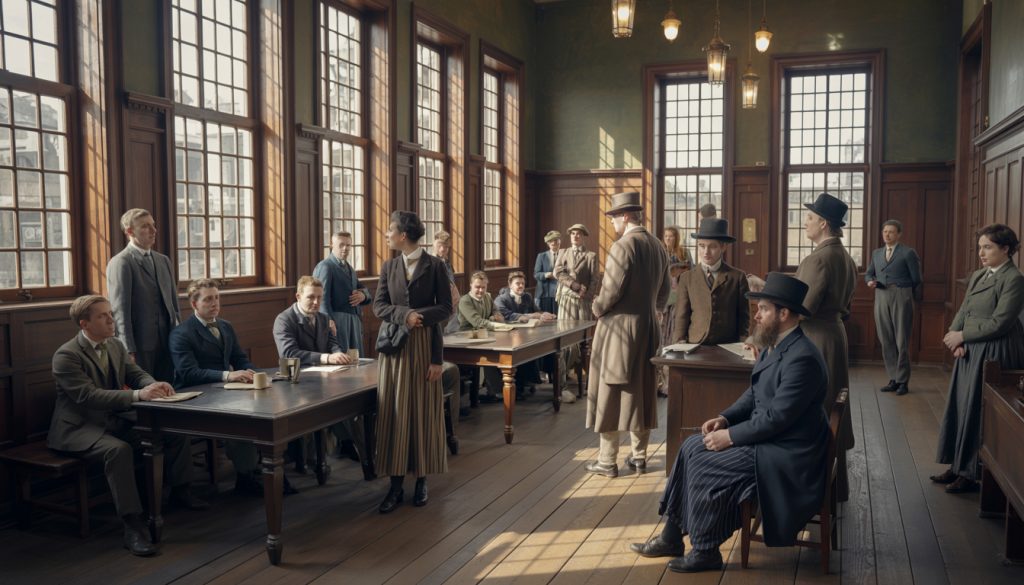
On 2 February 1900, the introduction of a bill to repeal the Criminal Law and Procedure (Ireland) Act 1887 was formally announced in the British Parliament, an event of considerable significance for Limerick’s legal and political circles. The 1887 Act, associated with emergency powers and summary prosecutions during periods of agrarian unrest and political agitation, had remained controversial for its perceived restriction of civil liberties and its impact on Irish society. News of the repeal bill was quickly reported in Limerick’s newspapers, prompting debate among lawyers, civic leaders, and activists about the implications for justice and governance.
Parliamentary debate on the repeal bill centred on the legacy of the 1887 Act, with advocates arguing that its extraordinary powers were no longer justified in peacetime and had contributed to mistrust between communities and authorities. Critics of the Act highlighted its use in suppressing political dissent and its role in facilitating convictions without full judicial safeguards. The Chief Secretary for Ireland outlined the rationale for repeal, emphasising the restoration of normal legal protections and the importance of aligning Irish criminal procedure with broader British standards.
In Limerick, the proposed repeal was welcomed by many, including political organisations, civil rights advocates, and members of the legal profession. Public meetings and letters to the press reflected a hope that repeal would signal a new era of justice and reconciliation, helping to heal divisions left by decades of coercive legislation. Some local magistrates and police officials raised concerns about maintaining public order and ensuring effective prosecution of crime, but the prevailing sentiment was in favour of greater judicial fairness and procedural transparency.
The bill’s introduction also reignited debate about the balance between security and liberty in Irish administration. Limerick’s experience during periods of unrest and protest, especially in the late nineteenth century, made the issue particularly resonant. Community leaders argued that repeal would restore trust and encourage more constructive relations between authorities and the public.
The Criminal Law and Procedure (Ireland) Act 1887 Repeal Bill marked a significant moment in the evolution of Irish law. In Limerick, it was seen as an opportunity to reaffirm principles of justice, due process, and civil rights. The bill’s progress would be closely followed as stakeholders considered its potential to shape the city’s legal culture and the wider Irish political landscape.
- UK Parliament, Hansard, HC Deb 2 February 1900, vol 78, cc1238-9, “Criminal Law and Procedure (Ireland) Act 1887 Repeal Bill.”
- Freeman’s Journal (Dublin), 3 February 1900, coverage of the repeal bill and debate on Irish criminal law.
- Irish Times, 3 February 1900, report on parliamentary proceedings and public views regarding repeal.
- Limerick Leader, February 1900, editorials and legal commentary on the repeal bill’s local impact.