Suffrage Expansion
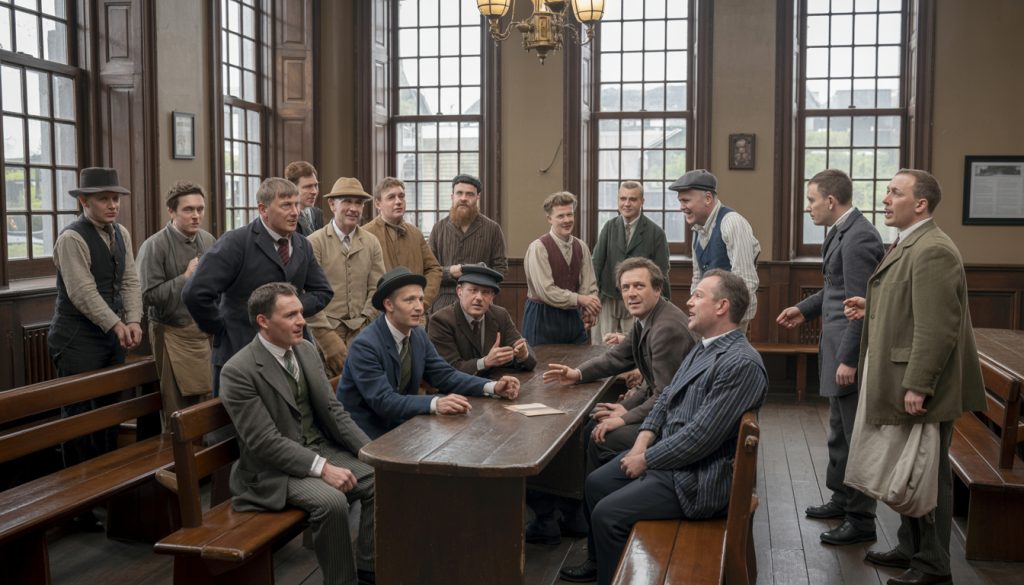
On 2 February 1900, the Manhood Suffrage (Ireland) Bill was formally introduced in the British Parliament, proposing a sweeping expansion of the Irish parliamentary electorate. The bill sought to grant the vote to all adult men, removing property and residency qualifications that had long limited participation in national elections. News of the bill’s introduction quickly reached Limerick, sparking lively discussion among political organisations, civic leaders, and working-class communities eager to see their voices represented in Parliament.
Parliamentary debate centred on the democratic principle of universal manhood suffrage, with advocates arguing it would strengthen Ireland’s claim to equal treatment within the United Kingdom and provide a more accurate reflection of public opinion. Supporters highlighted the injustices suffered by labourers, artisans, and small traders excluded from the franchise, and emphasised the potential for greater civic engagement and political reform. Opponents, meanwhile, raised concerns about the effects on social stability and the political influence of newly enfranchised voters.
In Limerick, the bill was welcomed by many, especially among trade unions, nationalist groups, and tenant associations. Public meetings and letters to local newspapers reflected enthusiasm for reform and debate about the implications for party politics and representation. Some community leaders called for further measures, such as the inclusion of women in the electorate, while others focused on the immediate benefits for working men and their families. Local politicians and councillors discussed how expanded suffrage might affect upcoming elections and the balance of power in both city and county.
The bill also prompted questions about voter education, registration procedures, and the capacity of polling stations to manage a larger electorate. Civic societies and teachers in Limerick began organising information sessions to prepare men who might soon qualify for the vote, emphasising the responsibilities that came with political participation.
The introduction of the Manhood Suffrage (Ireland) Bill marked a significant step in Ireland’s journey toward fuller democracy. For Limerick, it represented an opportunity to broaden civic involvement and shape the future of local and national politics. The progress of the bill was closely watched, as its outcome promised to transform the political landscape and empower thousands of new voters in the city and beyond.
- UK Parliament, Hansard, HC Deb 2 February 1900, vol 78, cc1239-40, “Manhood Suffrage (Ireland) Bill.”
- Freeman’s Journal (Dublin), 3 February 1900, coverage of the bill’s introduction and suffrage debate.
- Irish Times, 3 February 1900, report on parliamentary proceedings and public reaction to suffrage expansion.
- Limerick Leader, February 1900, local commentary and public meetings regarding the Manhood Suffrage Bill.