James Stephens, Fenian
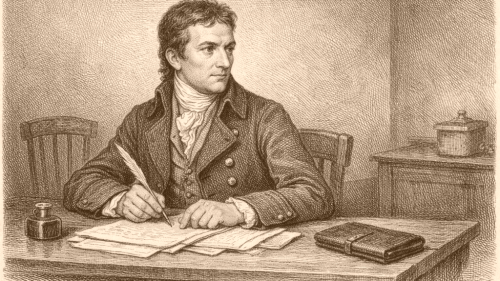
James Stephens was born in Kilkenny about 1828, according to one archival description. That same source says he was present at the Rising in Ballingarry, where he was slightly wounded, and that he escaped to France afterwards, meeting John O’Mahony there. It also identifies Stephens as the founder of the Irish Republican Brotherhood, which was founded in Dublin on St Patrick’s Day 1858. The University of Galway archival description similarly says that Stephens returned to Ireland, secured employment as a teacher of French and Italian, and kept up correspondence with nationalists in the United States.
Dateline
James Stephens was born in Kilkenny about 1828, according to one archival description. That same source says he was present at the Rising in Ballingarry, where he was slightly wounded, and that he escaped to France afterwards, meeting John O’Mahony there.
Paris Years
It also identifies Stephens as the founder of the Irish Republican Brotherhood, which was founded in Dublin on St Patrick’s Day 1858. The University of Galway archival description similarly says that Stephens returned to Ireland, secured employment as a teacher of French and Italian, and kept up correspondence with nationalists in the United States.
Brotherhood Work
The same Galway source says Stephens founded the movement in Dublin on 17 March 1858. It adds that he travelled through Ireland enlisting young men in the cause of national independence, and later visited the United States, where he placed the Fenian organisation on a proper basis with the home organisation.
Fenian Direction
A letter preserved by the University of Galway, dated 24 June 1865, is described as Stephens writing from Dublin to the Fenian Brotherhood Central Council. In that letter, he defended the state of the Fenian organisation in Ireland and argued that increasing police surveillance made large meetings and communications increasingly hazardous. He also condemned Captain Thomas J. Kelly’s inquiry into readiness for insurrection, warning that failure would undermine confidence in both the movement and its leaders.
The same archival description says Stephens urged the American leadership to send money immediately, to secure depots in Paris, and to use agents in Birmingham and other English manufacturing centres to buy arms and military equipment. It records his estimate that about £300,000 would equip and arm 100,000 men, including artillery, and says he believed prompt fundraising and purchasing could place material for a large-scale rising in Ireland by October 1865.
Written Record
Primary Sources
Source References
Hover over a number to see the source. Select it to open the source.