Liam Lynch
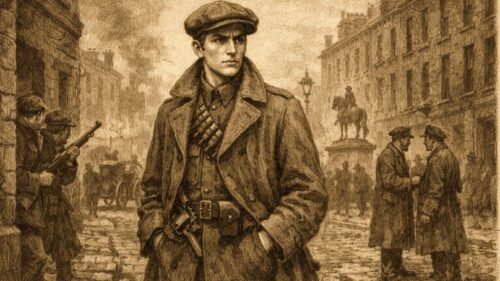
Liam Lynch was born in 1892 in Anglesboro, County Limerick. The National Museum of Ireland describes him as a well-respected IRA leader during the War of Independence, and he was later one of the most important opponents of the Treaty. In January 1919, he was appointed Commandant of the newly formed Cork No. 2 Brigade. During the war he worked closely with Richard Mulcahy and Michael Collins. In April 1921, he became Commandant of the First Southern Division. These appointments placed him in senior military positions during the revolutionary period. As the Civil War approached, Lynch did his utmost to avoid the conflict.
Dateline
Liam Lynch was born in 1892 in Anglesboro, County Limerick. The National Museum of Ireland describes him as a well-respected IRA leader during the War of Independence, and he was later one of the most important opponents of the Treaty.
War Leadership
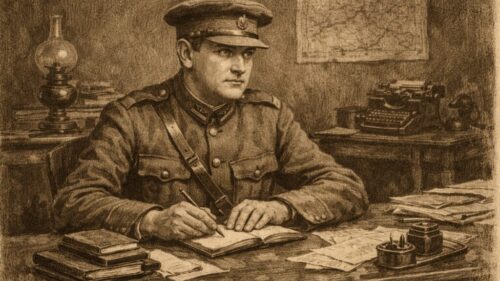
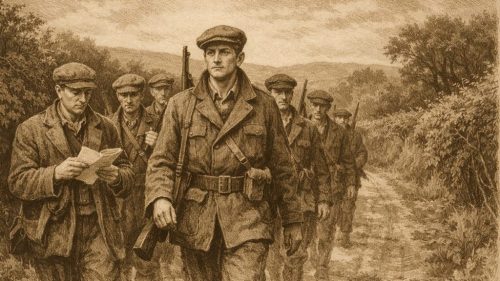
In January 1919, he was appointed Commandant of the newly formed Cork No. 2 Brigade. During the war he worked closely with Richard Mulcahy and Michael Collins. In April 1921, he became Commandant of the First Southern Division. These appointments placed him in senior military positions during the revolutionary period.
Treaty Opposition
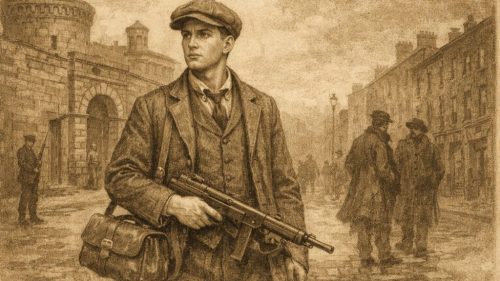
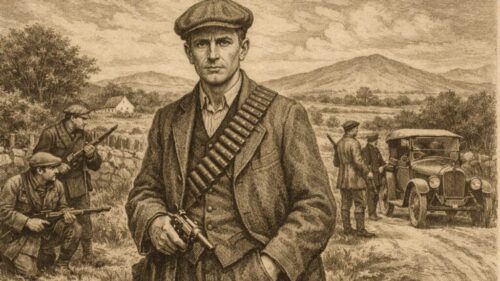
As the Civil War approached, Lynch did his utmost to avoid the conflict. When it came, he accepted the post of Chief of Staff of the anti-Treaty IRA. An RTÉ history article describes him as the military commander of the anti-Treaty forces, and says that his death in April 1923 was the beginning of the end of the Civil War.
Final Days
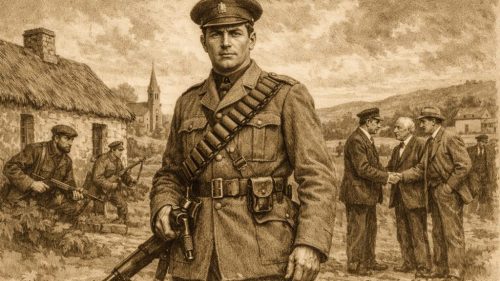
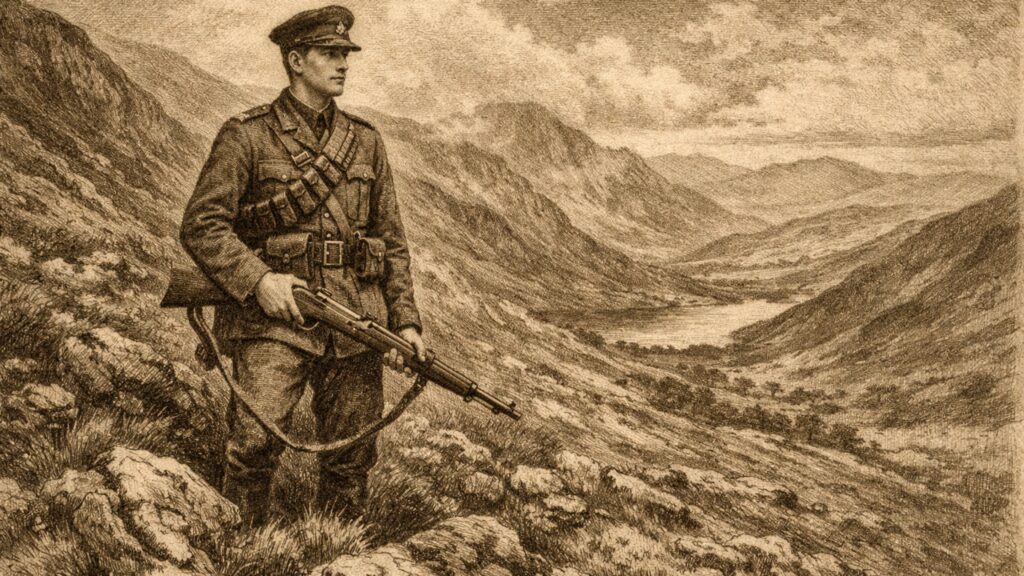
On the night of 9 April 1923, from a safehouse at the base of the Knockmealdown Mountains, he wrote a dispatch to ‘Pa’ Murray. In it he said, ‘I’m confident if we stand united, victory is certain.’ On 10 April 1923, he was shot at long range by Free State soldiers in the Knockmealdown Mountains. After being hit, he told his comrades to save themselves and leave him. He died later that day after receiving medical attention.
Source References
Hover over a number to see the source. Select it to open the source.