Napper Tandy
Early Life James Napper Tandy was born in Dublin in 1740. He was engaged in business, and from an early period took part in popular movements in the Irish capital. Dublin Action In 1780 he was expelled from the Dublin Volunteer Artillery for the expression of extreme opinions. Two years afterwards he was imprisoned by an order of the House of Commons for breach of privilege, after sending a challenge to Mr Toler, the Solicitor-General. He also headed a mob that endeavoured to destroy the works connected with the new Custom House in Dublin.
Dateline
Early Life
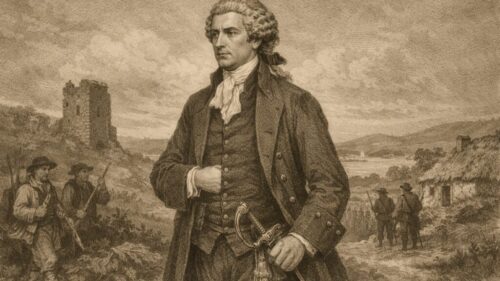
James Napper Tandy was born in Dublin in 1740. He was engaged in business, and from an early period took part in popular movements in the Irish capital.
Dublin Action
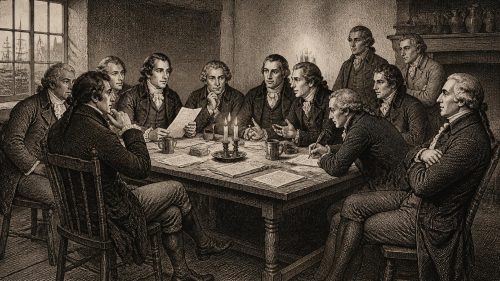
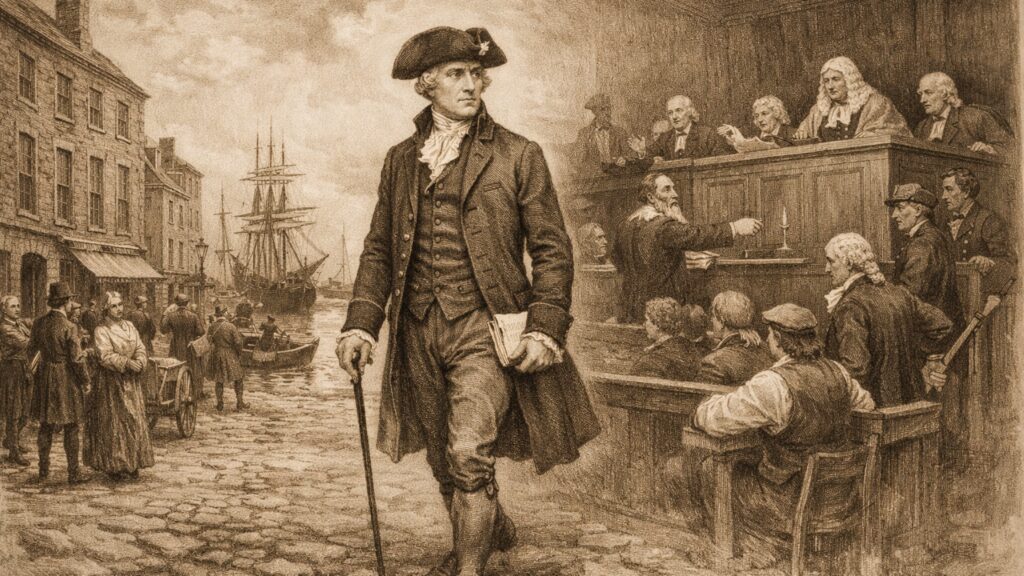
In 1780 he was expelled from the Dublin Volunteer Artillery for the expression of extreme opinions. Two years afterwards he was imprisoned by an order of the House of Commons for breach of privilege, after sending a challenge to Mr Toler, the Solicitor-General. He also headed a mob that endeavoured to destroy the works connected with the new Custom House in Dublin. In the spring of 1793 proceedings were instituted against him for distributing a pamphlet entitled Common Sense, and a bill was found against him for communicating with the Defenders in County Louth.
Flight Abroad
He then fled to America and established himself at Wilmington, Delaware. In 1798 he went to France, where he was given the provisional rank of general and entrusted with the command of a small body of Irish refugees. They sailed in the frigate Anacreon and landed on the island of Aran on 16 September, after hearing of Humbert’s defeat at Ballinamuck eight days previously. To avoid British cruisers, the Anacreon sailed north and landed Tandy and his companions in Norway.
Arrest Later
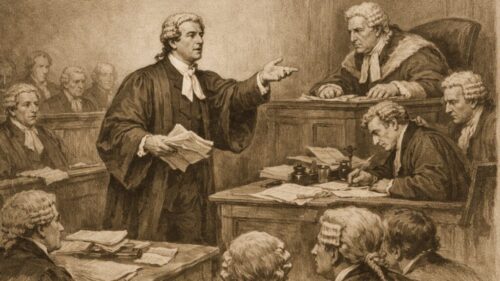
He was detained in prison for some years and ultimately delivered to the British authorities. He was tried in Dublin for complicity in the Insurrection of 1798, but was acquitted on a point of law. He was then arraigned at Lifford on 7 April 1801 for his part in the attempted invasion and the proclamations. He pleaded guilty and was sentenced to death, but his life was spared on condition that he leave the country for ever.
Final Years
He spent the remainder of his days at Bordeaux, where he died in the latter part of 1803, aged 63.
Source References
Hover over a number to see the source. Select it to open the source.