Southwest Iron Age286 CE
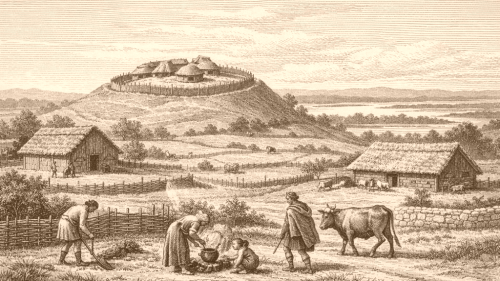
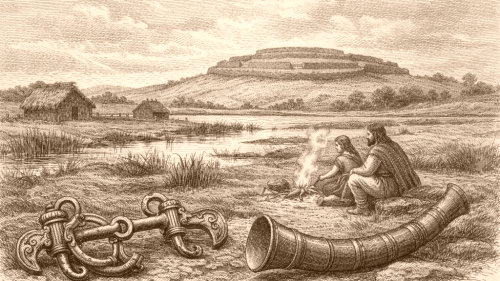
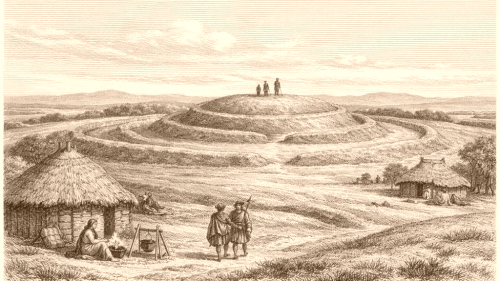
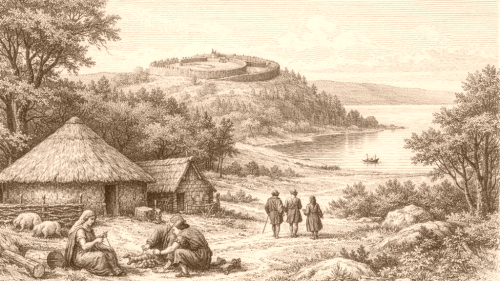
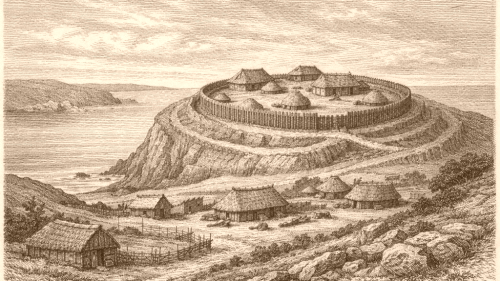
The corrected text places south-west Ireland within the broad Iron Age span used in the evidence, roughly from 500 BC to the fifth century AD, and stresses that this was a long period rather than a single dated event. It describes the region as having sparse monuments and artefacts, a lack of obvious continental La Tène metalwork, and an ongoing research focus on continuity from the Late Bronze Age, settlement and economy, and hillforts such as Cashel.
Dateline
Regional Context
The archive year 286 CE falls within the broad Iron Age span used for south-west Ireland in the evidence. That span runs from around 500 BC to the fifth century AD, so the year sits inside a long period rather than marking a distinct event on its own. The material also notes that this region has a sparse distribution of monuments and artefacts characteristic of the period, and that obvious continental La Tène metalwork is absent there. [1]
Evidence Range
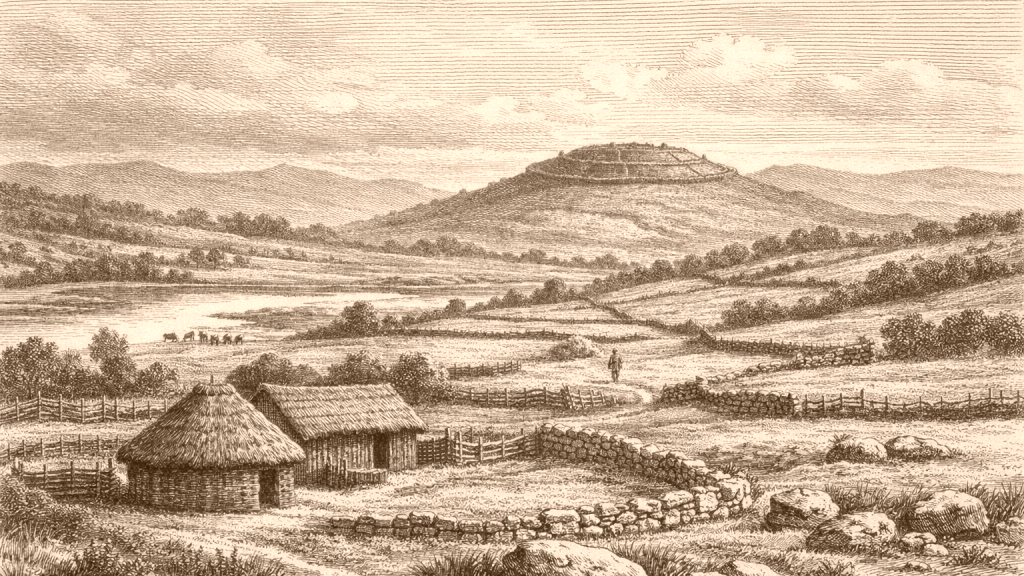
The Iverni Project at University College Cork examines the Bronze Age/Iron Age transition in south-west Ireland. It notes that the Iron Age there is problematic because of the sparse distribution of monuments and artefacts, the absence of significant La Tène material, and questions about the nature of Iron Age settlement. The project focuses on continuity from the Late Bronze Age, direct evidence of settlement and economy, and hillforts in their contemporary cultural landscapes, including Cashel hillfort in mid-Cork. [1]
Source References
Hover over a number to see the source. Select it to open the source.