Independence Demanded
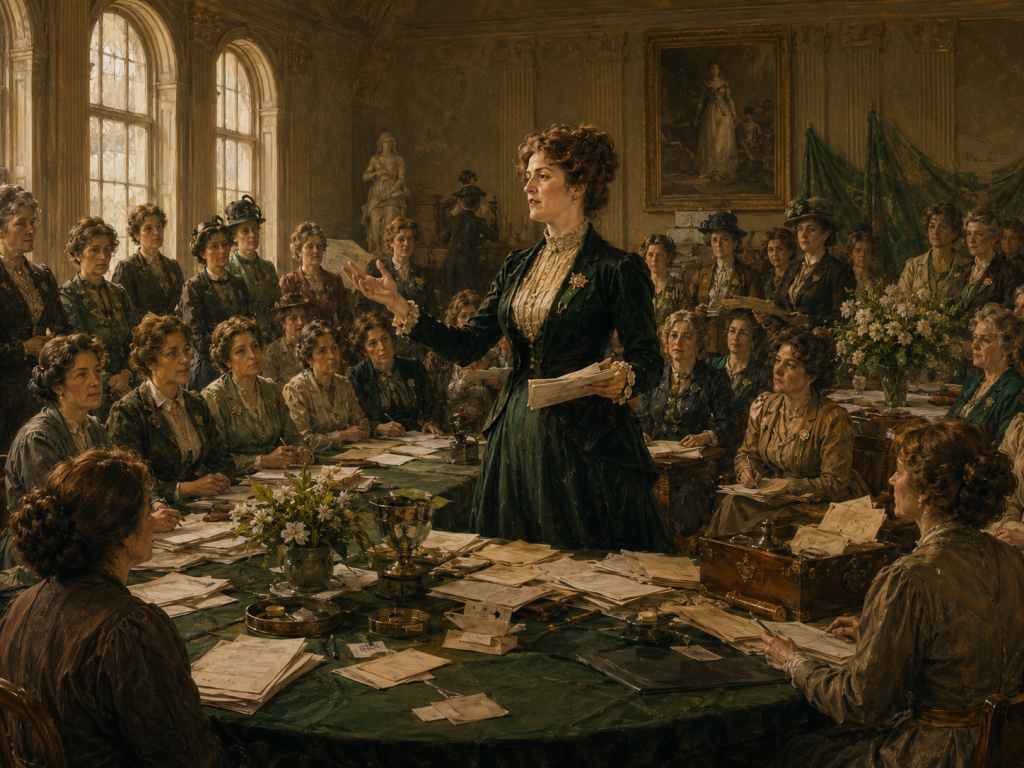
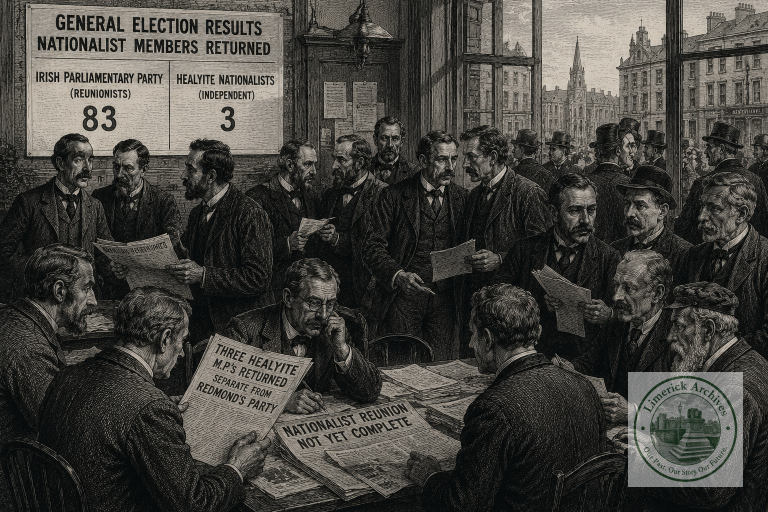
Inghinidhe na hÉireann has declared that the restoration of an Irish legislature under Home Rule would not satisfy its political programme. The women’s organisation established under Maud Gonne’s leadership seeks the complete independence of Ireland rather than limited self-government within the United Kingdom. Its members argue that an Irish parliament remaining subject to Westminster and the Crown would leave the central question of national sovereignty unresolved. The declaration places the Daughters of Ireland firmly within advanced nationalism and separates the new movement from the constitutional programme pursued by John Redmond and the reunited Irish Parliamentary Party.
Home Rule supporters believe an Irish legislature could manage domestic affairs while preserving the connection with Britain. They hope disciplined parliamentary action at Westminster will eventually secure that settlement. Inghinidhe na hÉireann rejects the assumption that British institutions should determine the limits of Irish freedom. Its founding objectives place the re-establishment of complete independence before all other aims. The organisation regards Ireland as a nation entitled to govern itself, control its resources and shape its cultural life without external authority. This uncompromising position will attract separatists while alarming constitutional nationalists who fear that more radical demands may divide the movement.
The Daughters of Ireland connects political independence with cultural and economic self-reliance. Members intend to promote the Irish language, literature, history, music and art, especially among children and young people. They also support Irish manufacture and oppose cultural influences they believe encourage dependence upon Britain. These activities are not treated as decorative additions to political campaigning. The organisation considers national education, cultural confidence and domestic industry essential foundations of freedom. Ireland could not become independent merely through a constitutional document, its members argue, unless Irish people first developed the knowledge, organisation and confidence required to sustain national government.
The organisation’s programme also gives women an autonomous role within separatist politics. Women cannot vote in parliamentary elections and remain excluded from most positions of formal political authority. Inghinidhe na hÉireann nevertheless allows its members to determine policy, arrange public activities, publish arguments, raise funds and educate younger nationalists. The movement therefore challenges the political settlement between Britain and Ireland while also challenging assumptions within nationalism about women’s proper place. Its members do not intend merely to assist male leaders seeking independence. They claim the right to define the nation’s objectives and participate directly in the work required to achieve them.
In Limerick, the distinction between Home Rule and independence will become increasingly important as nationalist organisations compete for public support. Many voters remain loyal to constitutional methods and regard an Irish parliament as an attainable first step. Advanced nationalists answer that partial concessions may weaken the demand for sovereignty and reconcile Ireland permanently to British rule. The Daughters of Ireland has entered that dispute with unusual clarity. Its programme does not seek administrative reform, improved representation or a subordinate legislature. It demands an Ireland exercising complete national authority, and it places organised women among those responsible for bringing that objective into public life.
Primary Sources
- Inghinidhe na hÉireann, early rules, objectives, membership records and annual reports, Maud Gonne MacBride Papers, National Library of Ireland, including MS 49,531/33. Exact folios should be confirmed before formal citation.
- Maud Gonne MacBride, writings concerning the aims and activities of Inghinidhe na hÉireann, Maud Gonne MacBride Papers, National Library of Ireland. Exact manuscript number and folio should be confirmed before formal citation.
- Helena Molony, Bureau of Military History Witness Statement No. 391, recollections concerning Inghinidhe na hÉireann and advanced-nationalist women’s organisation. Exact page should be confirmed before formal citation.
- United Irishman, Dublin, 1900–1901, reports and commentary concerning Inghinidhe na hÉireann, Home Rule and complete Irish independence. Exact issue, page and column should be confirmed before formal citation.
- Margaret Ward, Irish Nationalist Women, 1900–1918, Manchester: Manchester University Press, 1983; consult the chapter concerning the Daughters of Ireland and its separatist programme.