Hidden Discontent
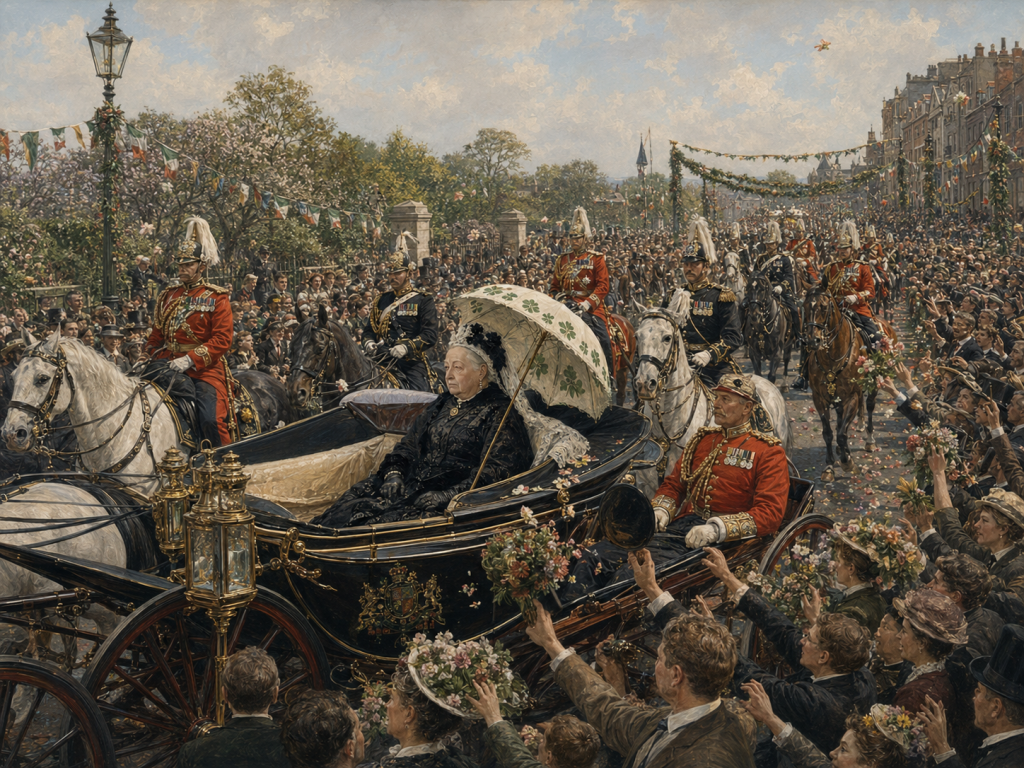
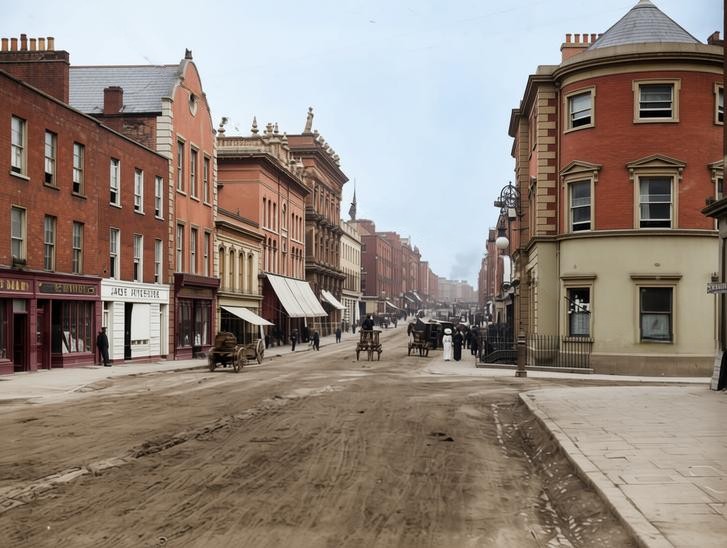
Advanced nationalists have rejected claims that Queen Victoria’s public reception demonstrates widespread Irish loyalty, arguing that the decorations and official ceremonies conceal deep political discontent. Dublin’s principal streets have been covered with garlands, ceremonial arches and symbols of imperial authority, while military escorts, civic addresses and organised celebrations have presented an image of national harmony. Separatist critics insist that this display was created by government departments, loyal institutions and commercial interests rather than by an Ireland content with British rule. In Limerick, their argument will appeal to nationalists who see Home Rule delayed, poverty unresolved and political authority retained at Westminster.
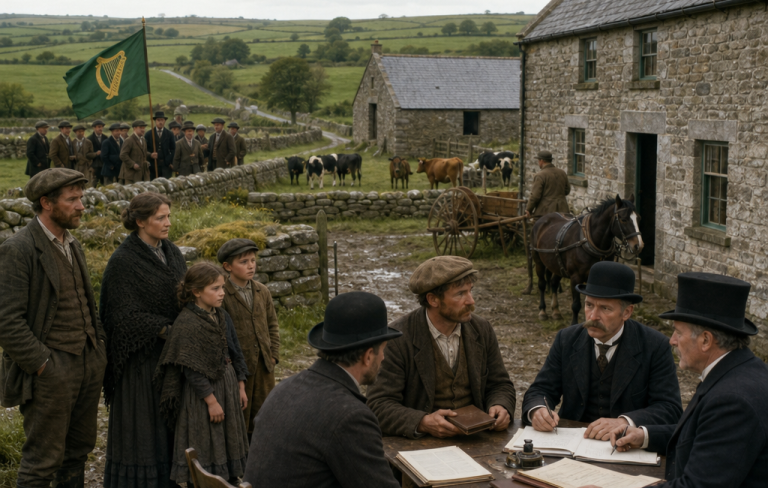
The royal programme has been carefully organised through Dublin Castle, municipal authorities, military commanders and participating institutions. Unionist newspapers interpret the cheering crowds as evidence of genuine affection for the Crown, but advanced nationalists distinguish attendance from allegiance. Spectators may have gathered to witness an elderly monarch, enjoy a public holiday or observe an exceptional procession without endorsing the Union. The presence of large crowds therefore cannot reveal every private conviction. Behind the decorated façades remain households affected by unemployment, insecure housing, rural hardship and emigration, conditions that nationalist critics believe offer a more truthful measure of Ireland’s relationship with British government.
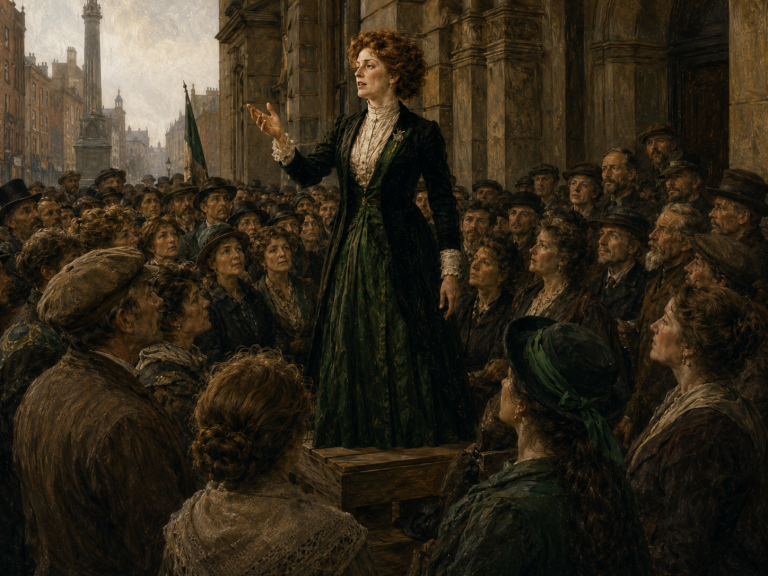
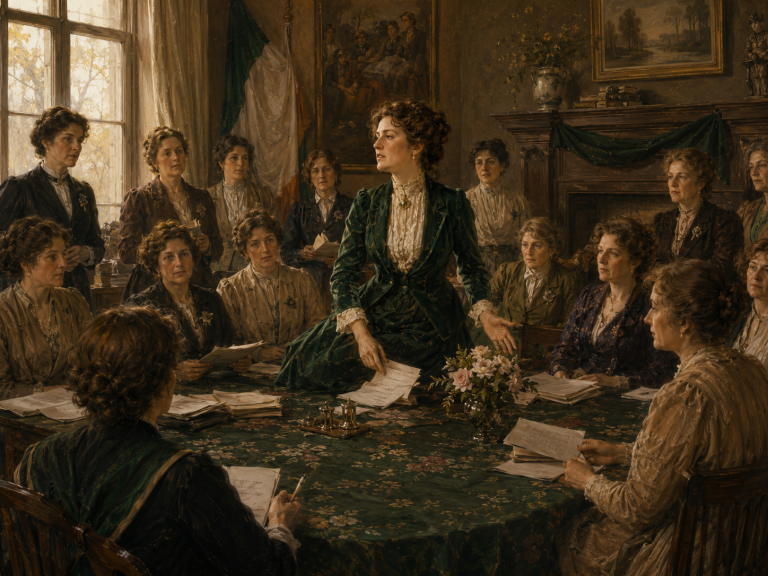
Maud Gonne and other separatist organisers have placed famine memory at the centre of their opposition. Their criticism contrasts royal splendour with the suffering experienced during Victoria’s reign and with the continued departure of Irish people overseas. The South African War has intensified the argument, as advanced nationalists compare Boer resistance with Ireland’s demand for independence and condemn efforts to associate the Queen’s visit with military recruitment. Loyalists regard such comparisons as inflammatory, yet the opposition campaign has prevented the ceremonies from being interpreted as an uncontested national welcome. Every decoration has acquired political meaning because each side claims it represents Ireland differently.
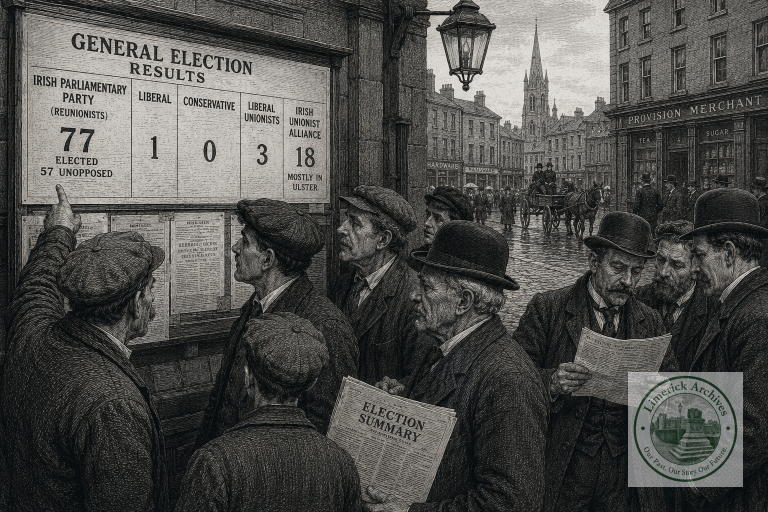
Nationalist newspapers and public meetings have also challenged the authority of loyal addresses presented by corporations and institutions. An address approved by councillors or officials may express the position of a governing body without representing every resident, elector or member. Some nationalist-controlled authorities resisted participation, while dissenting representatives objected to public money being spent upon ceremonial displays. These disputes exposed the difference between official Ireland and popular political opinion. The institutions appearing before the Queen possessed legal and social authority, but advanced nationalists denied that they could speak for a people who repeatedly returned Home Rule representatives and sustained organisations opposed to British administration.
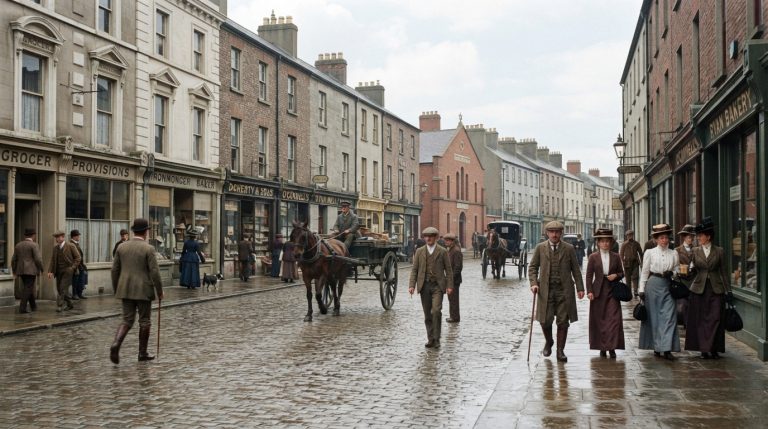
Limerick contains the same tensions beneath its public institutions and political life. Barracks, courts, commercial organisations and government offices connect the city with the Crown, while nationalist clubs, land organisations and electoral majorities express opposition to the constitutional settlement. Some residents may admire the Queen while rejecting Westminster government; others may support the Union without joining public celebrations. Advanced nationalists refuse such ambiguity and insist that official spectacle disguises national subjection. The visit has therefore produced competing pictures of Ireland: one decorated, orderly and loyal, the other politically dissatisfied and demanding freedom. Neither the arches nor the cheering can silence the constitutional argument continuing beneath them.
Primary Sources
- Maud Gonne, “The Famine Queen,” United Irishman, 3 April 1900. Exact page and column should be confirmed before formal citation.
- United Irishman, Dublin, March–April 1900, editorials and reports opposing Queen Victoria’s visit, imperial ceremony and military recruitment. Exact issue, page and column should be confirmed before formal citation.
- Freeman’s Journal, Dublin, April 1900, nationalist reporting and editorial discussion of the royal decorations, public crowds, civic addresses and Home Rule opinion. Exact issue, page and column should be confirmed before formal citation.
- Senia Pašeta, “Nationalist Responses to Two Royal Visits to Ireland, 1900 and 1903,” Irish Historical Studies, vol. 31, no. 124, 1999, pp. 488–504.
- James H. Murphy, Abject Loyalty: Nationalism and Monarchy in Ireland During the Reign of Queen Victoria, Washington, D.C.: Catholic University of America Press, 2001.