
Recruitment Intensifies
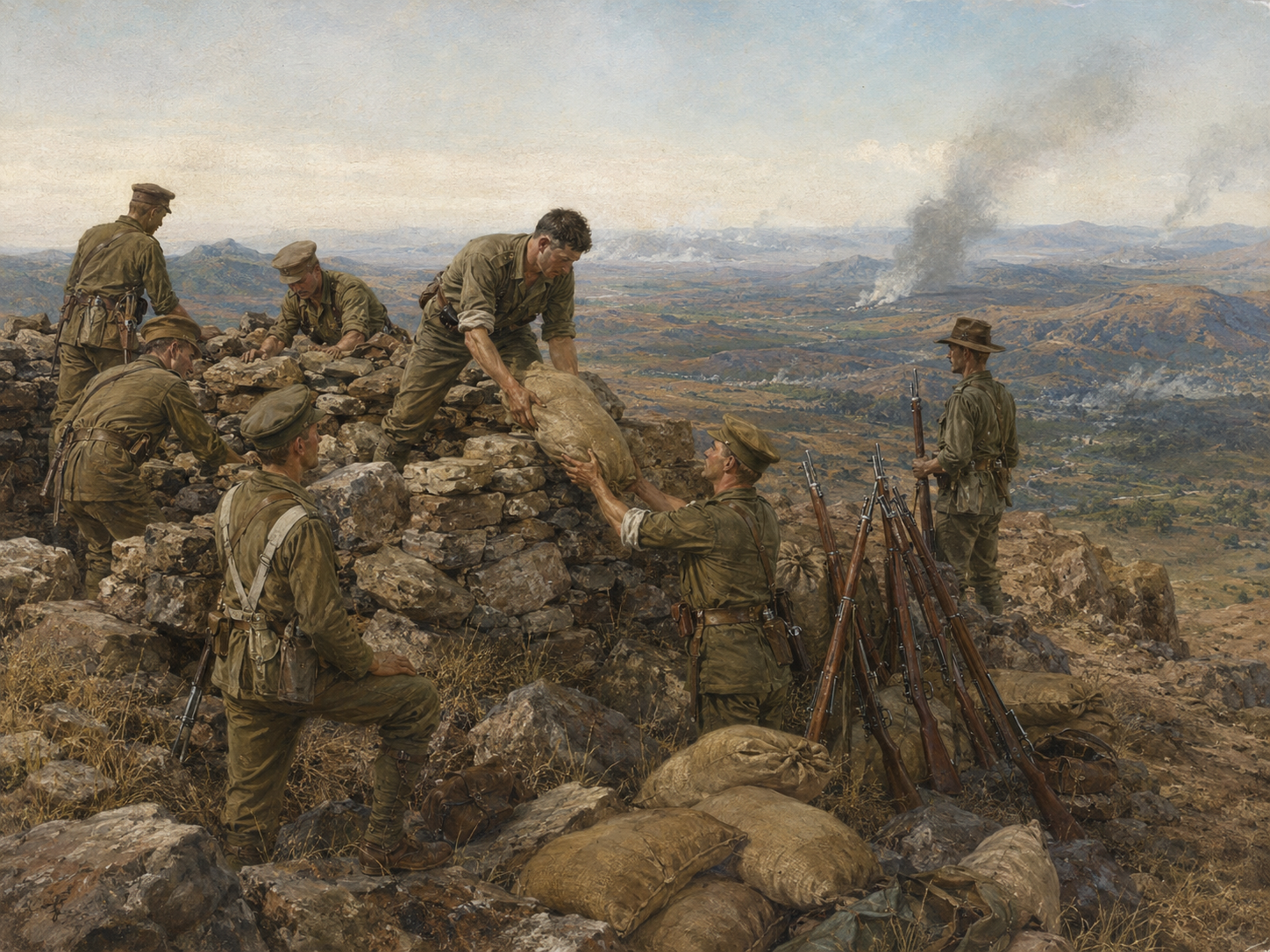
A fresh sequence of enlistments was entered for the Royal Irish Regiment as recruiting activity increased during the South African War. The new names reflected the widening demand for soldiers after the British Army suffered heavy reverses during the closing weeks of 1899. Recruiting offices were encouraging suitable men to enter regular service, while reservists were being recalled and additional forces prepared for overseas deployment. For many Irish families, the war was no longer a remote imperial struggle reported from distant battlefields. It had begun to influence employment decisions, household income and the movements of young men across towns and rural districts.
Read Article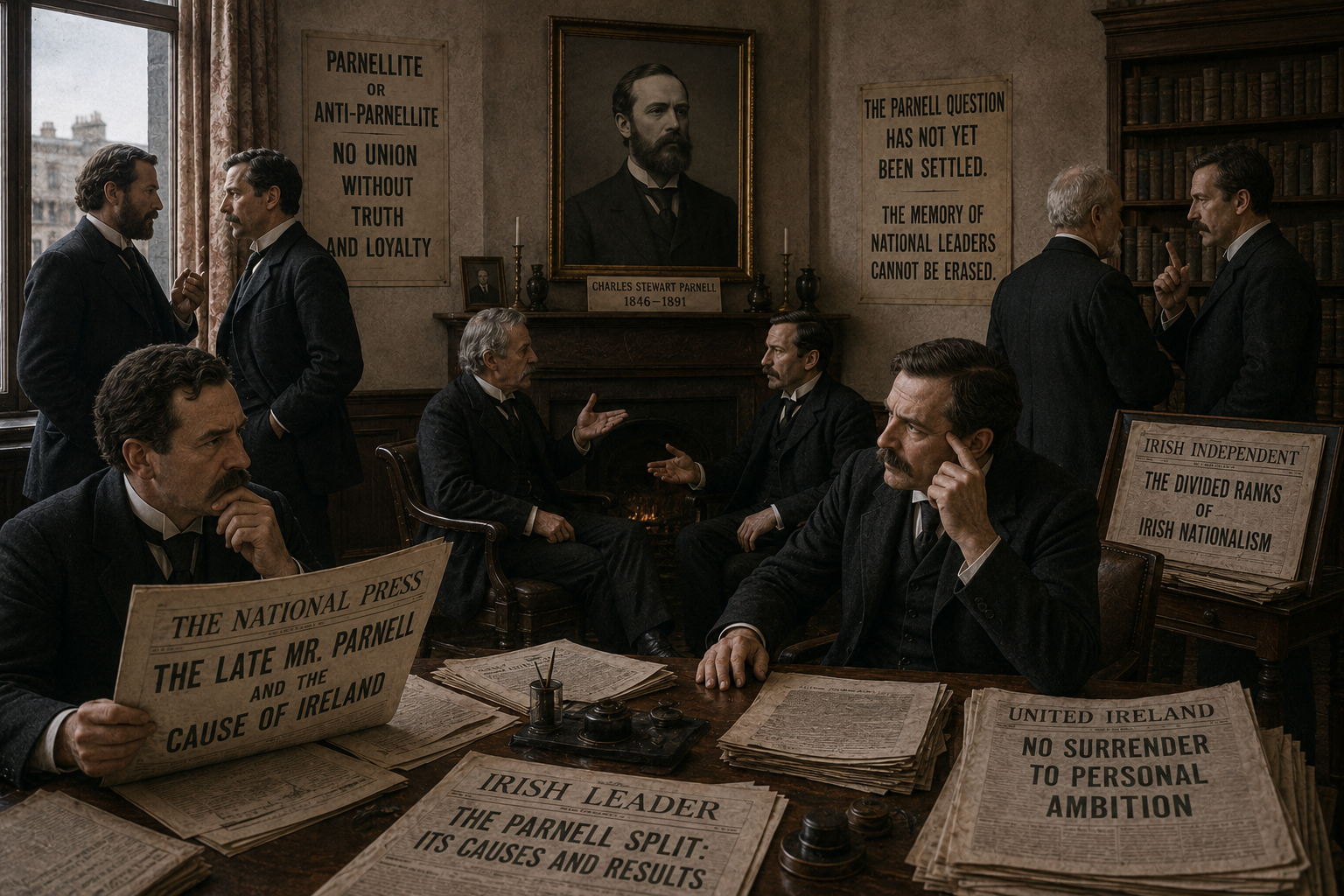
Factional Shadows
The legacy of the Parnell split continued to shape personal rivalries within Irish nationalism nearly a decade after the parliamentary rupture of December 1890. Charles Stewart Parnell’s refusal to surrender the party leadership during the crisis created by the O’Shea divorce case divided former colleagues into Parnellite and anti-Parnellite camps. Political disagreement quickly became entangled with questions of loyalty, honour and betrayal. Parnell’s death in October 1891 removed the central figure but did not settle the quarrel. Memories of who had defended him, abandoned him or challenged his authority remained powerful within parliamentary groups, newspapers, constituency organisations and personal relationships.
Read Article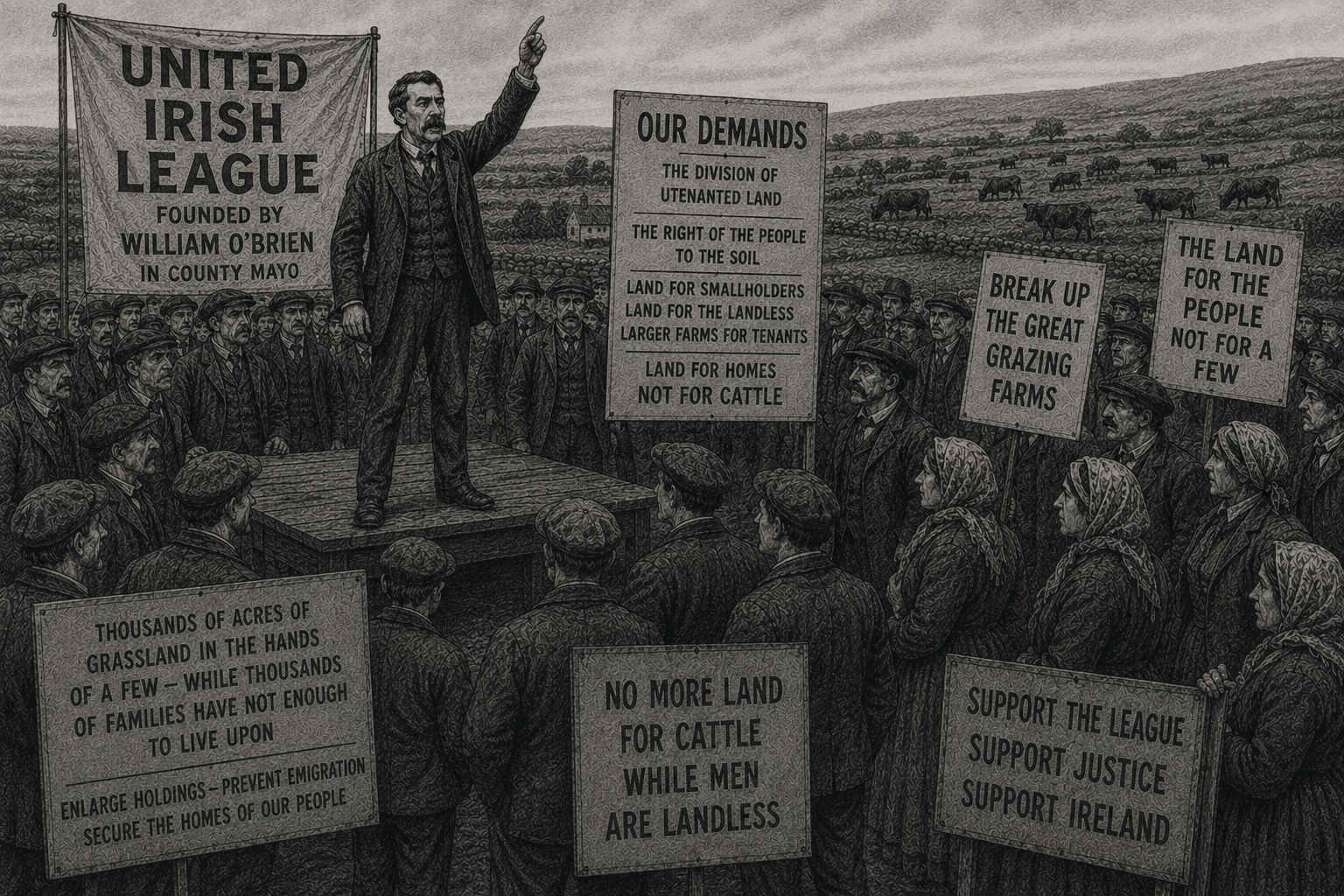
Grazing Challenged
The United Irish League is expanding its campaign against large grazing farms and the concentration of extensive tracts of land in comparatively few hands. Founded by William O’Brien in County Mayo, the League argues that great stretches of grassland should not remain devoted principally to cattle while small farmers struggle upon holdings too limited to support their families. Its programme seeks the division of untenanted land among smallholders, landless families and tenants requiring larger farms. In County Limerick, where agricultural…
Read Article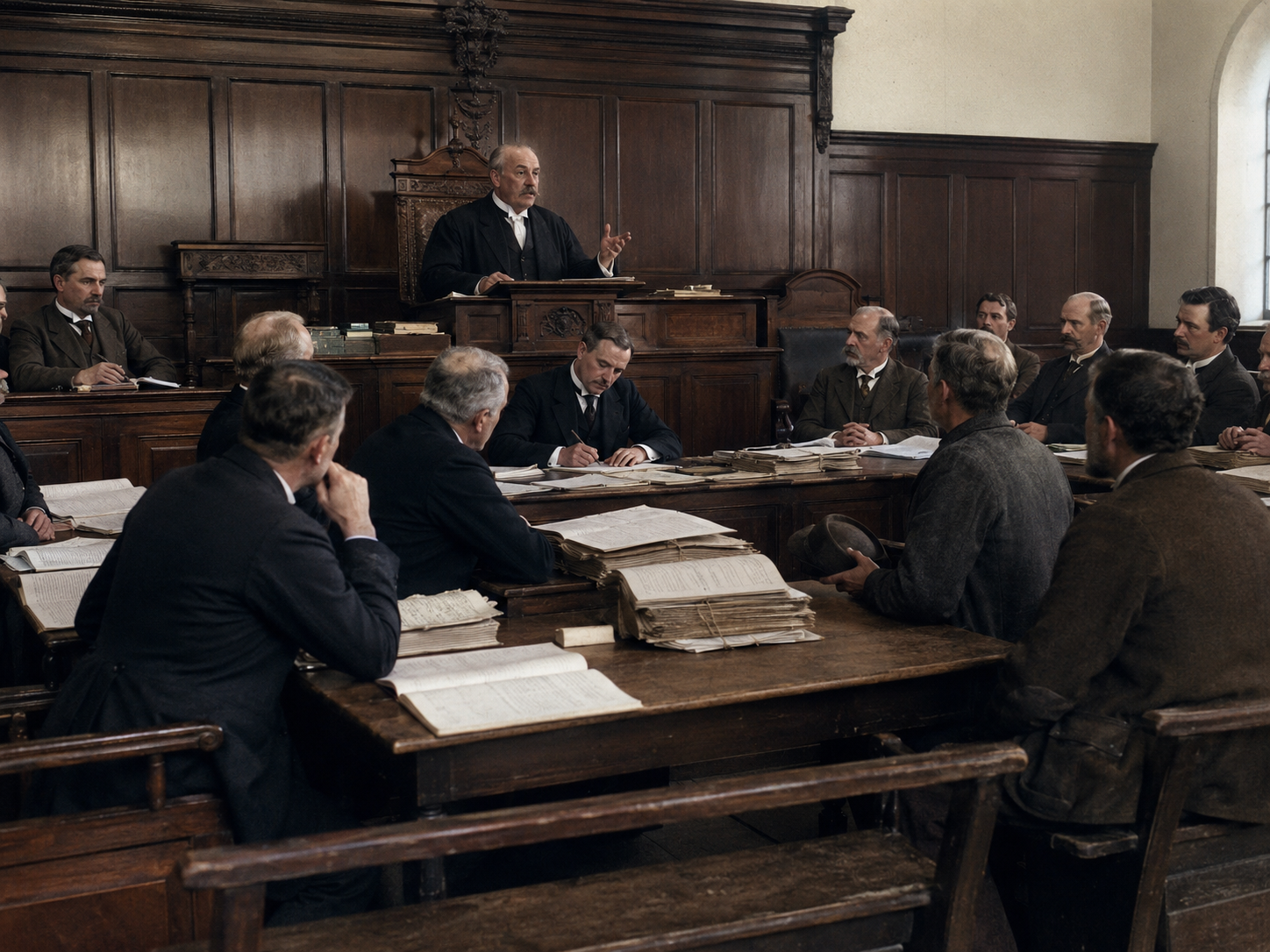
Tenant Payments
Judge Richard Adams delivered an important ruling during the Limerick Quarter Sessions concerning the fixing of fair rents on Irish agricultural holdings. He declared that money already paid by a tenant to obtain possession of a farm should be taken into account when the judicial rent was assessed. Such payments commonly represented the purchase of the outgoing tenant’s interest, goodwill or tenant-right rather than money paid directly to the landlord. Adams’s statement recognised that an incoming occupier might have invested a substantial sum before paying a single year’s rent and that this financial burden formed part of the true circumstances of the tenancy.
Read Article
Boycott Pressure
Boycotting and organised public pressure are being employed in some Irish districts against landlords, graziers and tenants whose conduct is considered hostile to the land campaign. The methods range from public condemnation and refusal of ordinary dealings to the withdrawal of labour, trade and social contact. Supporters describe such action as a peaceful means of enforcing communal discipline where legal and parliamentary remedies appear ineffective. Opponents call it intimidation imposed upon people who may have broken no law. In County Limerick, the practice carries particular force wherever eviction, disputed holdings or the occupation of grazing land has divided neighbours.
Read Article