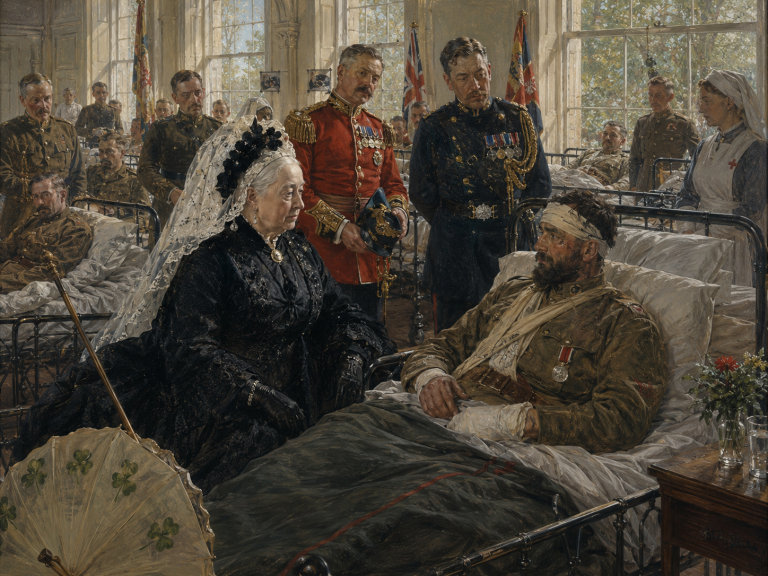

Recruitment Intensifies(c.1890s)

A fresh sequence of enlistments was entered for the Royal Irish Regiment as recruiting activity increased during the South African War. The new names reflected the widening demand for soldiers after the British Army suffered heavy reverses during the closing weeks of 1899. Recruiting offices were encouraging suitable men to enter regular service, while reservists were being recalled and additional forces prepared for overseas deployment. For many Irish families, the war was no longer a remote imperial struggle reported from distant battlefields. It had begun to influence employment decisions, household income and the movements of young men across towns and rural districts.
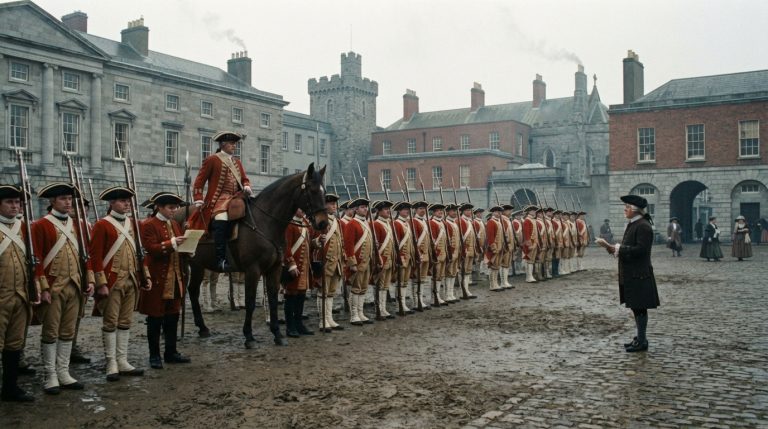
The Royal Irish Regiment drew much of its manpower from Tipperary, Waterford, Kilkenny and Wexford, with its regimental depot established at Victoria Barracks in Clonmel. Its location placed the regiment within easy reach of men travelling through Munster in search of military employment. Recruits did not always enter the regiment most closely associated with their home county, as vacancies, recruiting arrangements and personal connections could determine where they were accepted. The enlistments recorded on 2 January therefore formed part of a broader military system that moved men between local recruiting offices, regional depots, training establishments and battalions preparing for active service abroad.
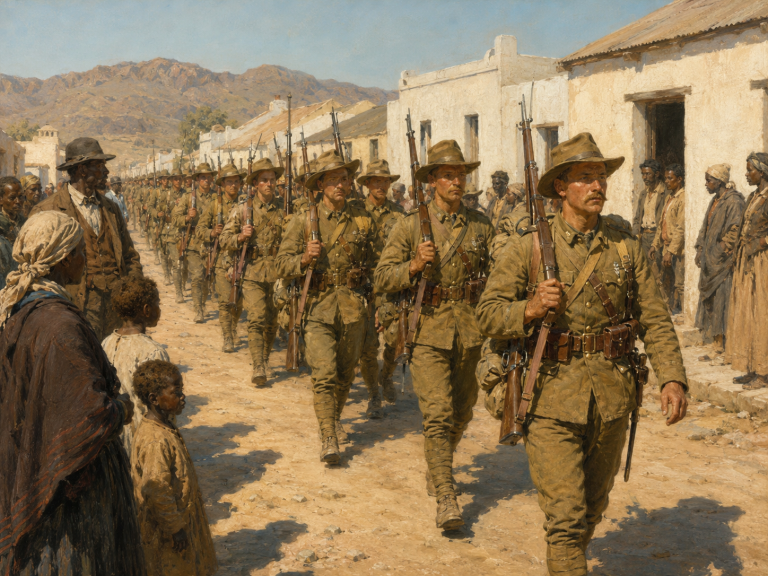
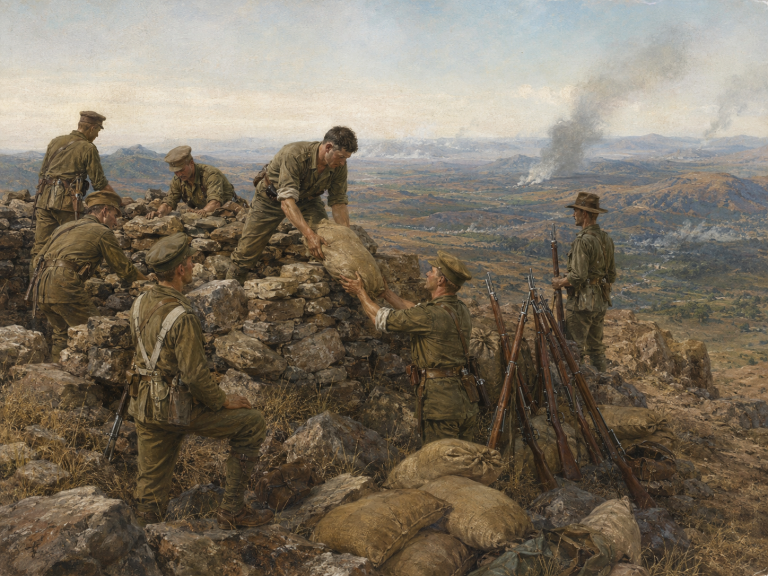
Recruitment had acquired greater urgency following the British defeats of December 1899, a period widely remembered as Black Week. Boer forces had demonstrated unexpected strength, mobility and marksmanship, while British commanders faced the difficulties of reinforcing armies operating across vast distances. The 1st Battalion of the Royal Irish Regiment had already sailed for South Africa and was approaching the Cape when the latest enlistments were entered. New soldiers could not be transformed immediately into experienced infantrymen, but each attestation strengthened the reserve from which the regiment could replace casualties, maintain home duties and prepare future drafts for overseas service.
For working men, enlistment could represent both danger and opportunity. Army service offered regular pay, food, clothing and accommodation at a time when secure civilian employment was difficult to obtain. The decision to enlist was rarely individual in its consequences. Parents could lose a son’s contribution to the household, wives might depend upon military allowances, and younger relatives could find themselves carrying additional responsibilities. Letters and newspaper reports linked Irish homes to military camps and battlefields thousands of miles away. Recruitment was therefore shaped not only by patriotism or imperial enthusiasm, but also by poverty, uncertainty, family tradition and the practical search for a dependable livelihood.
The new entries also revealed the complicated relationship between Ireland and the British Army. Nationalist opposition to the South African campaign existed alongside a long tradition of Irish military service. Men could criticise British policy while relatives wore British uniforms, and communities could oppose the war while supporting soldiers’ families. Such contradictions were especially visible in Munster, where military barracks, recruiting routes and generations of army employment formed part of everyday life. The enlistments recorded on 2 January were modest administrative entries, yet behind each name stood a personal decision capable of altering a household and carrying an Irish recruit into the expanding conflict.
Primary Sources
- British Army service and attestation records, Royal Irish Regiment enlistments dated 2 January 1900, War Office personnel series.
- War Office, The Monthly Army List, January 1900, entries for the Royal Irish Regiment and its Clonmel depot.
- War Office, South African War medal rolls and battalion records for the Royal Irish Regiment, The National Archives, series WO 100.
- Royal Irish Regiment campaign records concerning the 1st Battalion’s departure for South Africa in December 1899 and arrival at the Cape in January 1900.
- Contemporary Irish and British newspaper reports from December 1899 and January 1900 concerning recruiting, mobilisation, reservists and military reverses in South Africa.