Irish Commandos
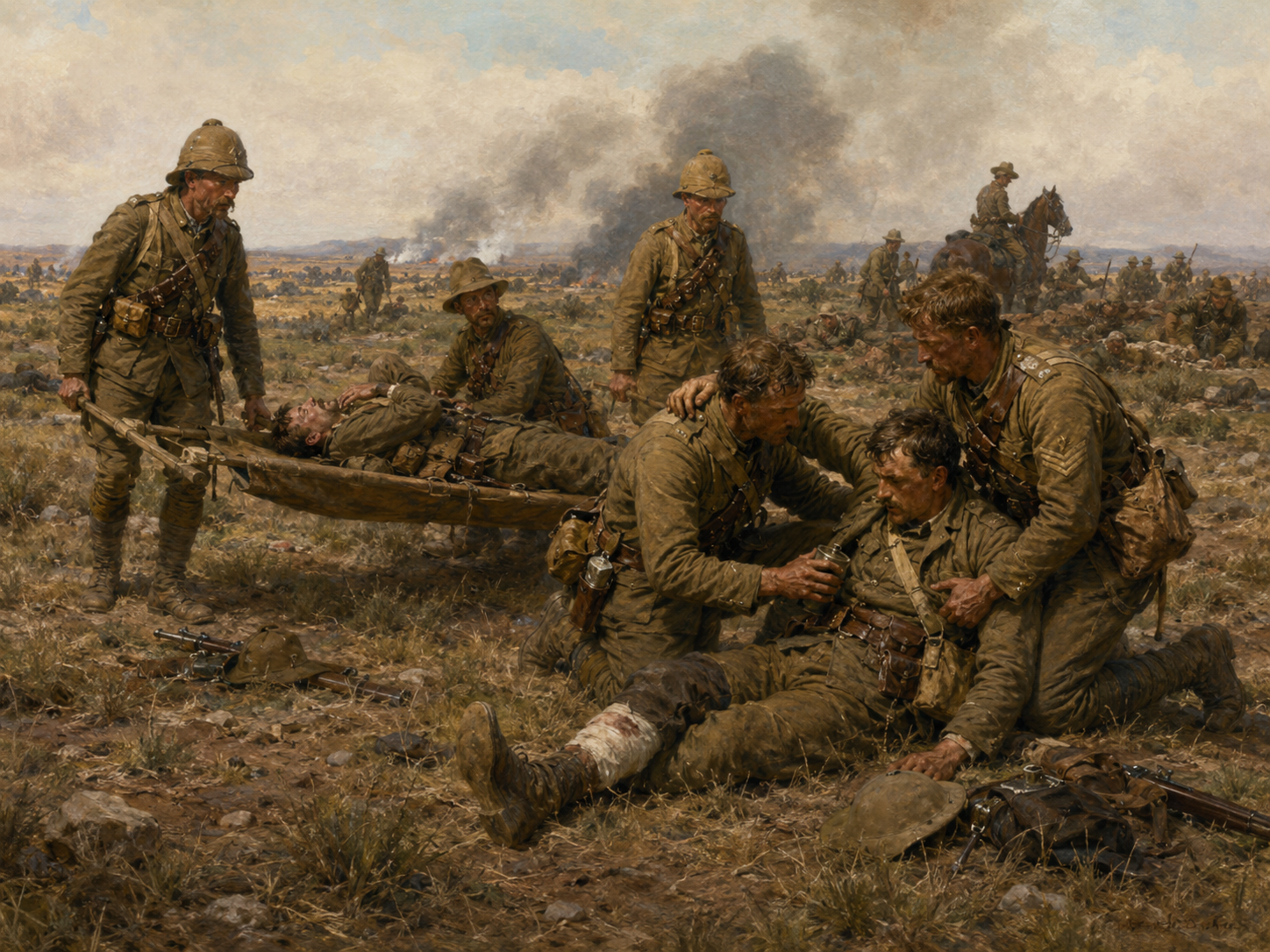
Irish volunteers are continuing to fight beside the Boer commandos in South Africa, creating a remarkable contrast with the thousands of their countrymen serving in British uniform. Reports of the Irish Transvaal Brigade have attracted considerable interest among Limerick nationalists, who regard its members as practical supporters of a small nation resisting imperial conquest. Others question the wisdom of Irishmen taking arms against British forces containing regiments recruited heavily throughout Munster. The conflict has therefore placed Irish soldiers on opposing…
Read Article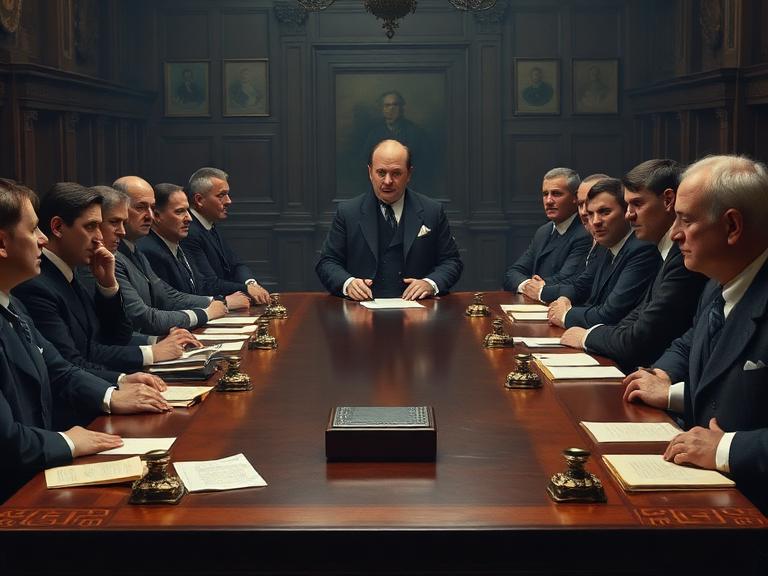
Redmond Favoured
John Redmond emerged during the closing days of January as the principal compromise candidate to lead a reunited Irish Parliamentary Party. His position reflected neither complete trust nor an undisputed personal triumph. Redmond had remained loyal to Charles Stewart Parnell during the political split of 1890 and subsequently led the smaller Parnellite faction. That background made him unacceptable to some former opponents, yet it also placed him outside the bitter rivalries dividing senior anti-Parnellites. As reunion negotiations progressed, delegates increasingly recognised that selecting a leader identified too closely with one majority faction could reopen the quarrel they were attempting to settle.
Read Article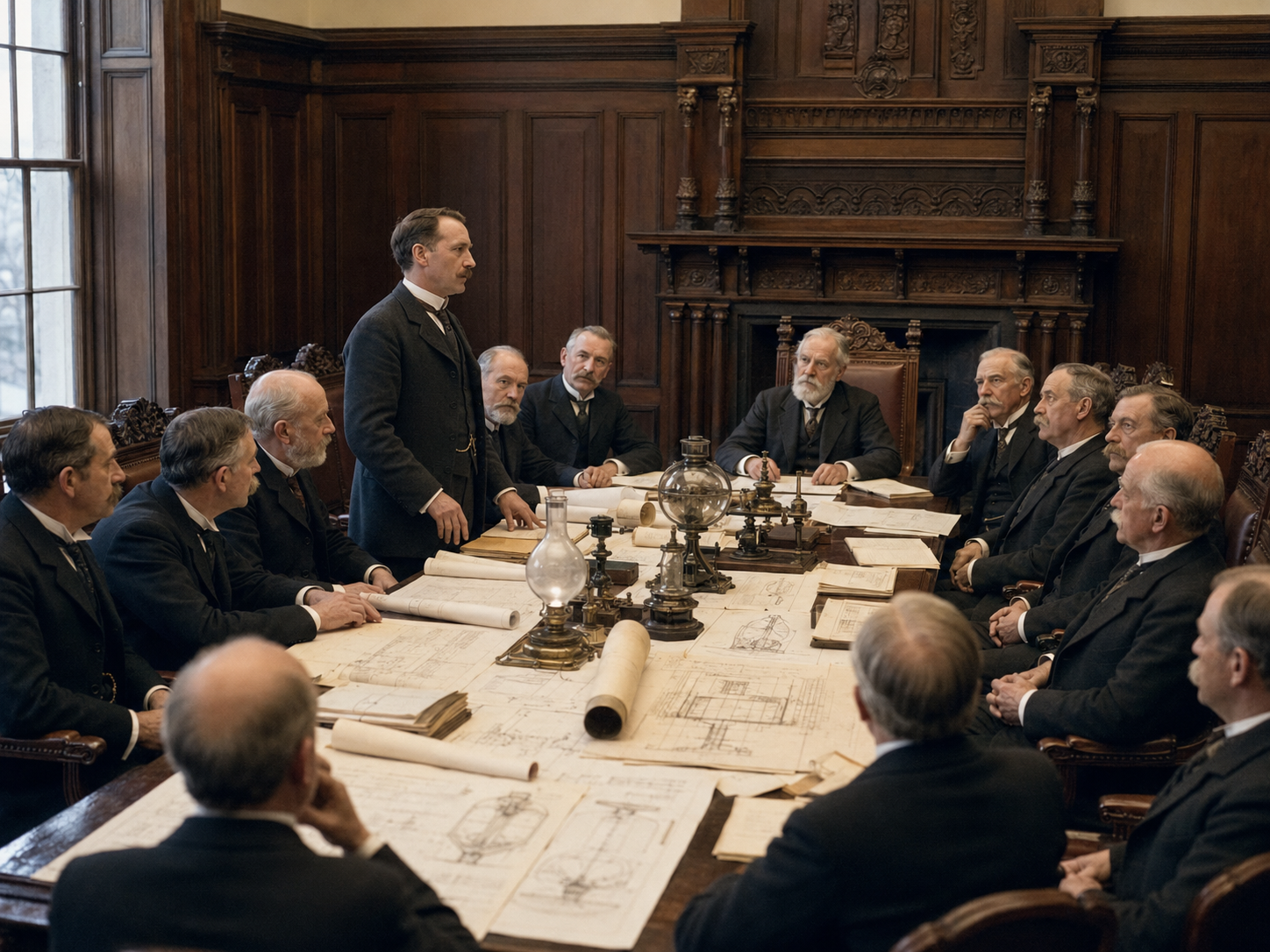
Electric Lighting
Limerick Corporation voted by twenty-four members to four to adopt J. Enright’s proposal for lighting the city by electricity. The decision, reported on 12 January 1900, authorised a scheme designed to provide an installation meeting the technical requirements administered by the Board of Trade. Enright was described as being from London, suggesting that the Corporation had sought outside expertise for a modern undertaking of considerable engineering and financial importance. The decisive majority indicated that most councillors accepted electric lighting as a necessary civic improvement, despite continuing disagreement over how power should be produced and supplied.
Read Article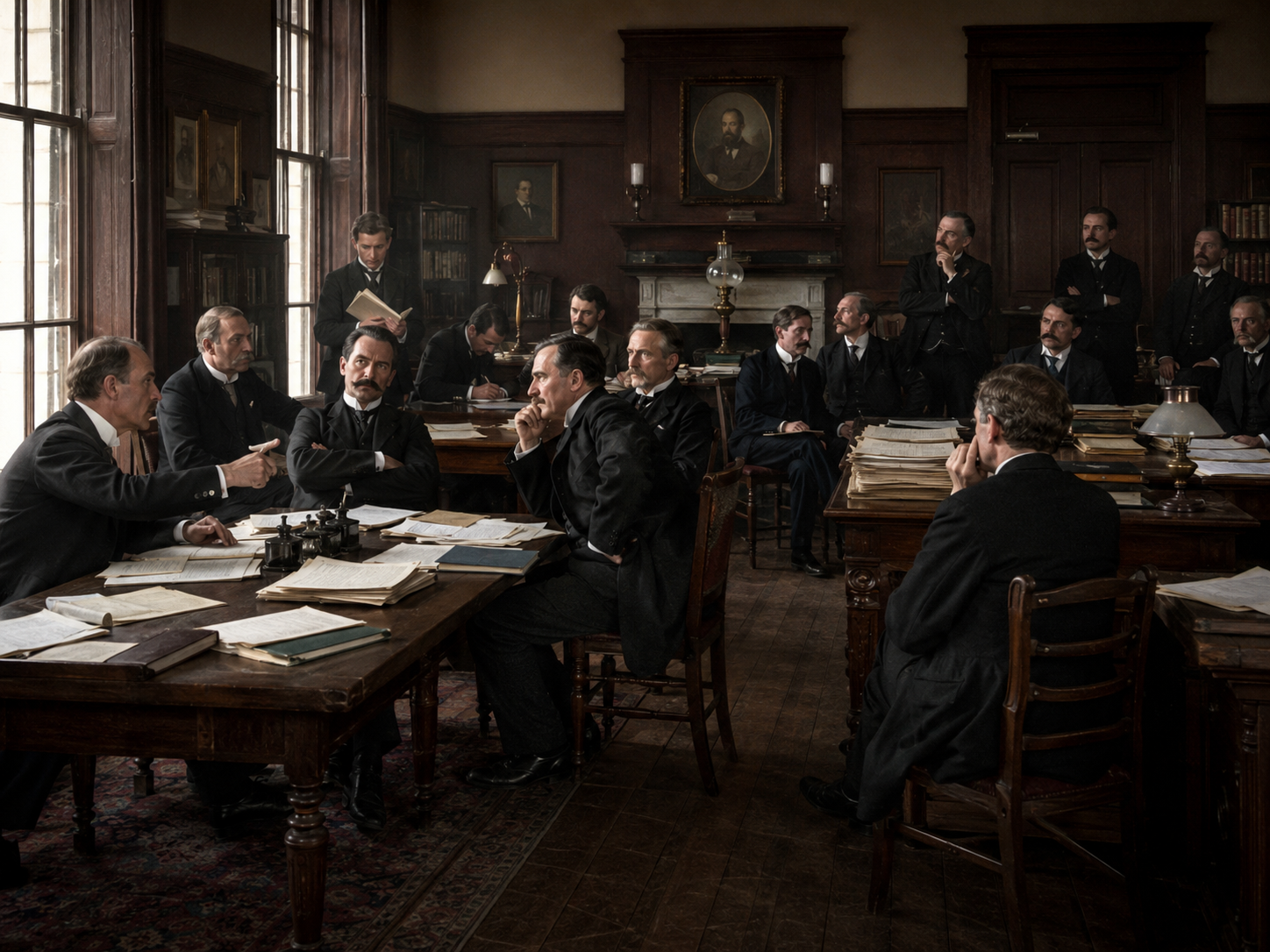
Factional Legacy
The legacy of the Parnell split continued to govern personal relationships within Irish nationalism nearly a decade after the parliamentary rupture of December 1890. Charles Stewart Parnell’s refusal to surrender the party leadership during the O’Shea divorce crisis divided former colleagues into Parnellite and anti-Parnellite camps. Political argument became inseparable from accusations of loyalty, betrayal, clerical interference and personal ambition. Parnell’s death in October 1891 removed the leader around whom the conflict had formed, but it did not reconcile the men who had defended or rejected him. Those memories endured within parliamentary factions, newspapers, constituencies and private correspondence.
Read Article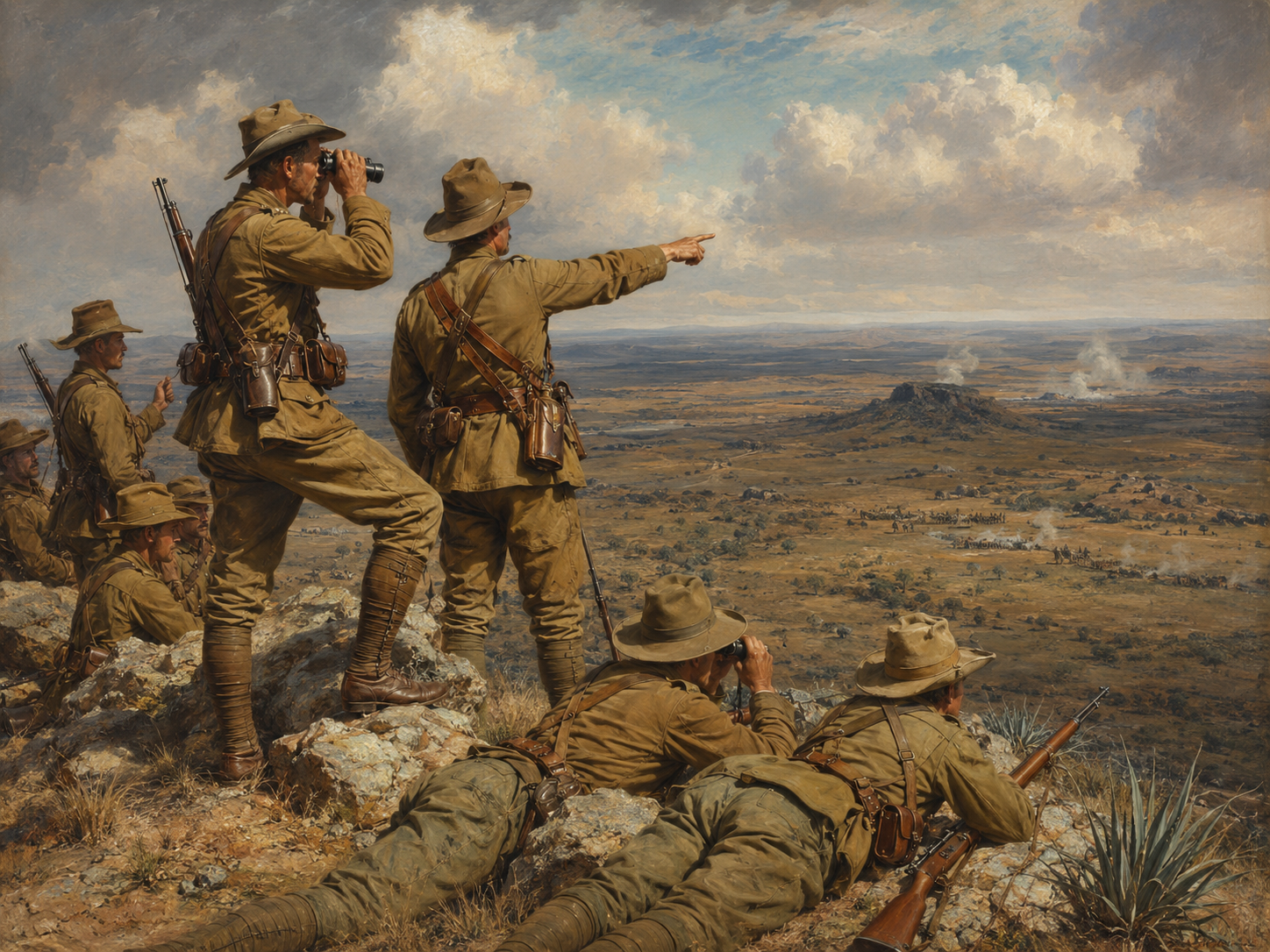
Roberts Arrives
Field Marshal Lord Roberts arrived at Cape Town on 10 January 1900 and assumed supreme command of British forces in South Africa. He travelled aboard the Dunottar Castle with Lord Kitchener, who became his chief of staff. Their appointment followed the defeats of “Black Week,” when British reverses at Stormberg, Magersfontein and Colenso exposed serious weaknesses in command, intelligence and battlefield preparation. Roberts received a formal welcome at the harbour, but the ceremony could not conceal the gravity of his task. British garrisons remained besieged, casualties were rising and reinforcements arriving from across the Empire required organisation.
Read Article