
Redmond Favoured(c.1890s)
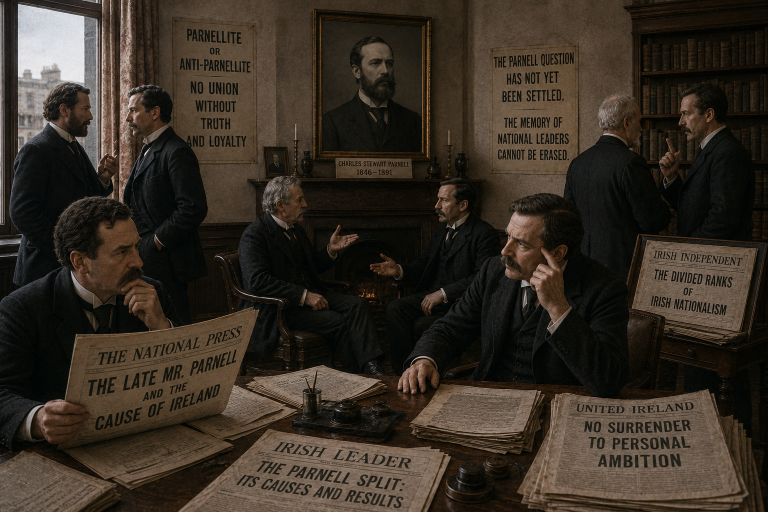
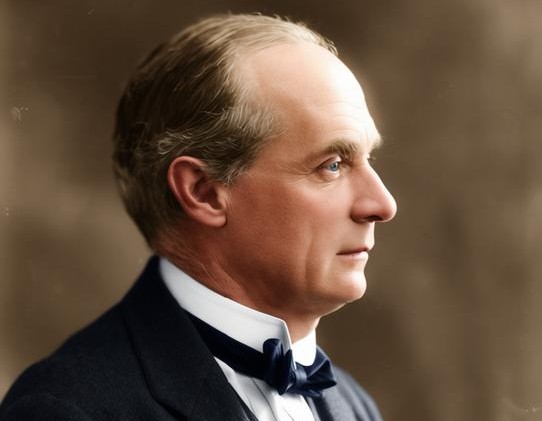
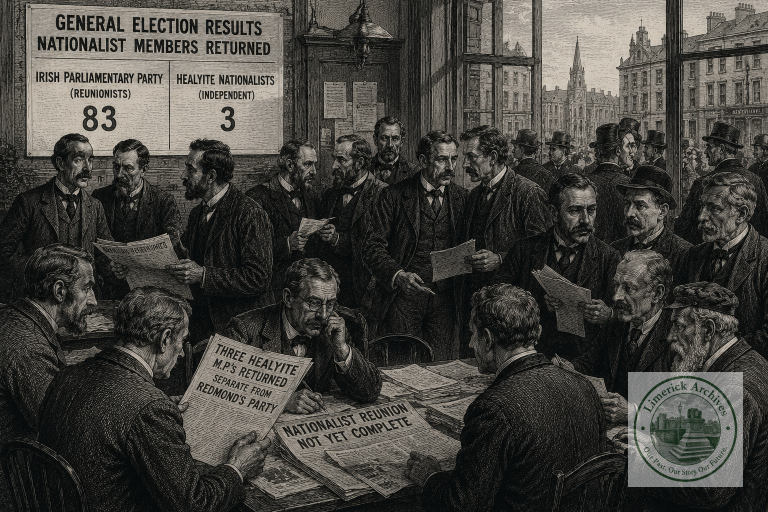
John Redmond emerged during the closing days of January as the principal compromise candidate to lead a reunited Irish Parliamentary Party. His position reflected neither complete trust nor an undisputed personal triumph. Redmond had remained loyal to Charles Stewart Parnell during the political split of 1890 and subsequently led the smaller Parnellite faction. That background made him unacceptable to some former opponents, yet it also placed him outside the bitter rivalries dividing senior anti-Parnellites. As reunion negotiations progressed, delegates increasingly recognised that selecting a leader identified too closely with one majority faction could reopen the quarrel they were attempting to settle.
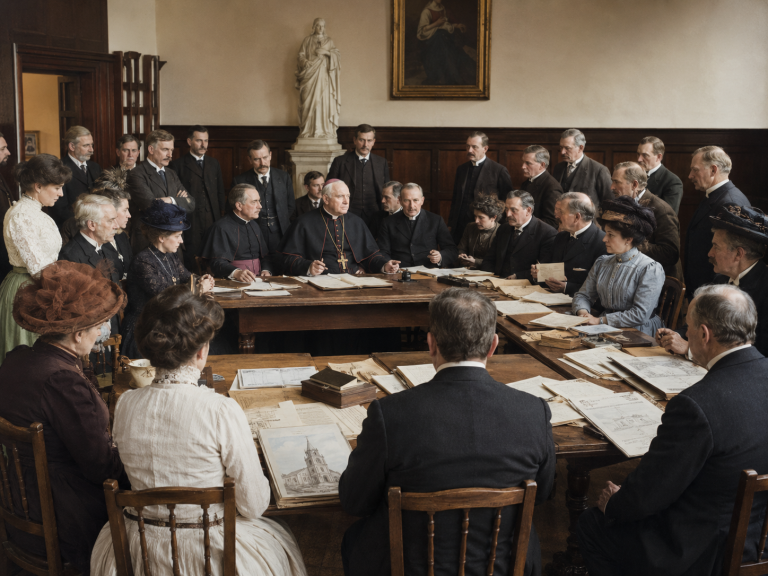
John Dillon’s willingness to set aside his own leadership claims significantly strengthened Redmond’s prospects. Timothy Healy and William O’Brien also possessed influence, but neither could command sufficiently broad confidence across the competing parliamentary groups. Redmond’s measured manner, experience at Westminster and existing status as leader of the Parnellite minority made him a practical choice. His elevation would allow Parnell’s surviving followers to enter the reunited organisation without humiliation while permitting the larger anti-Parnellite body to claim that unity had been achieved through negotiation rather than surrender. The apparent compromise concealed unresolved personal suspicions that would continue beneath the restored party structure.
The United Irish League’s rapid expansion made agreement increasingly urgent. Founded by William O’Brien, the League had mobilised tenant farmers and local organisers around land reform while demanding an end to parliamentary factionalism. Its success demonstrated that nationalist opinion outside Westminster was becoming impatient with leaders who prolonged disputes inherited from the previous decade. Redmond’s candidacy offered a means of reconnecting the parliamentary movement with this growing popular organisation. Although he had previously expressed reservations about reunion, he now appeared capable of representing a party broad enough to include former rivals while maintaining a recognisable nationalist presence at Westminster.
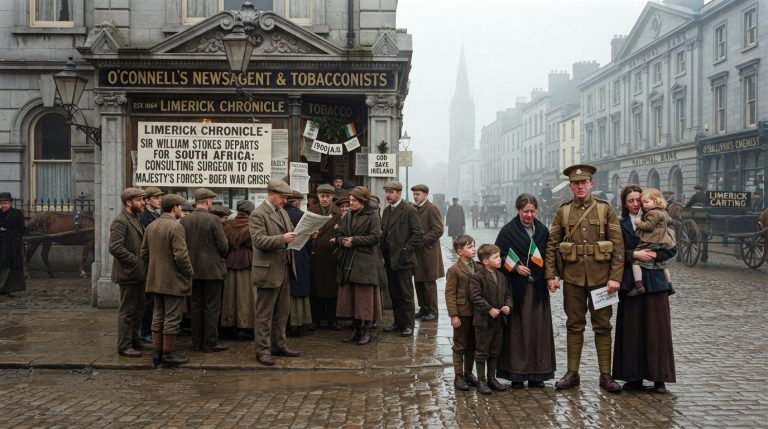
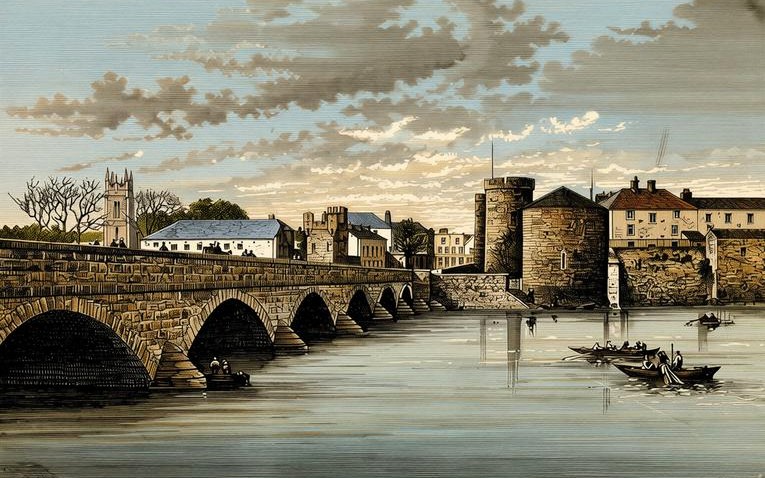
The developing settlement was followed closely in Limerick city and county, where nationalist voters, United Irish League supporters and local political organisers had experienced the weakening effects of factional division. Reunion promised fewer contests between rival nationalist candidates and a stronger parliamentary campaign for Home Rule, tenant purchase and land reform. Redmond’s emergence would not have satisfied every Limerick activist, but his selection offered the prospect of a single leadership to which local branches and representatives could direct their support. The issue mattered particularly in communities where political disagreements had divided neighbours who otherwise shared broadly similar constitutional and agrarian objectives.
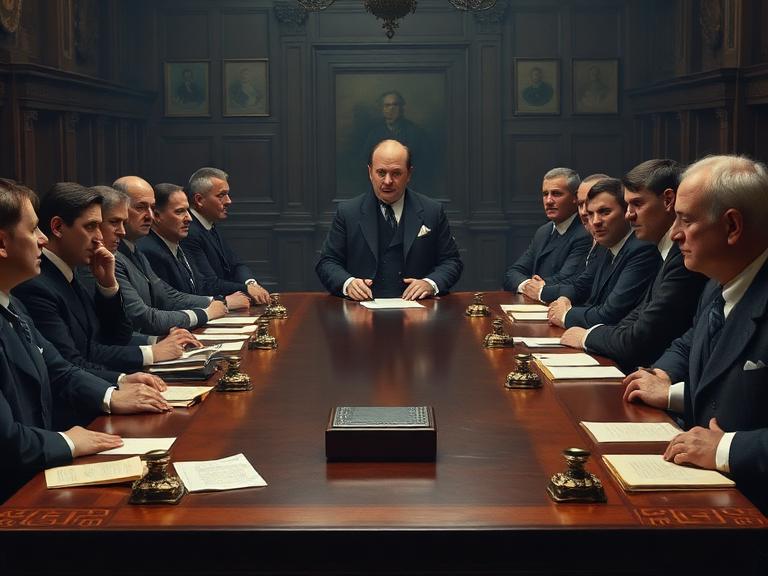
Redmond was formally chosen as chairman when the reunited parliamentary party assembled shortly afterwards. He would retain the leadership until his death in 1918, although his authority never equalled the personal control once exercised by Parnell. His position depended upon balancing Dillon, O’Brien, Healy and other influential figures while preserving unity among members with different political instincts. The compromise that elevated him succeeded because no stronger candidate could unite the factions without provoking renewed resistance. In late January, therefore, Redmond’s greatest qualification was not universal enthusiasm but his ability to occupy the narrow political ground upon which reconciliation had become possible.
Primary Sources
- John Redmond Papers, National Library of Ireland, Collection List No. 118, correspondence and political papers concerning nationalist reunion and Redmond’s selection as chairman of the reunited Irish Parliamentary Party.
- John Dillon Papers, Trinity College Dublin Manuscripts, correspondence and political material concerning leadership negotiations and Dillon’s decision not to press his own claim.
- Philip Bull, “The United Irish League and the Reunion of the Irish Parliamentary Party, 1898–1900,” Irish Historical Studies, volume 26, number 101, May 1988, pages 51–78.
- Conor Mulvagh, The Irish Parliamentary Party at Westminster, 1900–18, Manchester University Press, 2016, discussion of Redmond’s emergence as a compromise leader and the internal structure of the reunited party.
- Michael Laffan, “Redmond, John Edward,” Dictionary of Irish Biography, Royal Irish Academy, account of Redmond’s Parnellite leadership, party reunion and election as chairman in 1900.