Commons Uproar
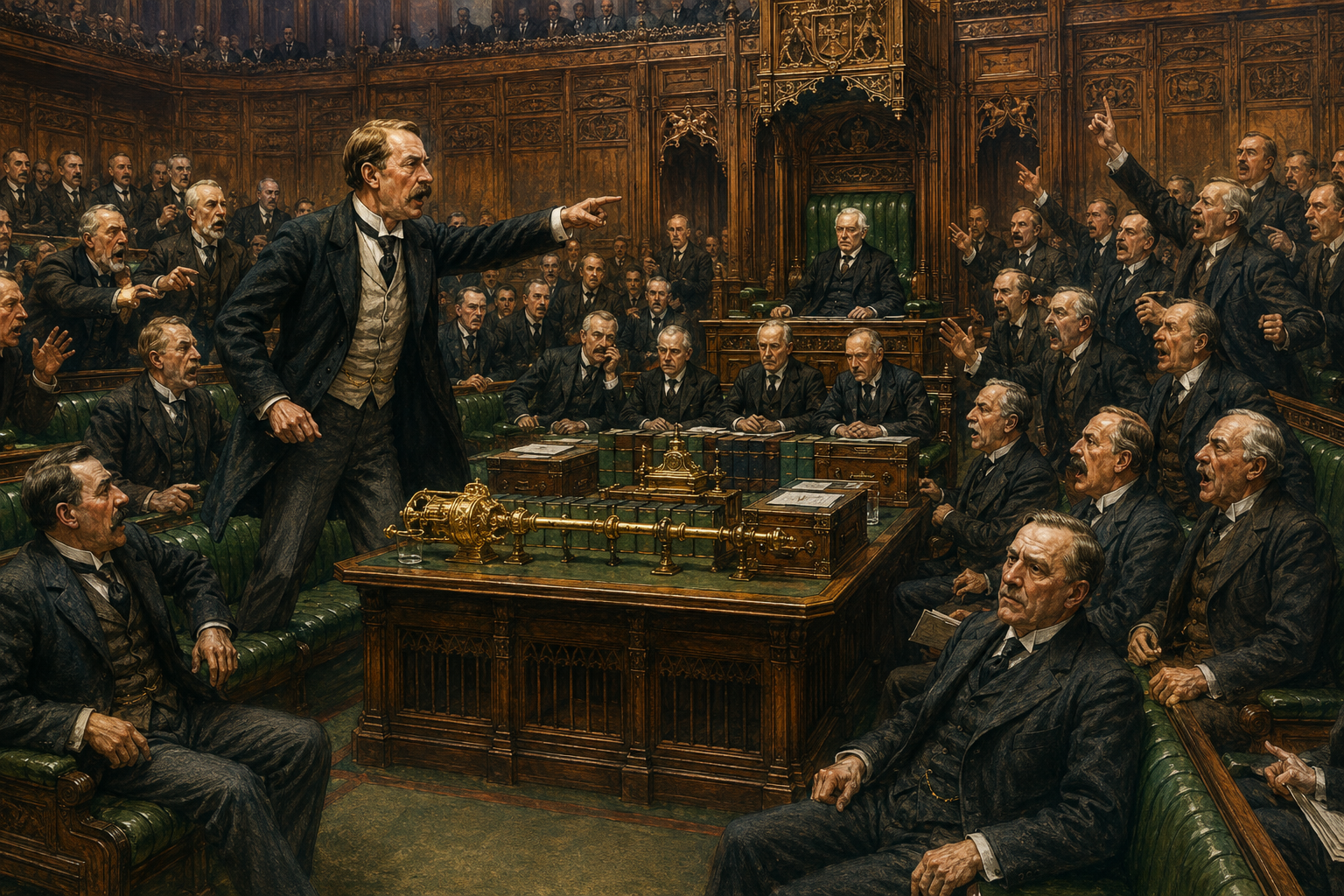
The House of Commons descended into uproar on 2 February 1900 after Colonel Edward Saunderson invoked remarks attributed to John Daly, the Mayor of Limerick, during a fierce attack upon Irish Nationalists. Speaking in a debate on the Government’s conduct of the South African War, the North Armagh Unionist argued that a ministry dependent upon Nationalist votes could not be trusted to prosecute the conflict. Limerick’s political voice therefore entered Westminster at a moment of imperial crisis, exposing the gulf between Irish opposition to the war and Unionist demands for victory and loyalty to the Crown.
Read Article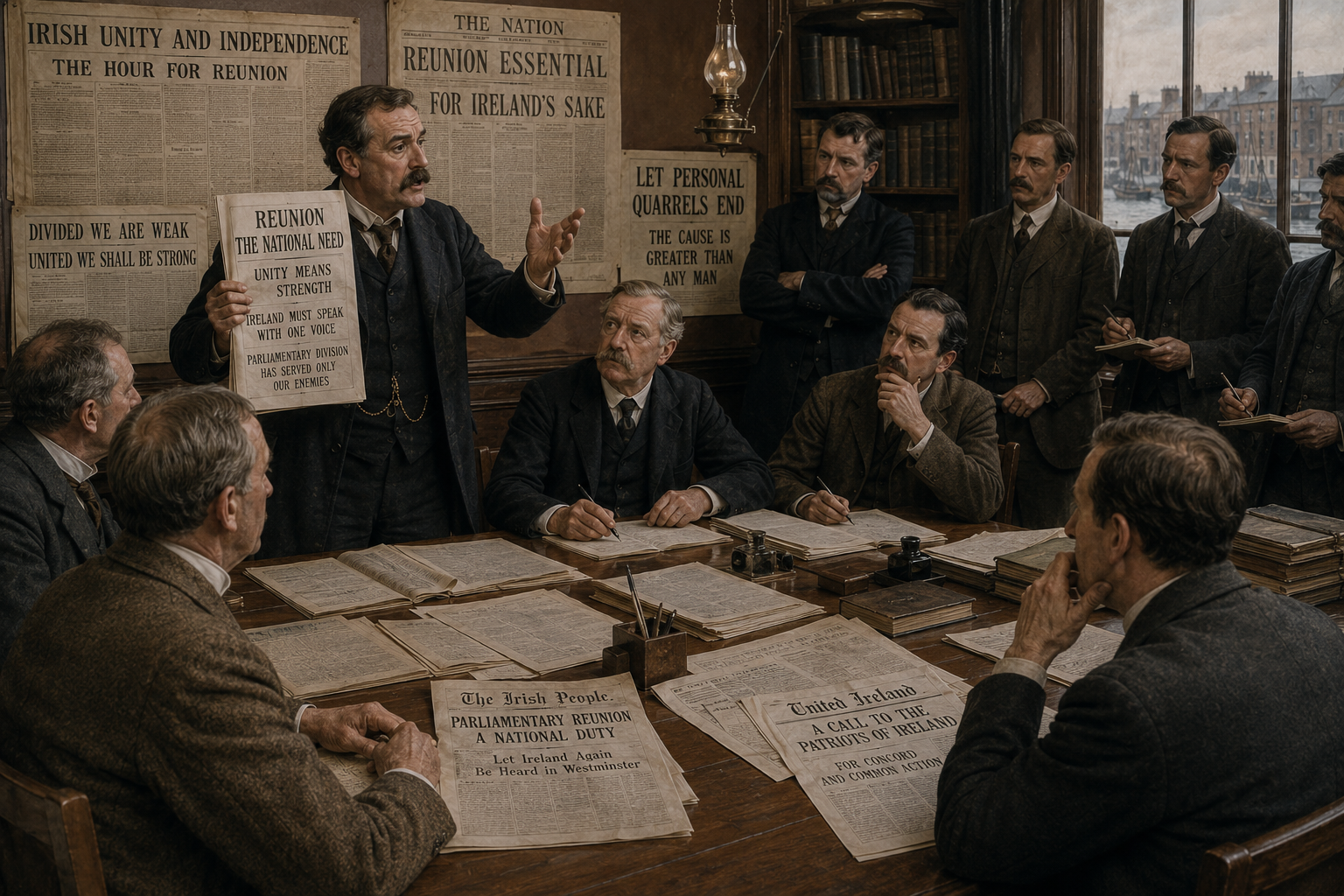
Press Demands
Nationalist newspapers increasingly presented reunion as essential if Ireland was to recover influence at Westminster after almost a decade of parliamentary division. Since the split over Charles Stewart Parnell’s leadership in 1890, rival Parnellite, anti-Parnellite and Healyite groups had competed for authority, funds and constituencies while claiming allegiance to the same national cause. Editorials and political reports warned that British governments could disregard Irish demands when nationalist MPs lacked common leadership and discipline. Reunion was consequently framed not simply as reconciliation between prominent personalities, but as the practical means by which Ireland might again act as a recognisable parliamentary force.
Read Article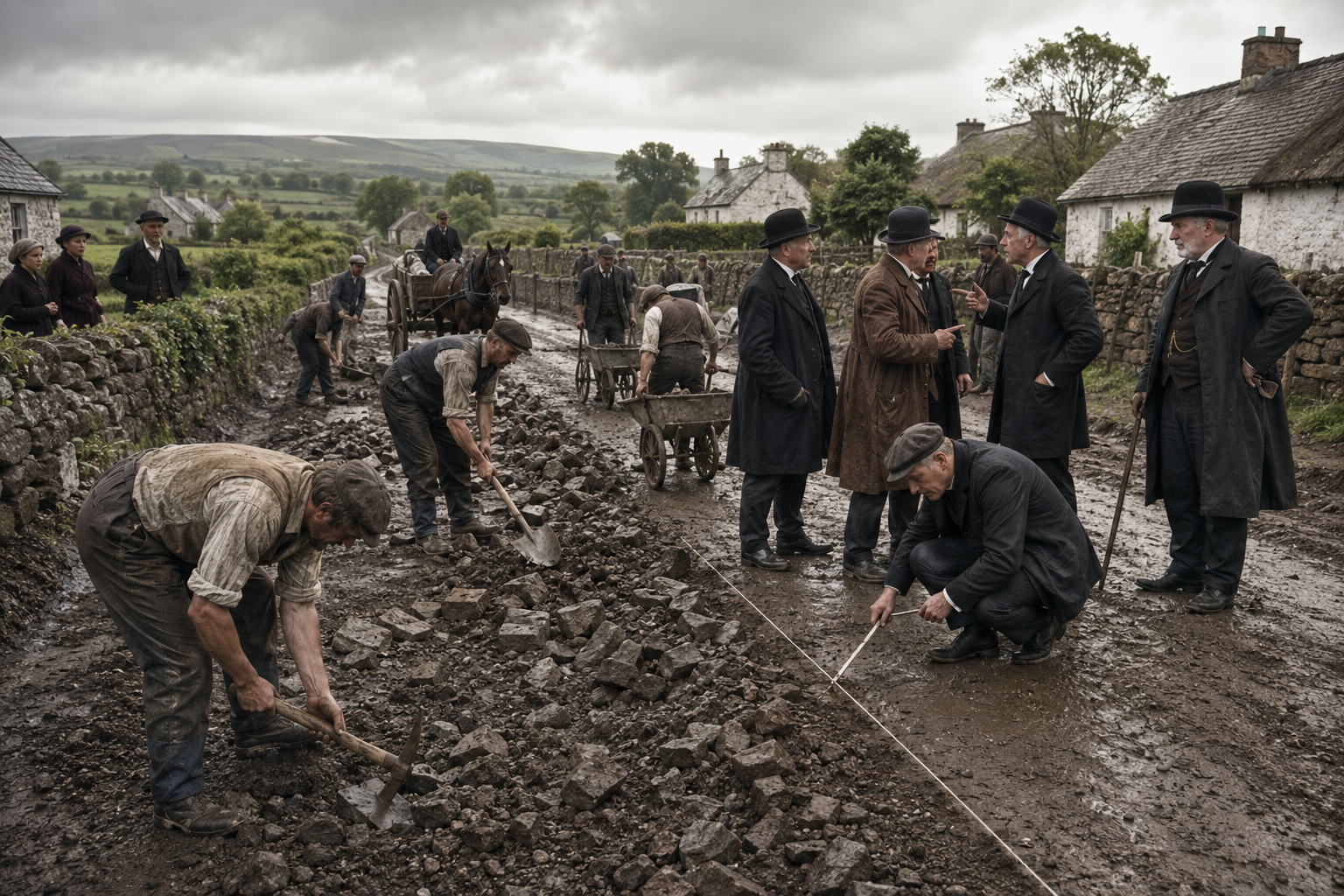
Roads Dispute
Arguments continued across County Limerick over whether public roads should be maintained through private contracts or by labourers employed directly under elected local authorities. The Munster News criticised what it regarded as Limerick County Council’s unsatisfactory handling of road tenders and the developing direct-labour question. The dispute followed the transfer of road administration from the Grand Jury system to the newly elected county and rural district councils. Councillors were now responsible for deciding how public money should be spent, who should receive employment and whether established contractors continued to offer the most economical and reliable method of keeping roads in repair.
Read Article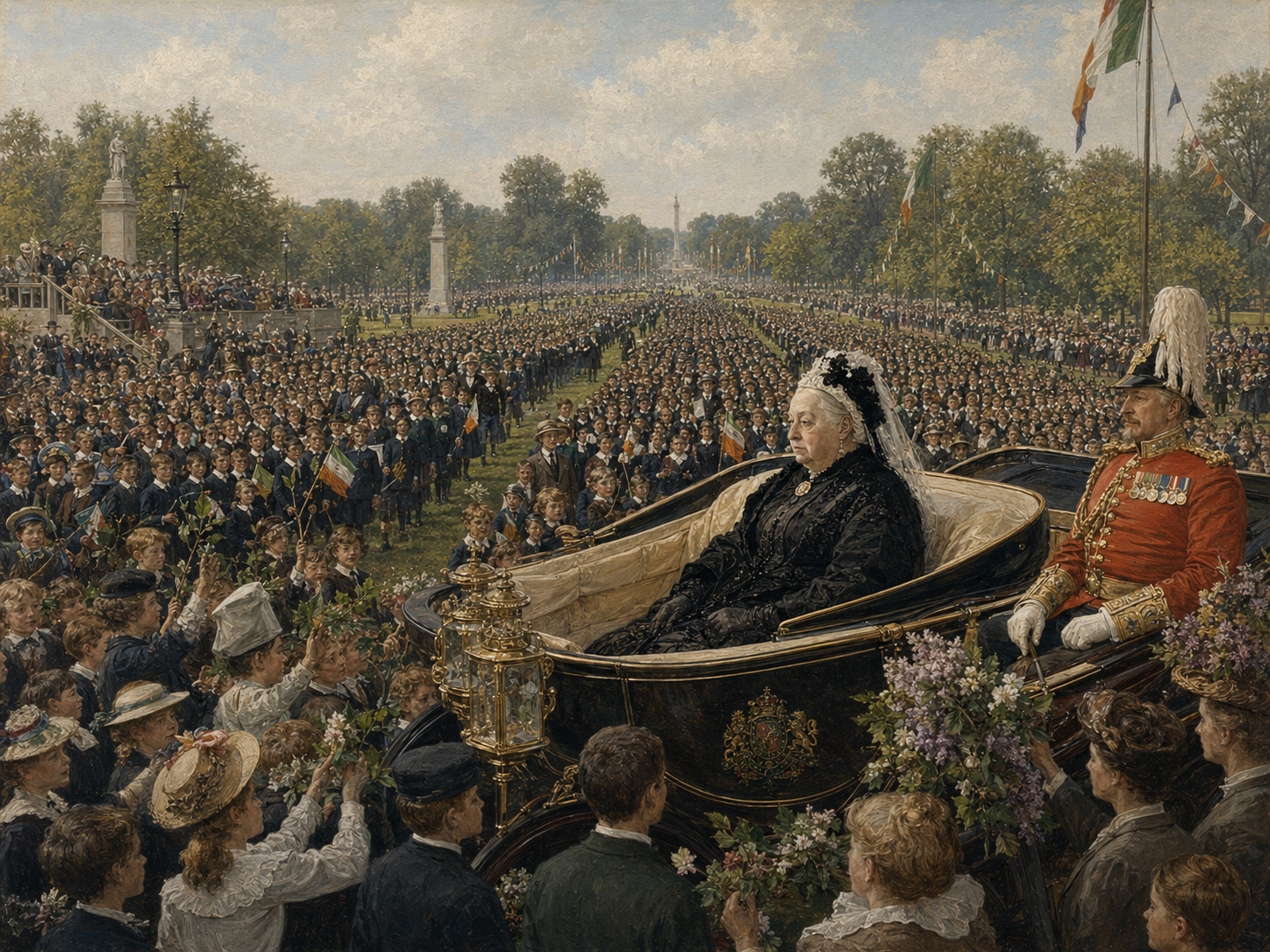
Loyal Ireland
Unionist opinion has interpreted the enthusiastic public welcome given to Queen Victoria as convincing evidence that Ireland remains loyal to the Crown and firmly attached to the United Kingdom. Reports from Dublin describe immense crowds lining the route from Kingstown, cheering as the royal carriage passed through extensively decorated streets towards Phoenix Park. Loyalist newspapers and organisations argue that such scenes contradict nationalist claims to speak for the whole Irish population. In Limerick, supporters of the Union will regard the…
Read Article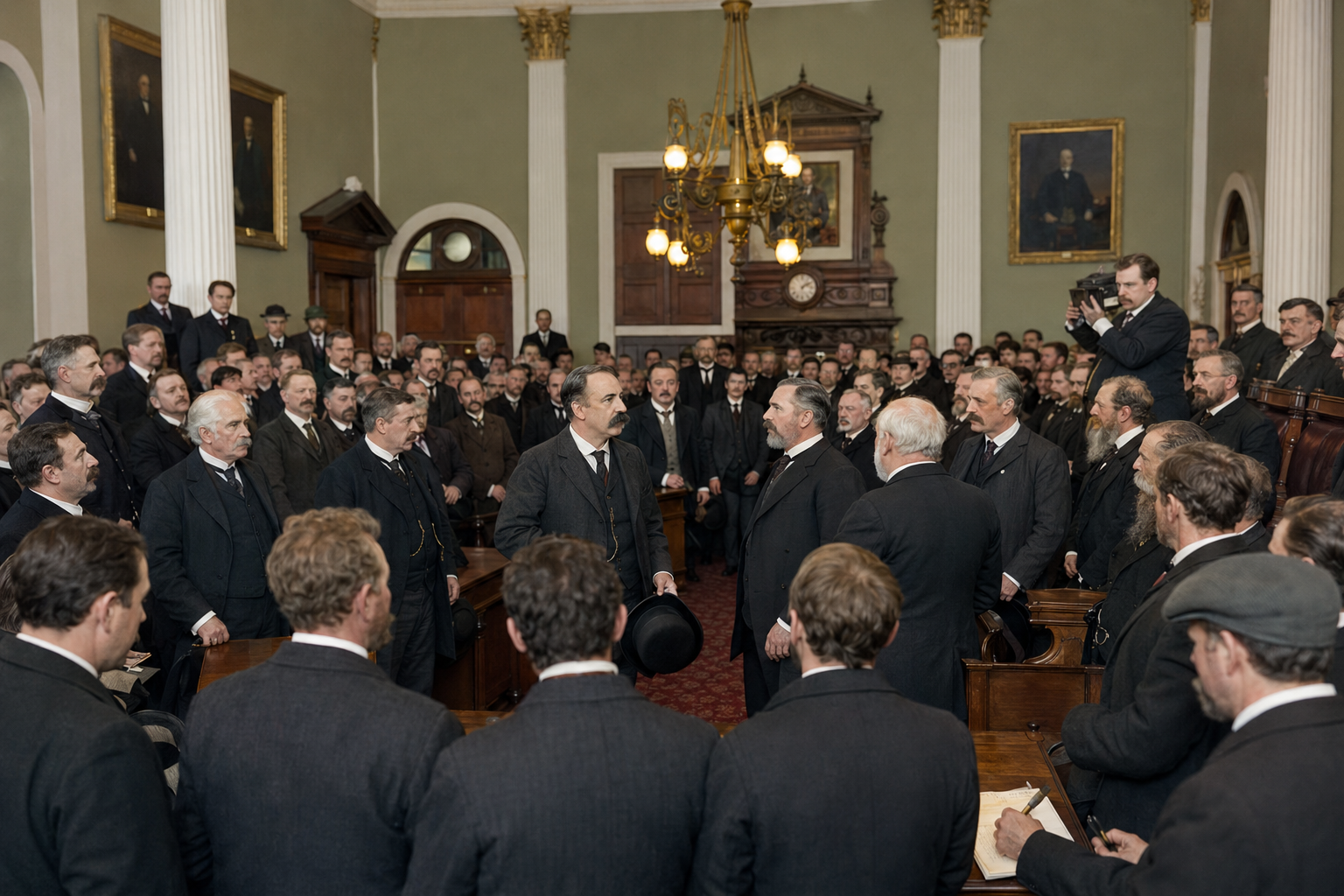
Rivals Reconcile
Parnellite and anti-Parnellite representatives appeared together at Dublin’s Mansion House on 17 January in the most important public demonstration of nationalist reconciliation since the political rupture of 1890. Men who had spent nearly a decade attacking one another from platforms, newspapers and election committees now entered the same civic chamber under intense public scrutiny. Their presence did not erase the bitterness created by the fall of Charles Stewart Parnell, but it offered supporters visible evidence that reunion had become possible. The gathering converted private discussions and cautious approaches into a public acknowledgement that continued division was damaging the wider nationalist cause.
Read Article