
Archived: 8 October 2026
Abstract
In 1962, Seán Lemass advanced Ireland’s application to join the European Economic Community, arguing that economic modernisation required wider markets despite dependence on Britain. Growth after 1958 tempered, but did not end, emigration, rural decline and weak infrastructure; new housing, sanitation and welfare measures addressed domestic needs. The IRA ended Operation Harvest, while Ireland continued demanding UN service in the Congo. Television expanded national culture through Radharc and The Late Late Show, as the Theatre Royal closed and The Chieftains formed. Catholic influence remained strong, yet Vatican II signalled change. Ireland balanced European ambition, international engagement, tradition and unresolved partition.
Read Article
Archived: 8 October 2026
Abstract
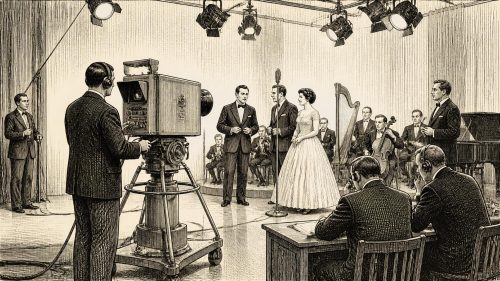
In 1961, Ireland remained rural, economically dependent on Britain and affected by emigration, as the census population fell to 2,818,341. Seán Lemass's government pursued modernisation through legislation, industrial development and outward-looking trade policy. Fianna Fáil retained office after October's general election but lacked a majority, leaving Lemass dependent on a narrow Dáil vote. Ireland applied to join the European Economic Community, chiefly to protect trade links and agricultural exports amid Britain's application. In Katanga, Commandant Pat Quinlan's A Company fought at Jadotville, surrendered after isolation, and returned from captivity. Telefís Éireann's inaugural broadcast on 31 December marked a new medium.
Read Article

Archived: 8 October 2026
Abstract
In 1956, Ireland confronted population decline, unemployment and record emigration despite democratic stability and international involvement. The April census confirmed losses, while rural electrification expanded unevenly. Government created the Department of the Gaeltacht, defining language areas and linking Irish preservation with economic and social development. New citizenship legislation reflected continuing constitutional claims regarding Northern Ireland. The IRA’s Border Campaign began in December; Costello’s administration opposed violence while disputing British sovereignty claims. Ireland engaged with UN responses to Suez and Hungary, accepting Hungarian refugee families. T. K. Whitaker became Finance Secretary, and Olympic medals, led by Ronnie Delany, provided national celebration.
Read Article




