
Archived: 26 September 2026
Abstract
Ireland’s 2025 combined economic strength with social and infrastructural pressures. Micheál Martin returned as Taoiseach, leading a Fianna Fáil–Fine Gael coalition supported by independents, which prioritised housing, services, security and competitiveness. Ireland pursued prominent legal and diplomatic action concerning Gaza, while Shared Island and research funding encouraged practical north–south cooperation. Population growth, employment and tax revenues intensified demand for homes, schools and healthcare. Housing completions rose, alongside a new long-term building plan and planning reforms. Cultural and language initiatives continued. Storm Éowyn caused severe disruption, and an exceptionally warm year highlighted climate risks. Dependence on multinational corporation tax remained vulnerability.
Read Article

Archived: 26 September 2026
Abstract
Ireland in 2017 faced political, social and constitutional uncertainty amid economic recovery. Leo Varadkar became Taoiseach, leading a fragile Fine Gael minority after Frances Fitzgerald’s resignation. Northern Ireland’s Executive collapsed, while Brexit negotiations elevated the border, producing commitments to avoid a hard border and protect the Belfast Agreement. Citizens’ Assembly and Oireachtas processes advanced debate on repealing the Eighth Amendment. Tuam excavations revealed infant and child remains, intensifying scrutiny of mother-and-baby homes. Growth coexisted with severe housing need and homelessness. Census profiles highlighted education and diversity; Storm Ophelia caused disruption and deaths; Creative Ireland promoted cultural participation across communities nationwide.
Read Article

Archived: 8 October 2026
Abstract
In 1981, Ireland faced economic hardship, political change and the Northern conflict. Fianna Fáil lost its Dáil majority in June, enabling Garret FitzGerald’s Fine Gael-Labour minority coalition to replace Charles Haughey. The Maze hunger strike dominated events: Bobby Sands won a Westminster by-election before dying, while ten republican prisoners died; Kieran Doherty and Patrick Agnew were elected to the Dáil. Violence and Dublin protests accompanied the crisis, although Anglo-Irish talks resumed. A census recorded 3,443,405 residents. February’s Stardust fire killed 48 people, devastating north Dublin. Dublin also hosted Eurovision, illustrating an outward-looking cultural life amid grief, insecurity and political division.
Read Article
Archived: 8 October 2026
Abstract
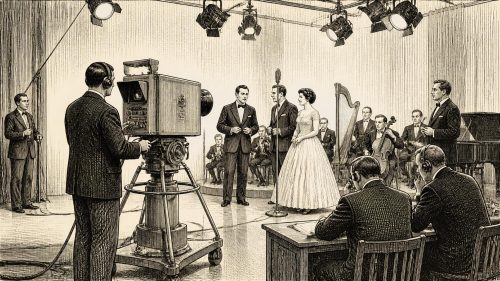
In 1961, Ireland remained rural, economically dependent on Britain and affected by emigration, as the census population fell to 2,818,341. Seán Lemass's government pursued modernisation through legislation, industrial development and outward-looking trade policy. Fianna Fáil retained office after October's general election but lacked a majority, leaving Lemass dependent on a narrow Dáil vote. Ireland applied to join the European Economic Community, chiefly to protect trade links and agricultural exports amid Britain's application. In Katanga, Commandant Pat Quinlan's A Company fought at Jadotville, surrendered after isolation, and returned from captivity. Telefís Éireann's inaugural broadcast on 31 December marked a new medium.
Read Article

Archived: 8 October 2026
Abstract
In 1955, Ireland faced emigration, unemployment and rural decline under John A. Costello’s coalition government, despite claims of economic improvement. Farmers established the National Farmers’ Association in Dublin, seeking stronger influence over agricultural policy. Ireland joined the United Nations on 14 December, gaining an independent diplomatic platform while retaining neutrality and confronting partition. The BBC’s Divis transmitter introduced television broadcasting to Northern Ireland, extending media connections across the island. Radio Éireann launched its first soap opera, theatre provoked controversy and presented Beckett, and fire destroyed Cork Opera House. The year balanced domestic insecurity, institutional development, cultural change and international assertion.
Read Article

Archived: 8 October 2026
Abstract
In 1948, Fianna Fáil lost its Dáil majority after sixteen years, enabling John A. Costello to lead the First Inter-Party Government, supported by Clann na Poblachta, Labour and others. The coalition addressed post-war housing, welfare, health, employment and agricultural trade, while Ireland joined European recovery co-operation and concluded a British trade agreement. Costello’s September Canadian announcement preceded the Republic of Ireland Act, enacted in December. Although effective only in 1949, it repealed the External Relations Act, ended the Crown’s remaining external role and authorised presidential functions. Partition remained unchanged, while An Taisce’s foundation and Olympic return suggested national civic renewal.
Read Article
Archived: 9 October 2026
Abstract
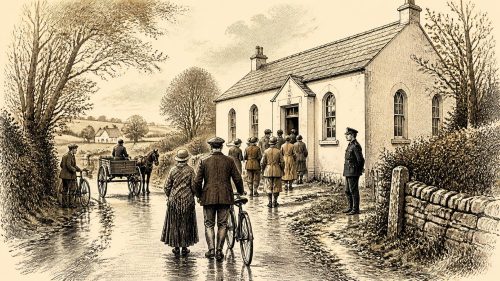
In 1927, Irish Free State politics moved decisively towards parliamentary competition. Fianna Fáil won 44 seats in June but initially refused the Oath of Allegiance. Kevin O’Higgins’s assassination at Booterstown exposed continuing republican violence, prompting the Public Safety Act. In August, de Valera and his deputies entered the Dáil, treating the oath as a political formula; September’s election established Fianna Fáil as the principal opposition. Government advanced land reform, liquor regulation, jury law and electrification. Partition remained entrenched, while diplomatic activity strengthened international status. Joyce’s Pomes Penyeach reflected Irish culture’s international reach. Unresolved divisions remained, but conflict shifted towards elections.
Read Article
Archived: 9 October 2026
Abstract
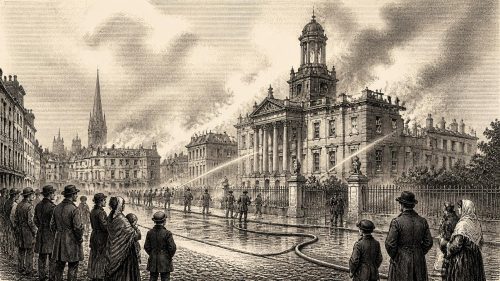
In 1920, Ireland’s political crisis widened into conflict across elections, workplaces, civic institutions and homes. Sinn Féin and Labour gained local authority, helping Dáil Éireann establish parallel courts, finance and propaganda, while Britain answered with emergency powers, troops, Black and Tans and Auxiliaries. IRA attacks, reprisals and executions, including Kevin Barry’s, intensified war. Cork symbolised the crisis through Tomás MacCurtain’s murder, Terence MacSwiney’s hunger-strike death and the city’s burning. Bloody Sunday and Kilmichael deepened violence. Labour resistance exposed regional divisions. Sectarian expulsions in Belfast accompanied the Government of Ireland Act, which legislated partition, shaping the 1921 truce and eventual negotiations.
Read Article
Archived: 9 October 2026
Abstract
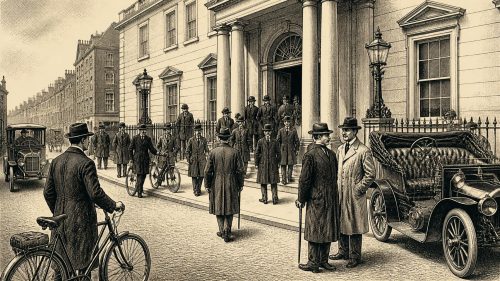
In 1919, Sinn Féin MPs established Dáil Éireann at Dublin’s Mansion House, declaring independence, adopting a Democratic Programme and claiming authority denied by Britain. The same day, the Soloheadbeg ambush killed two policemen, signalling escalating conflict. De Valera’s escape, presidency and mission strengthened republican propaganda and fundraising. The Dáil developed ministries, a loan, publicity and courts, aided by Cumann na mBan, despite proscription. Limerick’s permit strike demonstrated labour resistance. British repression accompanied plans for separate parliaments, foreshadowing partition. By December, the attempted assassination of Lord French highlighted violence. Ireland ended with rival British and republican authorities, amid hardship and uncertainty.
Read Article




