
Archived: 26 September 2026
Abstract
Ireland’s 2025 combined economic strength with social and infrastructural pressures. Micheál Martin returned as Taoiseach, leading a Fianna Fáil–Fine Gael coalition supported by independents, which prioritised housing, services, security and competitiveness. Ireland pursued prominent legal and diplomatic action concerning Gaza, while Shared Island and research funding encouraged practical north–south cooperation. Population growth, employment and tax revenues intensified demand for homes, schools and healthcare. Housing completions rose, alongside a new long-term building plan and planning reforms. Cultural and language initiatives continued. Storm Éowyn caused severe disruption, and an exceptionally warm year highlighted climate risks. Dependence on multinational corporation tax remained vulnerability.
Read Article

Archived: 26 September 2026
Abstract
In 2020, Ireland experienced political realignment, pandemic emergency and Brexit transition. February’s inconclusive election saw Sinn Féin lead first-preference votes, Fianna Fáil win most seats, and caretaker Taoiseach Leo Varadkar govern until Fianna Fáil, Fine Gael and Greens formed an unprecedented coalition under Micheál Martin in June. COVID-19 transformed daily life: closures, lockdowns, the two-kilometre exercise rule, remote work and restricted funerals accompanied 1,928 deaths. Schools adopted remote teaching and calculated Leaving Certificate grades; emergency payments addressed severe job losses amid housing pressure. Northern Ireland restored devolution; Brexit ended in EU-UK trade agreement; Ireland returned to Level 5 awaiting vaccination.
Read Article

Archived: 26 September 2026
Abstract
Ireland’s 2016 combined the Easter Rising centenary with political fragmentation and Brexit uncertainty. After an inconclusive election, Enda Kenny led a Fine Gael minority government sustained by Fianna Fáil confidence and supply, amid disputes over water charges, housing and public services. Inclusive commemorations at the GPO, Kilmainham and elsewhere examined 1916’s contested legacy. Britain’s EU withdrawal vote revived concerns about the border, trade, the Common Travel Area and the peace process. Economic recovery, falling unemployment and immigration coincided with homelessness and housing shortages. Ireland challenged the European Commission’s Apple tax ruling, established a Citizens’ Assembly, and joined the Paris Agreement.
Read Article
Archived: 26 September 2026
Abstract
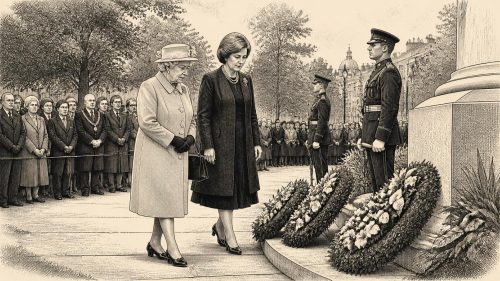
In 2011, Ireland underwent political, economic and social upheaval. Fine Gael and Labour replaced Fianna Fáil after an election dominated by the banking crisis, EU–IMF programme, austerity, unemployment and emigration. Census 2011 recorded a growing, increasingly diverse population. Civil partnership commenced, extending legal recognition to same-sex couples. Queen Elizabeth II’s State visit, including Croke Park, and Barack Obama’s visit to Moneygall symbolised reconciliation and international connection, although dissident violence persisted in Northern Ireland. The Cloyne report exposed grave failures over clerical abuse allegations, damaging institutional trust. Michael D. Higgins became President, promising ethical citizenship and solidarity amid continuing national hardship.
Read Article

Archived: 26 September 2026
Abstract
In 2007, Northern Ireland’s devolved government returned, with DUP leader Ian Paisley and Sinn Féin’s Martin McGuinness jointly heading an Executive, turning power-sharing into practical administration. In the Republic, Bertie Ahern won a third election and formed a coalition with the Greens and Progressive Democrats amid Celtic Tiger prosperity. However, cooling house prices and reliance on construction exposed economic vulnerability. Census results highlighted immigration, changing households and religious diversity, while Irish gained EU official-language status. Corrib gas protests, scrutiny of Ahern’s finances and criminal-justice legislation raised questions of trust and authority. Cultural initiatives and smoke-free rules reflected wider social change.
Read Article
Archived: 26 September 2026
Abstract
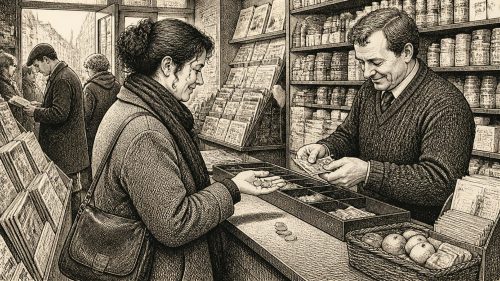
In 2002, euro notes and coins replaced the Irish pound, symbolising deeper European integration. Ireland’s Celtic Tiger economy remained strong in GDP terms, but weak GNP growth exposed dependence on foreign-owned firms. Census results recorded rapid population growth, immigration and Dublin-centred expansion, straining housing and services. Voters rejected tighter abortion provisions but approved the Nice Treaty, enabling EU enlargement. Bertie Ahern’s coalition won re-election. Clerical abuse controversies intensified scrutiny of Church authority. Northern Ireland’s institutions faltered despite IRA decommissioning, leading to suspension of devolved government. Ireland’s World Cup run provided national unity amid profound wider social, economic and constitutional change.
Read Article

Archived: 26 September 2026
Abstract
In 1989, Ireland combined tentative recovery with enduring social and political strain. Fianna Fáil, short of a majority after June’s election, formed its first coalition, with the Progressive Democrats. Judicial separation legislation modernised family law without legalising divorce. Social partnership, European structural funding and Intel’s Leixlip investment signalled economic change, although unemployment and emigration remained severe. Northern Ireland endured killings, including Patrick Finucane’s murder and the IRA attack on two RUC officers, while Peter Brooke acknowledged military means alone could not end conflict. Three Irish UN soldiers died in Lebanon. Ireland’s football team qualified for its first World Cup finals.
Read Article

Archived: 26 September 2026
Abstract
In 1987, Fianna Fáil returned under Charles Haughey as a minority government after the collapse of the Fine Gael–Labour coalition, amid severe unemployment, debt and emigration. Ray MacSharry’s budget imposed spending restraint, while the Programme for National Recovery inaugurated social partnership. In Crotty v An Taoiseach, the Supreme Court required popular approval for elements of the Single European Act; voters subsequently passed the Tenth Amendment. Northern Ireland remained scarred by conflict, including the Loughgall ambush and the IRA’s Enniskillen bombing, which killed eleven civilians. Johnny Logan’s Eurovision victory and Seamus Heaney’s The Haw Lantern provided notable cultural moments that year.
Read Article
Archived: 26 September 2026
Abstract
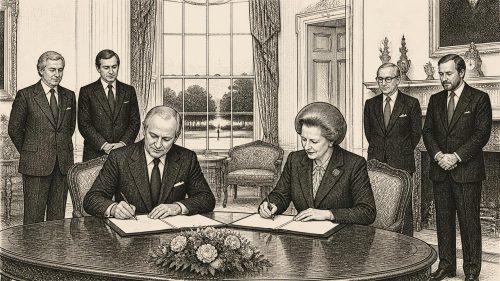
In 1985, the Anglo-Irish Agreement, signed by Garret FitzGerald and Margaret Thatcher at Hillsborough, created a permanent consultative role for Dublin in Northern Ireland affairs while confirming majority consent for constitutional change. It offered constitutional nationalists progress but provoked unionist protest and Fianna Fáil opposition. Violence continued, including major IRA attacks and the killing of a Garda officer. Sinn Féin advanced electorally and revised its Dáil abstention policy. The Republic faced severe unemployment and emigration, alongside the Progressive Democrats’ foundation and liberalised contraception law. Religious controversy, theatre, U2’s Croke Park concert and Cork 800 reflected changing national identities amid hardship.
Read Article
Archived: 26 September 2026
Abstract
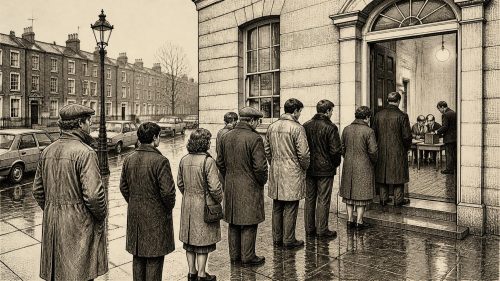
In 1982, Ireland endured two general elections, the collapse of governments and changes between Charles Haughey and Garret FitzGerald amid recession, unemployment, borrowing and tax protests. Haughey’s precarious minority relied on Tony Gregory’s inner-city development agreement before losing confidence; the MacArthur affair and telephone-tapping allegations further damaged public trust. Northern Ireland elected a Stormont Assembly, but nationalist boycotts limited its legitimacy as violence continued, including fatal bombings in London and Ballykelly. Social change included abolition of school corporal punishment and Dublin’s first crematorium. Constitutional debate on abortion intensified, while cultural, neutrality and Falklands issues underscored unresolved political divisions across Ireland.
Read Article
Archived: 8 October 2026
Abstract
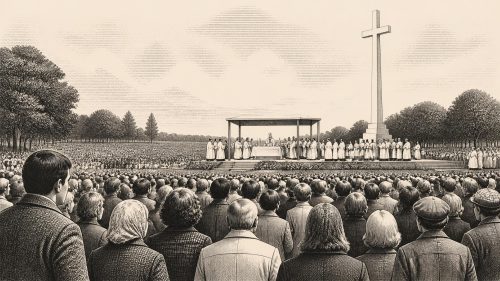
In 1979, Ireland confronted industrial disaster, political change, social reform, European integration and Troubles violence. The Betelgeuse explosion at Whiddy Island killed fifty people, exposing risks associated with oil trade. Ireland joined the European Monetary System, elected its first directly elected MEPs and hosted the European Council. Jack Lynch resigned, succeeded by Charles Haughey, whose cabinet included Máire Geoghegan-Quinn. Legislation established Údarás na Gaeltachta and cautiously legalised family planning. IRA attacks killed Lord Mountbatten and eighteen soldiers at Warrenpoint. Pope John Paul II’s visit, altered by security concerns, included an appeal for peace, encapsulating a modernising, divided and unsettled Ireland.
Read Article

Archived: 8 October 2026
Abstract
In 1978, Jack Lynch’s Fianna Fáil government pursued expansionary policies, abolishing domestic rates while increasing borrowing amid unemployment and inflation. Its dismissal of Garda Commissioner Edmund Garvey was ruled invalid, raising concerns about policing and due process. Ireland chose to join the European Monetary System, loosening its automatic link with sterling. Northern Ireland endured violence, including the La Mon bombing, while the Maze dirty protest intensified and Ireland won a human-rights case against Britain. RTÉ 2 began broadcasting, John Treacy won the World Cross Country Championship, and Munster’s 12–0 victory over the All Blacks provided a lasting symbol of confidence.
Read Article
Archived: 8 October 2026
Abstract
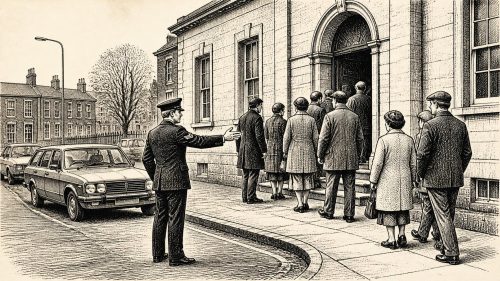
In 1977, Fianna Fáil won a record general-election landslide, giving Jack Lynch a nine-seat Dáil majority after campaigning on tax relief, rates abolition and jobs amid inflation and unemployment. Employment equality and youth-work laws strengthened workplace protections. Northern Ireland, under direct rule, remained marked by violence, prison protest and communal division. Ian Paisley’s loyalist-backed May strike, seeking tougher security and majority-rule devolution, failed despite recalling 1974. British authorities maintained services and opposed intimidation. International attention included Jimmy Carter’s policy statement, Lynch’s talks with James Callaghan, and the Nobel Peace Prize for Betty Williams and Mairead Corrigan. Sport remained culturally significant.
Read Article
Archived: 8 October 2026
Abstract
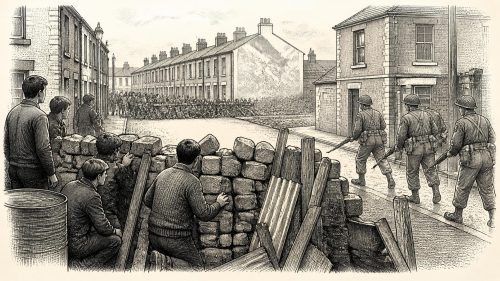
In 1969 civil-rights protests against discrimination in Northern Ireland escalated from the Burntollet attack into communal violence. Reform measures, including universal local-government suffrage, failed to restore confidence, while O’Neill resigned and Chichester-Clark succeeded him. August riots produced the Battle of the Bogside, killings, arson and displacement in Derry and Belfast. British troops deployed, initially welcomed by some Catholics, and Belfast’s peace line embodied deepening segregation. Inquiries urged policing reform and abolition of B-Specials, but loyalist resistance continued. Dublin, strengthened by Fianna Fáil’s election victory, addressed the crisis while pursuing development and EEC membership. The IRA split, confirming a political landscape.
Read Article
Archived: 8 October 2026
Abstract
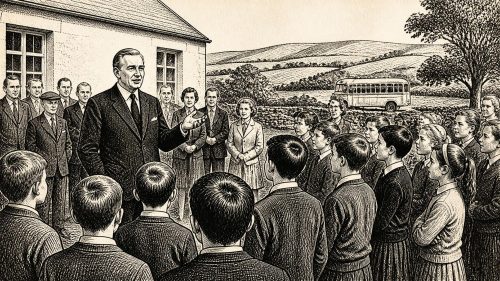
During 1966, Ireland marked the Easter Rising’s fiftieth anniversary with major ceremonies, the Garden of Remembrance’s opening, and the destruction of Nelson’s Pillar. A census recorded population growth and continuing urbanisation, while the Anglo-Irish Free Trade Area signalled export-oriented economic policy despite farmers’ protests over low incomes. Education Minister Donogh O’Malley promised free post-primary schooling and transport from 1967. Seán Lemass resigned as Taoiseach and Jack Lynch succeeded him. De Valera began another presidential term. In Northern Ireland, competing commemorations, UVF violence, sectarian murders and political tensions foreshadowed the coming conflict, underscoring Ireland’s unresolved division amid social and economic change.
Read Article
Archived: 8 October 2026
Abstract
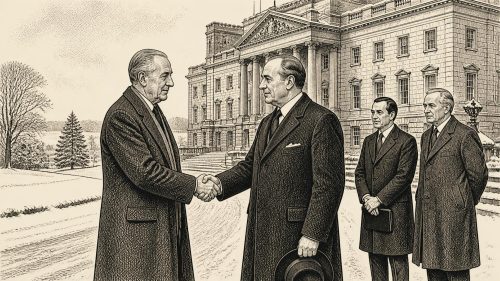
In 1965, Ireland cautiously embraced modernisation while enduring emigration, rural decline and cultural conservatism. Taoiseach Seán Lemass’s unprecedented Stormont meeting with Terence O’Neill opened limited North–South co-operation, followed by O’Neill’s Dublin visit. Casement’s repatriation symbolised improving Anglo-Irish relations. Fianna Fáil retained power in a television-covered election, while the Anglo-Irish Free Trade Area Agreement signalled departure from protectionism despite fears over employment. Legal reforms addressed land and inheritance; vernacular Mass and Galway Cathedral reflected changing Catholic life. Eurovision, the Young Scientist Exhibition and literary events demonstrated wider connections, although a newspaper strike and GAA restrictions exposed persistent constraints within Irish society.
Read Article
Archived: 8 October 2026
Abstract
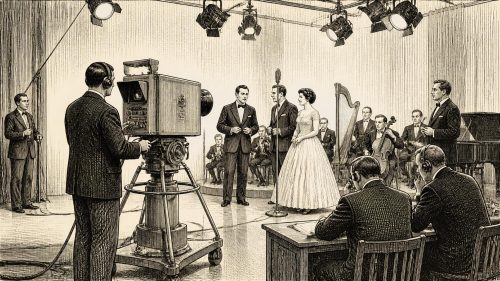
In 1961, Ireland remained rural, economically dependent on Britain and affected by emigration, as the census population fell to 2,818,341. Seán Lemass's government pursued modernisation through legislation, industrial development and outward-looking trade policy. Fianna Fáil retained office after October's general election but lacked a majority, leaving Lemass dependent on a narrow Dáil vote. Ireland applied to join the European Economic Community, chiefly to protect trade links and agricultural exports amid Britain's application. In Katanga, Commandant Pat Quinlan's A Company fought at Jadotville, surrendered after isolation, and returned from captivity. Telefís Éireann's inaugural broadcast on 31 December marked a new medium.
Read Article

Archived: 8 October 2026
Abstract
In 1959 Éamon de Valera left the Taoiseachship to become Ireland’s third president after defeating Seán Mac Eoin, while Seán Lemass succeeded him without an election. A simultaneous referendum to replace proportional representation was rejected. Lemass inherited emigration, unemployment and rural decline, but advanced economic expansion, industrial exports, infrastructure and skills training, including the Apprenticeship Act. Trade unions reunited as the all-island Irish Congress of Trade Unions. The IRA Border Campaign continued amid weak republican electoral support. Cultural life featured John B. Keane’s Sive and George Morrison’s Mise Éire. The year combined revolutionary memory and partition with tentative social modernisation.
Read Article
Archived: 8 October 2026
Abstract
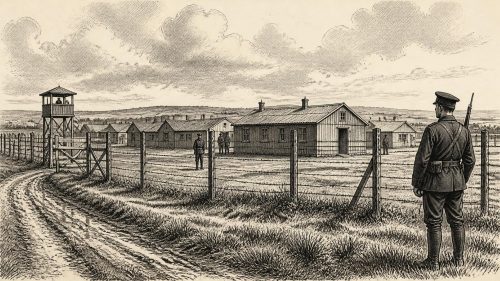
In 1957, Ireland faced economic decline, emigration and renewed border violence. The IRA’s failed Brookeborough attack killed Seán South and Fergal O’Hanlon, while subsequent violence prompted de Valera’s Fianna Fáil government, elected in March, to intern republicans at the Curragh. Despite constitutional commitment to unity, Dublin prioritised state authority. T. K. Whitaker’s analysis of protectionism, weak exports and unemployment initiated preparation for economic reform, alongside IMF and World Bank membership. Social legislation addressed health insurance, mental treatment, married women’s legal status and Gaeltacht employment. The Fethard-on-Sea boycott exposed religious intolerance, while theatre censorship and railway closures reflected rural contraction nationwide.
Read Article

Archived: 8 October 2026
Abstract
In 1951, Noel Browne’s resignation over the Mother and Child Scheme exposed conflicts between social reform, Catholic authority, medical interests and governmental caution. The inter-party government then fell amid agricultural disputes; May’s election returned Fianna Fáil as largest party, enabling Éamon de Valera to lead a minority administration. The census recorded 2,960,593 people, as emigration largely offset natural increase amid economic insecurity. Welfare pensions rose, agricultural workers gained half-holidays, and electrification and peat development continued. The Arts Act established An Chomhairle Ealaíon. In Northern Ireland’s Westminster poll, Unionists retained dominance despite Nationalist victories and a narrowly contested West Belfast seat.
Read Article

Archived: 8 October 2026
Abstract
In 1947, severe winter weather, poor harvests and continuing rationing exposed Ireland’s dependence on imported coal, disrupted transport and worsened rural fodder shortages. Food controls deepened hardship for households. Against this hardship, Oldtown became the first Irish village publicly connected under the Rural Electrification Scheme, signalling gradual modernisation. The Health Act reorganised public-health administration, while James Larkin’s death recalled labour struggles. Clann na Poblachta’s by-election successes challenged Fianna Fáil. Shannon gained customs-free status, the Enterprise Express linked Belfast and Dublin, and UN membership was vetoed. Cultural landmarks included Cork Ballet Group’s debut and Cavan’s All-Ireland football victory in New York.
Read Article
Archived: 8 October 2026
Abstract
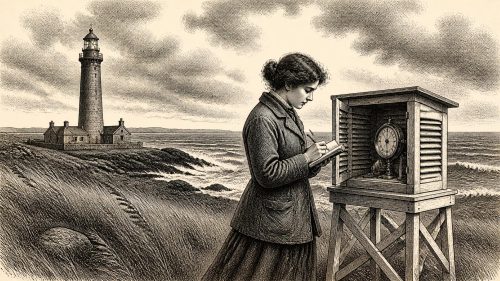
During 1944, neutral Ireland endured Emergency shortages, rationing and transport disruption while remaining strategically entangled in the war. At Blacksod Point, Maureen Flavin’s weather observations assisted Allied forecasting before the Normandy landings, illustrating neutrality’s limits. De Valera rejected Allied demands to expel Axis diplomats, defending sovereignty amid espionage concerns and partition. Fianna Fáil won a Dáil majority in May. Children’s allowances began in August, easing family pressures. December’s Transport Act prepared Córas Iompair Éireann, while the Abbey staged Joseph Tomelty’s Belfast-set play, The End House. The year combined democratic continuity, cautious social reform and preparations for postwar reconstruction across Ireland.
Read Article

Archived: 8 October 2026
Abstract
In 1943, neutral Ireland faced the Second World War’s political, economic and human pressures. A wartime election left Éamon de Valera’s Fianna Fáil governing without a majority, while Labour advanced and Oliver Flanagan’s antisemitic maiden speech exposed prejudice. Emergency legislation, censorship and diplomacy defended neutrality amid Allied pressure and partition. War reached Donegal when a mine killed eighteen at Ballymanus, and U-607 sank the marked Irish Oak, though its crew survived. Rationing, compulsory tillage and fuel shortages burdened households and commerce. In December, the coaster Kerlogue rescued 168 German sailors in the Bay of Biscay, clearly demonstrating neutrality’s humanitarian responsibilities.
Read Article

Archived: 9 October 2026
Abstract
In 1939, Ireland faced both European war and republican militancy. The Government strengthened internal security through the Offences Against the State Act, while air-raid precautions reflected fears of attack. Following Germany’s invasion of Poland, constitutional amendments and the Emergency Powers Act enabled neutral Ireland to regulate security, supplies and communications. Dublin denied belligerents use of its territory and ports, despite British pressure, asserting sovereignty after the Treaty Ports’ return. Northern Ireland entered the war with Britain, underscoring partition’s consequences. Refugee appeals highlighted Nazi persecution. The December IRA raid on Dublin’s Magazine Fort demonstrated that armed challenges to State authority persisted.
Read Article
Archived: 9 October 2026
Abstract
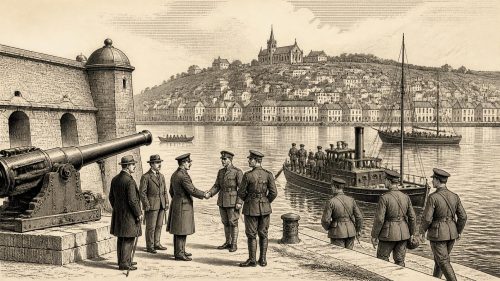
In 1938, the new Constitution acquired practical force as Ireland developed its institutions and position. Douglas Hyde, cultural revivalist and Church of Ireland scholar, became first President, symbolising an inclusive national identity, though disputes persisted. April agreements ended the Economic War: Ireland paid £10 million, Britain removed special duties, and the Treaty Ports at Cork Harbour, Berehaven and Lough Swilly returned to Irish control. Fianna Fáil then won an overall majority. Labour legislation addressed shop workers’ conditions, but poverty, emigration and agricultural dependence continued. Partition remained unchanged despite discussions with Britain and Northern Ireland, while port recovery strengthened future neutrality.
Read Article
Archived: 9 October 2026
Abstract
In 1937, Éamon de Valera’s government drafted, debated and submitted a Constitution to voters, replacing much of the Irish Free State’s imperial framework. Approved by the Dáil and endorsed in the 1 July plebiscite by 685,105 votes to 526,945, it came into force on 29 December, naming the State Éire/Ireland. It established the presidency, Taoiseach, reconstituted Seanad and Supreme Court, while asserting an all-island claim. Its Catholic-inflected provisions on religion and family prompted criticism. Fianna Fáil retained power without a majority. Amid poverty, emigration and dependence on Britain, legislation addressed housing and welfare, while Spain and insecurity shaped foreign policy.
Read Article
Archived: 9 October 2026
Abstract
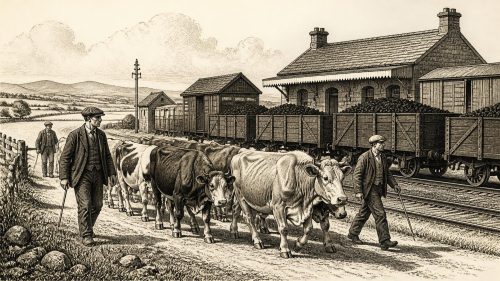
In 1935, the Irish Free State pursued autonomy amid economic hardship and the continuing Anglo-Irish Economic War. The Coal–Cattle Pact expanded cattle exports to Britain in return for coal purchases, easing but not resolving agricultural distress. Citizenship legislation and constitutional planning strengthened state identity, while laws regulating dance halls, contraception, labour and agricultural production extended official control. Interventionist measures addressed bacon, dairy, transport and employment, yet emigration and insecurity persisted. Belfast’s July sectarian riots, causing ten deaths, revealed partition’s instability; Carson’s funeral affirmed unionism. At Geneva, de Valera supported League collective security during Italy’s Abyssinia crisis, demonstrating Ireland’s international ambitions.
Read Article

Archived: 9 October 2026
Abstract
During 1934, de Valera’s Free State confronted Blueshirt militancy by restricting political uniforms, while seeking unsuccessfully to abolish the Seanad. The Economic War strained rural Ireland, contributing to violence at Cork’s Copley Street cattle sale, though December’s cattle-and-coal agreement provided limited relief without ending the dispute. Republican Congress emerged at Athlone, linking independence with socialism, but rapidly divided. In Northern Ireland, Craigavon’s declaration of a Protestant state highlighted entrenched Unionist dominance, alongside civic developments including Belfast Zoo. Cultural life included Man of Aran, Dublin’s Theatre Royal closure, a newspaper strike, and Adolf Mahr’s National Museum directorship, reflecting contested Irish identities.
Read Article
Archived: 9 October 2026
Abstract
In 1933 Fianna Fáil secured a Dáil majority, enabling Éamon de Valera’s government to pursue a stronger interpretation of Irish self-government. The Constitution (Removal of Oath) Act ended compulsory parliamentary declarations involving the Crown and repealed the Treaty’s overriding constitutional status, though Ireland remained short of a republic. Anglo-Irish conflict over land annuities continued to damage agricultural exports during the Economic War. Protectionist measures promoted cereals, industrial credit and sugar production, while land reform and unemployment assistance expanded state intervention. Government suppression of Blueshirt mobilisation preceded Fine Gael’s formation. Meanwhile, Northern Ireland’s Unionist administration remained firmly entrenched, underscoring partition’s persistence.
Read Article
Archived: 9 October 2026
Abstract
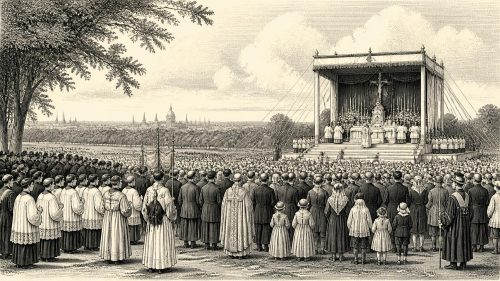
In 1932 Fianna Fáil, led by Éamon de Valera, replaced Cumann na nGaedheal through constitutional politics, marking peaceful anti-Treaty accession to Free State power. The government challenged Treaty symbols, introduced oath-removal legislation, and withheld land annuities, provoking Britain’s tariffs and the Economic War. Dublin’s International Eucharistic Congress displayed Catholic confidence, while de Valera enhanced standing at the League of Nations and Irish athletes won Olympic gold. In Northern Ireland, Stormont’s opening embodied unionist permanence. Simultaneously, Belfast outdoor-relief protests briefly united Catholic and Protestant workers against depression, securing improved payments amid police repression. Partition, hardship, sovereignty and divergent cultures remained unresolved.
Read Article




