

Related Archive: Irish Literary Theatre

Rotunda, Ratebooks and Veld

Rotunda, Ratebooks and Veld

Archived: 9 October 2026

Abstract

In 1899, Ireland saw institutional, cultural and political developments without resolving its constitutional future. Elections under the Local Government Act replaced grand-jury administration with elected county, rural and urban councils, widening participation though property restrictions remained. The Agriculture and Technical Instruction Act created a department to promote farming, fisheries, industry and education, associated with Horace Plunkett’s cooperative ideas. Dublin’s Irish Literary Theatre inaugurated productions amid controversy, while the Gaelic League’s Oireachtas demonstrated language-revival organisation. The Second Boer War exposed divided loyalties: Irish people served Britain, whereas nationalists supported the Boers. Together, these changes expanded Irish public life, debate and organisation.

Read Article

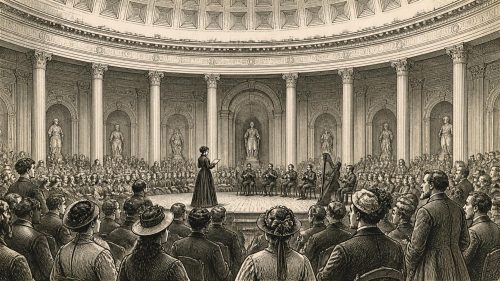
Rotunda’s First Oireachtas

Rotunda’s First Oireachtas

Archived: 9 October 2026

Abstract

In 1897, Ireland remained under the Union, with Home Rule stalled and nationalist parliamentary strength weakened after Parnell. Debate increasingly focused on prospective local-government reform, while Victoria’s Diamond Jubilee exposed competing loyalist, nationalist, republican and socialist allegiances. Cultural nationalism gained durable institutions: Gaelic League held first Oireachtas at Dublin’s Rotunda, and first Feis Ceoil promoted musical cultivation. Yeats, Lady Gregory and Edward Martyn planned an Irish Literary Theatre, while Bram Stoker published Dracula. Rural life depended on land and British markets; Horace Plunkett advanced agricultural co-operation. Anti-jubilee protests, cultural initiatives and practical reform reflected an increasingly organised, diverse national life.

Read Article

