Archived: 8 October 2026
Abstract
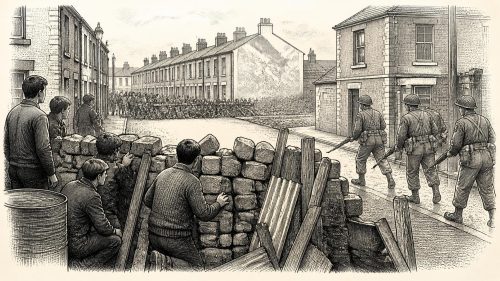
In 1969 civil-rights protests against discrimination in Northern Ireland escalated from the Burntollet attack into communal violence. Reform measures, including universal local-government suffrage, failed to restore confidence, while O’Neill resigned and Chichester-Clark succeeded him. August riots produced the Battle of the Bogside, killings, arson and displacement in Derry and Belfast. British troops deployed, initially welcomed by some Catholics, and Belfast’s peace line embodied deepening segregation. Inquiries urged policing reform and abolition of B-Specials, but loyalist resistance continued. Dublin, strengthened by Fianna Fáil’s election victory, addressed the crisis while pursuing development and EEC membership. The IRA split, confirming a political landscape.
Read Article

Archived: 8 October 2026
Abstract
In 1968, Northern Ireland’s civil-rights movement mobilised grievances over housing, employment, gerrymandering, policing and restricted local voting. Austin Currie’s Caledon protest, marches at Dungannon and Derry, and police violence against the banned 5 October Duke Street demonstration brought televised images to audiences across Ireland and Britain. Student activism produced People’s Democracy, while Terence O’Neill’s government offered reforms, though divisions within unionism and campaigners’ dissatisfaction persisted. In the Republic, voters rejected constitutional changes to electoral arrangements. Educational grants and student protests reflected wider social change, while Humanae Vitae intensified debate over contraception, conscience and Church authority in Irish society and politics.
Read Article
Archived: 9 October 2026
Abstract
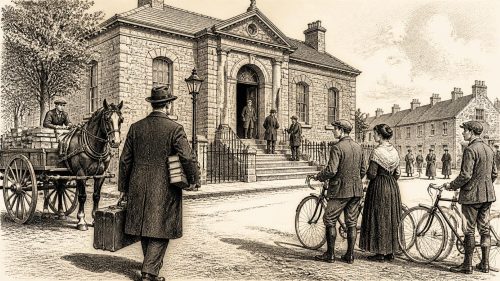
In 1930, the Irish Free State combined consolidation with unresolved social and economic strains. Its election to the League of Nations Council asserted an independent diplomatic role, while John Dulanty’s London appointment strengthened relations with Britain. Cosgrave’s government and Fianna Fáil maintained parliamentary rivalry, passing measures on constitutional procedure, monuments, pensions and administration. Mayo’s rejection of Protestant librarian Letitia Dunbar-Harrison exposed religious prejudice, cultural nationalism and conflict between local and central authority. Falling agricultural export values revealed dependence on British markets as depression advanced. Northern industry suffered unemployment. Cultural developments included Beckett’s Whoroscope and film censorship, highlighting creativity and regulation.
Read Article
Archived: 9 October 2026
Abstract
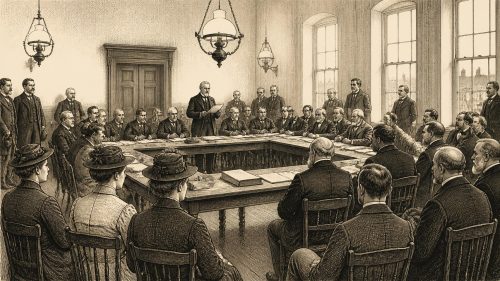
In 1899, Ireland saw institutional, cultural and political developments without resolving its constitutional future. Elections under the Local Government Act replaced grand-jury administration with elected county, rural and urban councils, widening participation though property restrictions remained. The Agriculture and Technical Instruction Act created a department to promote farming, fisheries, industry and education, associated with Horace Plunkett’s cooperative ideas. Dublin’s Irish Literary Theatre inaugurated productions amid controversy, while the Gaelic League’s Oireachtas demonstrated language-revival organisation. The Second Boer War exposed divided loyalties: Irish people served Britain, whereas nationalists supported the Boers. Together, these changes expanded Irish public life, debate and organisation.
Read Article
Archived: 9 October 2026
Abstract
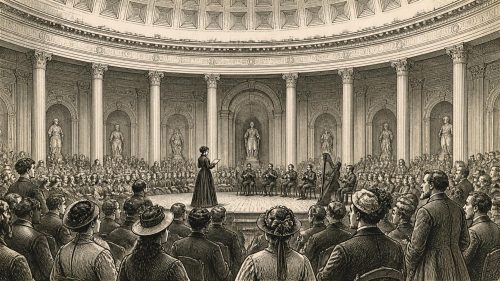
In 1897, Ireland remained under the Union, with Home Rule stalled and nationalist parliamentary strength weakened after Parnell. Debate increasingly focused on prospective local-government reform, while Victoria’s Diamond Jubilee exposed competing loyalist, nationalist, republican and socialist allegiances. Cultural nationalism gained durable institutions: Gaelic League held first Oireachtas at Dublin’s Rotunda, and first Feis Ceoil promoted musical cultivation. Yeats, Lady Gregory and Edward Martyn planned an Irish Literary Theatre, while Bram Stoker published Dracula. Rural life depended on land and British markets; Horace Plunkett advanced agricultural co-operation. Anti-jubilee protests, cultural initiatives and practical reform reflected an increasingly organised, diverse national life.
Read Article
Archived: 9 October 2026
Abstract
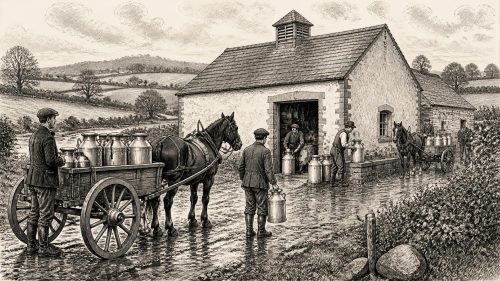
Amid stalled Home Rule and unresolved land grievances, 1894 saw Ireland develop new forms of collective organisation. Gladstone’s resignation, the Lords’ rejection of Home Rule and the Evicted Tenants Bill, and the Irish Parliamentary Party split exposed constitutional nationalism’s weakness, while a financial-relations commission acknowledged fiscal concerns. Administrative shortcomings persisted, including local democracy and poor-rate oversight. In April Horace Plunkett’s Irish Agricultural Organisation Society began coordinating rural co-operation, promoting creameries, collective marketing and expertise. Dublin’s Irish Trades Union Congress and May Labour Day demonstration gave organised workers a forum. Compulsory school attendance expanded unevenly, while Æ’s poetry reflected cultural revival.
Read Article
Archived: 10 October 2026
Abstract
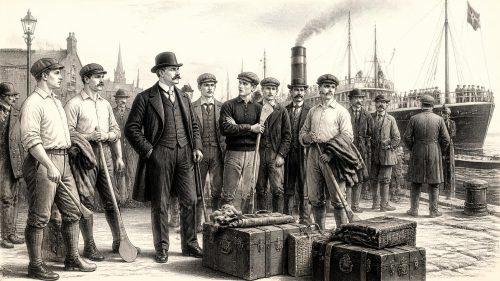
In 1888 Ireland faced coercion, agrarian conflict and scrutiny of constitutional nationalism. The Special Commission investigated allegations against Charles Stewart Parnell and Irish MPs, while the Plan of Campaign provoked prosecutions, evictions and papal condemnation. Local government reform failed, leaving Ireland without elected county councils. Meanwhile, Horace Plunkett promoted co-operation, Christian Brothers College opened in Cork, and W. B. Yeats published Fairy and Folk Tales of the Irish Peasantry. Maurice Davin led Gaelic Athletic Association athletes to America, promoting hurling among emigrants despite financial difficulties. These developments demonstrated continuing struggles over political representation, land, religion, culture and Irish institutional independence.
Read Article
Archived: 10 October 2026
Abstract
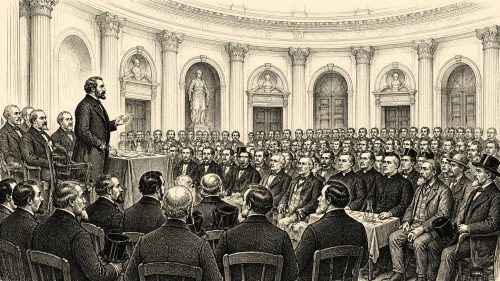
In 1873, Gladstone’s failed University Education (Ireland) Bill exposed divisions over denominational higher education, destabilised his ministry, and left Catholic demands unmet despite liberalising Trinity restrictions. The controversy strengthened Isaac Butt’s case for domestic self-government. At Dublin’s Rotunda, delegates transformed the Home Government Association into the Irish Home Rule League, seeking an Irish legislature within the United Kingdom and Empire. Land insecurity, emigration and unequal rural wealth persisted despite livestock-based agriculture and limited tenant protections. Railway, drainage, poor-law and sanitary reforms signalled uneven modernisation. The opening of St Eugene’s Cathedral in Derry reflected Catholic institutional confidence amid continuing sectarian tensions.
Read Article

Archived: 14 October 2026
Abstract
In 1688, James II’s Irish government under Tyrconnell expanded Catholic influence in administration and the army, intensifying Protestant fears over religion, land and political security. William of Orange’s invasion of England destabilised royal authority, while troop movements heightened anxiety in Ireland. On 7 December, Derry’s apprentice boys shut Ferryquay Gate against Antrim’s Catholic regiment, defying James’s government without yet declaring for William. Negotiations temporarily admitted Protestant troops and excluded Antrim’s men. Enniskillen also resisted a Jacobite garrison. These Ulster actions exposed weakening government control, encouraged Protestant defence, and established strategic, sectarian and political divisions that developed into the Williamite–Jacobite war.
Read Article




