Archived: 23 October 2026
Abstract
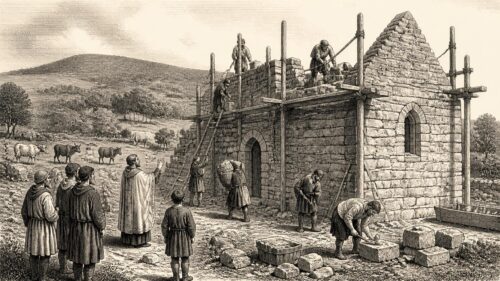
In 1343, Ireland saw shifting lordship, violence and religious investment. Toirrdelbach Ó Conchobair regained Connacht and made peace with Conchobar Mac Diarmata, while Clann Feorais and Clann Ricaird crushed Uí Maine, killing eleven Ó Ceallaigh princes. In Thomond, Diarmait Ó Briain briefly succeeded Muirchertach before Brian Bán seized power. In Tír Conaill, Aengus Ó Domhnaill displaced Niall through a broad coalition, granted land to exiles, and defeated his rival’s supporters. Deaths included nobles, churchmen and scholars. Kilronan received a new church, St Mary’s, Kilkenny, a belfry, and Boyle Abbey remained central to Mac Diarmata burials and succession during the year.
Read Article
Archived: 23 October 2026
Abstract
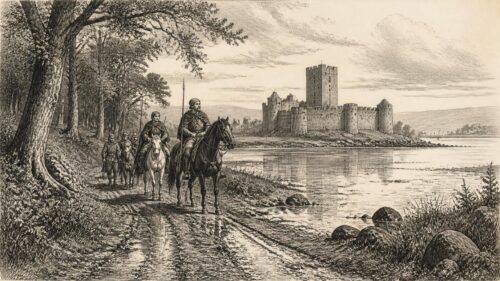
On 6 June 1333, William de Burgh, twenty-year-old earl of Ulster and lord of Connacht, was murdered near Carrickfergus by men associated with Ulster’s settler community. His death, following de Burgh family conflict, deprived vast, fragile lordships of an adult ruler. His widow fled to England with their infant heiress, while royal justice punished some killers but could not restore stability. Annals also record cattle-raiding, noble sureties, official campaigns and violence in Dublin, illustrating insecure aristocratic politics. The murder initiated divisions that later produced the Burke civil war and Mac William lordships, exposing limits of inherited power and English administration.
Read Article

Archived: 26 September 2026
Abstract
In 1217, Ireland was a fragile lordship governed for the child Henry III from Dublin, alongside powerful Anglo-Norman magnates and resilient Irish kingdoms. Royal orders promised liberties to loyal subjects, promoted markets, Waterford settlement, land claims, engineers, castle defence and exchequer control. Strategic tensions surrounded the Lacys, Carrickfergus and Carlingford. Government policy sought English dominance in senior church appointments, despite continuing local influence. Annals record Irish fishermen killed on Man, Anglo-Norman raiding near Armagh, retaliatory cattle seizures and a favourable harvest. Marriage, commerce, ecclesiastical links and maritime travel connected communities, but coercion, exclusion and contested authority exposed the Crown’s reach.
Read Article




