Archived: 23 October 2026
Abstract
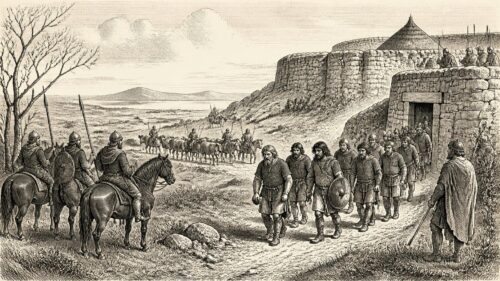
In 1336, Connacht remained fragmented after William de Burgh’s murder, as Gaelic and Anglo-Irish lords pursued raids, alliances and territorial advantage. Tomaltach Mac Diarmata of Moylurg died and was buried at Boyle Abbey, succeeded by Conchobar. Forces led by Toirrdelbach Ó Conchobair captured and destroyed Mac Goisdelb’s Great Castle, allowing its mercenary garrison safe departure. Ruaidhri Ó Ceallaigh, king of Uí Maine, was killed, while Toirrdelbach reshaped alliances through marriage. Edmund Mac William de Burgh was expelled. Warfare reached Tír Chonaill. Legal scholar Trinnoit Ó Naan died. Severe snow and frost devastated cattle and winter growth, straining communities across Ireland.
Read Article

Archived: 24 October 2026
Abstract
In 1303, Ireland contributed significantly to Edward I's Scottish campaign under Richard de Burgh, earl of Ulster, who led an estimated 3,000 Gaelic and Anglo-Irish troops. Their service demonstrated cross-channel aristocratic connections and required continued Irish administration, including replacement of absent officials and financial management. In Tír Conaill, Áed Ó Domnaill killed his brother Toirrdelbach after prolonged conflict, becoming lord amid widespread devastation. Church leadership also changed: Archbishop Nicholas Mac Maoil Íosa of Armagh and Bishop Máel Sechlainn Mac Briain of Elphin died, prompting succession processes. Despite uncertain annalistic dating, records portray Ireland as politically divided yet engaged with Britain.
Read Article
Archived: 25 October 2026
Abstract
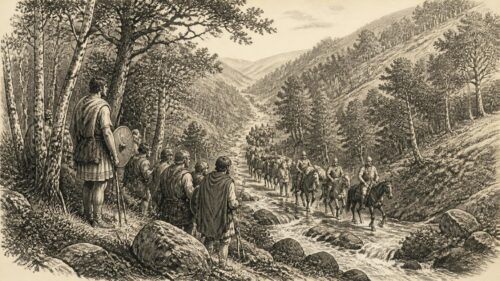
In 1276, Ireland remained politically fragmented, with English lordship dependent on local power, finance and force. In Connacht, rivalry between Tadc Ó Conchobair and Áed Muimnech produced alliances, burnings, cattle raids, recoveries and deaths, affecting wider lordly communities. In Wicklow, Geoffrey de Geneville’s expedition was defeated at Glenmalure by Art Mac Murchada, Gearóid Ó Broin and allies, demonstrating mountain resistance to Dublin’s authority. Edward I replaced Geneville with Robert de Ufford, whose government sought firmer control through administration, military spending and fortifications at Rindoon and Athlone. Possible Irish interest in English common law also exposed law as a negotiable privilege.
Read Article





