


Related Archive: County Kerry

Glorvina Enters Print

Glorvina Enters Print

Archived: 11 October 2026

Abstract

In 1806, five years after the Union, Ireland was governed increasingly through Westminster, while Catholic emancipation remained unrealised despite Lord Grenville’s sympathetic ministry. The United Kingdom election returned Irish MPs through restricted, patronage-driven constituencies, and wartime administration integrated Irish finance, trade and defence into imperial structures. Legislation regulated butter exports, excise, and charitable hospitals, illustrating expanding state oversight without comprehensive poor relief. Coastal defences reflected continuing fear of French invasion. Dublin retained elite social importance, marked by Arthur Wellesley’s marriage. Literary publishing proved significant: Sydney Owenson’s The Wild Irish Girl articulated Gaelic cultural survival, alongside satire and Ulster vernacular verse.

Read Article

Lixnaw’s Summer Defiance

Lixnaw’s Summer Defiance

Archived: 17 October 2026

Abstract

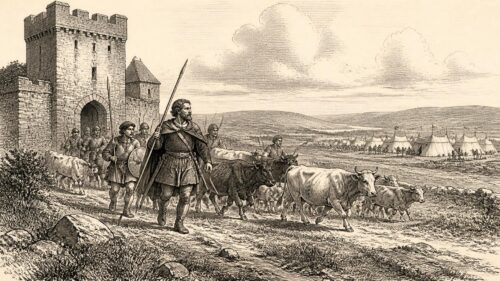
In 1568, Ireland experienced sharpening local conflicts as royal intervention, disputed land rights and absent lords weakened established authority. With the earl of Desmond imprisoned in England, James fitz Maurice unsuccessfully besieged Thomas Fitzmaurice at Lixnaw, where plunder, drought and shortages afflicted civilians and troops. Munster tensions grew through MacCarthy alliances and proposed English settlements. In Leinster, Sir Peter Carew’s successful Idrone claim and Edmund Butler’s estrangement foreshadowed revolt. Sir Henry Sidney pursued limited Ulster agreements, garrisons and transport schemes. Protestant church appointments likewise revealed the gap between crown ambition and practical control, anticipating conflicts in 1569 and subsequent upheavals.

Read Article

