Archived: 18 October 2026
Abstract
In 1529, local violence, succession and cautious royal intervention shaped Ireland. In Tír Chonaill, Manus Ó Domhnaill captured and demolished Castleforward after a Scottish MacDubhghaill was killed there, weakening a rival power centre amid family conflict. Annals recorded killings and feuds across Ulster, involving lords, clergy and ruling kindreds. James fitz Maurice FitzGerald, earl of Desmond, died without a legitimate son, succeeded by his elderly uncle Thomas, whose alliances helped secure Munster interests. Sir William Skeffington negotiated peace between Desmond and Ossory while assessing royal authority. Learned jurists and poets also died, demonstrating the continuing importance of Gaelic professional culture.
Read Article
Archived: 18 October 2026
Abstract
In 1524, severe weather and cattle losses heightened insecurity across Ireland, where raiding, dynastic conflict and magnate rivalry shaped political life. Henry VIII restored Gerald FitzGerald, ninth earl of Kildare, as lord deputy, ending Piers Butler’s tenure but not their feud. Allied with Conn Bacach O’Neill, Kildare campaigned in Tír Chonaill against Aodh Dubh O’Donnell. After night fighting, negotiation produced a peace guaranteed by Kildare and reinforced by spiritual kinship. Violence nevertheless continued in Ulster, Breifne and Munster. Annalistic obituaries stressed hospitality, patronage and charity as essential marks of lordship, while warfare’s costs fell upon rural communities throughout the island.
Read Article
Archived: 18 October 2026
Abstract
In 1516, Ireland was governed through overlapping royal, Gaelic and urban powers. As Henry VIII’s deputy, Kildare led a coalition that captured Leap Castle, secured hostages and imposed authority in the midlands. In the north-west, Manus O’Donnell obtained French-linked artillery after a pilgrim’s visit to Lough Derg, used it to take Sligo Castle, and later negotiated peace with O’Neill under Dublin’s mediation. Kildare’s Dublin parliament addressed markets, ports, taxation and defence. Religious life, travel and scholarship remained vital: friars drowned on Lough Erne, the Book of Fenagh was completed, and Desmond’s Gaelic lord died amid continuing regional warfare and connections.
Read Article

Archived: 19 October 2026
Abstract
In 1511, Cathair Ó Conchobair Fáilghe, lord of Offaly, was killed near Mainistir-Feorais by rival kinsmen, exposing the instability of Gaelic frontier lordship; his son Brian succeeded. Elsewhere, Manus Ó Domhnaill governed Tír Chonaill during his father’s pilgrimage, negotiated hostages, and resisted Ó Néill incursions marked by burning and plunder. Deaths of learned patrons and regional lords illustrated ties between authority, households and scholarship. Church affairs included Bishop Tomás Mac Brádaigh’s death, competing Bréifne episcopal claims, fire damage at Armagh, and Archbishop Walter FitzSimons’s death in Dublin. The year revealed Ireland as interconnected, contested lordships rather than a unified polity.
Read Article
Archived: 19 October 2026
Abstract
In 1469, Irish annals record struggles for lordship, wealth and security rather than a unified political order. Aodh Ruadh Ó Domhnaill secured hostages in Lower Connacht, allied with the newly installed Mac William Burke, and burned Claregalway and neighbouring territory during a campaign against Clanricarde, partly revenging 1467. Uí Maine faced disputed succession after Aodh Ó Cellaigh’s murder; Maguire kindreds fought destructive raids in Fermanagh; and the Whites expelled the Savages from Lecale. Death notices for a harpist, historian-hosteller and ecclesiastical coarb illuminate cultural institutions. Violence, alliance, kinship, hostages and resources shaped lordship, while ordinary people remained invisible in sources.
Read Article
Archived: 20 October 2026
Abstract
In 1458, Ireland’s overlapping Gaelic, Anglo-Irish and ecclesiastical jurisdictions were reshaped by warfare, deaths and contested authority. Henry Ó Néill, Ó Domhnaill and Mag Uidhir raided Connacht, taking hostages and burning Ó Ruairc’s settlement at Druim-da-thigher. Tomaltach Mac Diarmata, Calbach Mór Ó Conchobair Failghe and Edmund na Féasóige de Búrca died, prompting successions in Moylurg, Offaly and Lower Connacht. Their obituaries emphasised hospitality, patronage and military power. At Aghavea, a church fire destroyed many manuscripts belonging to an ecclesiastical official. Thomas Barrett’s papal provision to Annaghdown provoked resistance, illustrating Rome’s and Dublin’s limited practical reach across the island in practice.
Read Article
Archived: 20 October 2026
Abstract
In 1421, Irish annals recorded interlocking conflicts, successions and deaths across Connacht, Breifne, Fermanagh, Offaly, Ulster and Munster. Ruaidhrí Mac Diarmata’s death brought Tomaltach’s contested succession in Moylurg, while Murchadh Ó Conchobhair’s death preceded Calbhach’s accession in Uí Fhailghe. Ó Ruairc, allied with Ó Domhnaill and Mag Uidhir, campaigned destructively against Clann Donnchadha; retaliation damaged Ó Ruairc’s residence before peace followed. Cathal Ó Ruairc seized Inis Caoin on Lough Melvin through garrison betrayal, capturing its lord and castle. Notices also commemorated bishops, nobles, Mór Mumhan, and historian Gilla Riabhach Ó Cléirigh, revealing ideals of hospitality, piety, learning and martial defence.
Read Article
Archived: 20 October 2026
Abstract
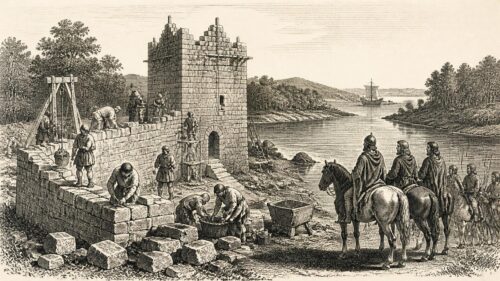
In 1420, Irish political life combined warfare, negotiation, trade and royal administration. Brian Ó Conchobair built Bundrowes Castle beside the Drowes, provoking Ulster opposition and fighting around Assaroe, where Domnall Ó Domhnaill was killed and Niall Garbh escaped aboard a trading ship. Kinship disputes in Connacht brought murders, raids, captivity and settlements secured through lordly protections. Granard Castle was briefly seized, then demolished by Ó Fearghail. Dublin officials collected customs and administered justice and finance. Death notices linked leading families to churches, while violence reached sacred spaces. Annals also recorded wolves killing many people, revealing environmental danger amid political instability.
Read Article
Archived: 21 October 2026
Abstract
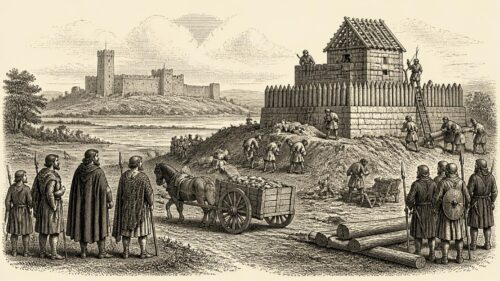
During 1418, Ireland’s fragmented landscape was shaped by dynastic deaths, raids, fortification and scholarship. In Breifne, the deaths of Tigernán Mór Ó Ruairc, his heir Eógan, and East Breifne’s Risderd Ó Raigillig triggered contested successions; Risderd and his household drowned in Lough Sheelin. At Roscommon, Uilliam Ó Cellaig built a castle opposite the stronghold, resisting an Ó Conchobair-led siege. A royal council met at Naas, while Furnival’s raids in Iveagh met resistance and northern conflict involved Ó Domnaill and Ó Néill. Connacht saw cattle raids and violence. Meanwhile, the Great Book of Lecan neared completion, demonstrating scholarly patronage amid warfare.
Read Article
Archived: 21 October 2026
Abstract
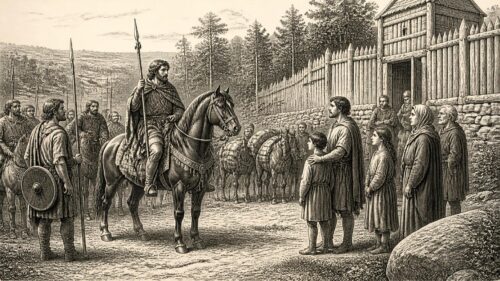
In 1416, Ireland remained divided among Gaelic rulers, Anglo-Irish magnates and the Dublin-centred English lordship. Art Mór MacMurrough defeated Wexford’s English settlers, securing booty and hostages in a peace settlement, while alliances involving Talbots and Butlers complicated ethnic divisions. Annals record his death in 1416, though conflicting evidence places it in 1417, creating uncertainty over succession. Raids, feuds and battles affected Connacht, Breifne and Fermanagh. Friar Brian Mac Donnchadha rebuilt Sligo’s Dominican monastery after fire. Another blaze on Church Island destroyed books, precious objects and instruments, illustrating losses to Gaelic learning. Church offices and legal expertise nevertheless endured amid violence.
Read Article
Archived: 21 October 2026
Abstract
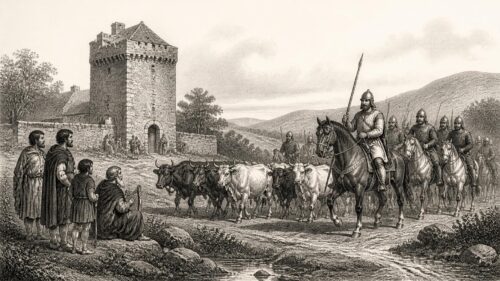
In 1415 Irish annals recorded fragmented connected conflicts across lordship Ireland. John Talbot, Lord Furnival, the king’s lieutenant, campaigned through Leix, Oriel and other districts, seizing a castle, killing or taking livestock, and executing Gerald of Geraldine descent. Chroniclers condemned his plundering of poets and alleged disregard for churches and sanctuaries. In Umhall, rivalry within the O’Malley kindred culminated in Aed O’Malley’s defeat and death, enabling Diarmait to assume the lordship. A January night attack at Cloonshee killed Tomaltach O’Birn and devastated a household. Annals noted clerical deaths, burial, capture, ransom, and cultural commemoration, depicting authority as mobile and coercive.
Read Article
Archived: 21 October 2026
Abstract
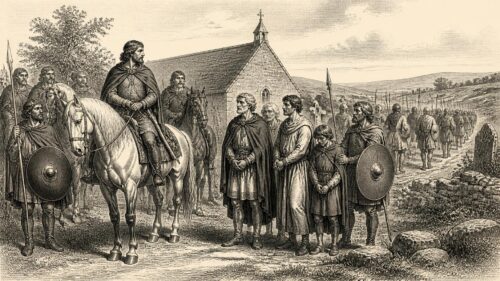
In 1414 Ireland experienced overlapping warfare, political manoeuvre, disaster and disease. Murchad Ó Conchobair and Fergal Ruad Mac Eochagáin defeated English forces from Meath at Cill Echi, killing prominent clergy and nobles and securing ransoms. In Tír Eógain, hostage exchanges restored Domhnall Ó Néill, while Mac Diarmata lordship changed hands. Fighting between Mac Murchadha rulers and Wexford forces brought capture, burning, plunder and further hostages. Sir John Stanley died, John Talbot became lieutenant and arrived late in the year. A candle fire destroyed Sligo’s Dominican monastery; a dean died; plague was reported in Meath and Leinster. Annalistic discrepancies require caution.
Read Article
Archived: 21 October 2026
Abstract
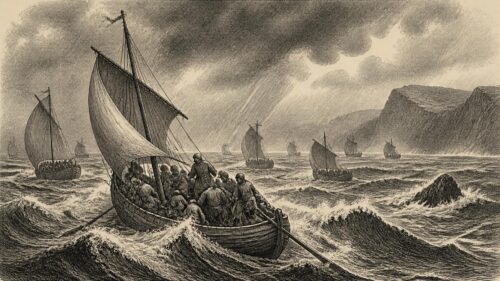
In 1413, Ireland remained politically fragmented, with Gaelic lords, Anglo-Irish interests, towns and churches exercising local power. Limerick suffered a destructive fire attributed by annals to an unnamed woman. Roscommon Castle became the focus of rival military operations, while raids and victories in Meath and Leinster demonstrated continuing frontier warfare. Tuathal Ó Máille’s returning fleet was wrecked near Scotland, causing extensive loss of life. At Lough Conn, violation of church sanctuary led to restitution of land. Annals also recorded lordly deaths, legal learning and Henry V’s accession, portraying a connected yet dangerous society shaped by warfare, religion, trade and reputation.
Read Article
Archived: 21 October 2026
Abstract
In 1404, Ireland remained politically fragmented between the English lordship, Anglo-Irish magnates and Gaelic rulers. At Blackford in Laigis, Gilla Pátraic Ó Mórdha defeated forces identified as English, capturing horses, weapons and armour. Connacht saw Mac Diarmata succession struggles, regional deaths and warfare, while Domnall Ó Néill claimed Ulster’s kingship amid continuing rivalry. Bishop Tomás Barrett died, Nicholas Fleming was appointed to Armagh, and widespread lectual sickness was reported. Maritime conflict occurred in Munster. The deaths of several ollamhs, or learned masters, highlighted the vulnerability of hereditary cultural institutions. Annals also record household figures, local violence and uncertain chronology throughout.
Read Article

Archived: 21 October 2026
Abstract
In 1393, Moylurg experienced a succession crisis after Aedh Mac Diarmata died and his son Cathal drowned. Maelruanaid Mac Diarmata gained the kingship with Tomaltach Mac Donnchada’s support, defeated Aedh’s sons near Loch Gara, and imprisoned rivals who later escaped. By summer, territorial division and captive exchanges produced a negotiated peace. Elsewhere, deaths among regional lords, clerics, scholars and craftsmen reflected interconnected political and cultural networks. Ferghal Mag Samradain’s death highlighted patronage of learned people. Ó Conchobair Fhailghe founded a Franciscan house at Cill Achaidh, while Richard Northalis became chancellor, pursuing concealed royal debts, revealing diverse local authority across Ireland.
Read Article
Archived: 21 October 2026
Abstract
In 1376, Sir William Windsor’s recall from Ireland followed resistance to his taxation and administration, as communities defended their customary right to consent. Maurice FitzGerald and then James Butler replaced him, but weakness persisted there. Warfare continued: English forces raided Annaly, whose O’Farrell lord retaliated with destructive incursions; Bran Ó Broin regained Wicklow and Newcastle castles; and northern lords faced captivity and death. Tadhg Ó Ruairc of West Breifne died, succeeded by his brother Tighearnán. Annals also recorded deaths among distinguished Gaelic historians, poets and ollamhs, underscoring the resilience of learned institutions amid fragmented authority, frontier conflict and contested lordship.
Read Article

Archived: 22 October 2026
Abstract
Records for 1372 reveal Ireland’s overlapping Gaelic, Hiberno-English and royal jurisdictions. Sir William Windsor left the lieutenancy in March, succeeded by Gerald FitzGerald, while Robert Ashton became justiciar in June amid inquiries into Windsor’s administration. Annals commemorate Brian Mór Mac Mathghamhna’s treacherous killing, although sources dispute whether it occurred in 1371 or 1372; his death affected Oriel’s politics. Seoán Mór Ó Dubhagáin, historian to Uí Mhaine, died at Rinn Dúin, where Gaelic scholarship met a former colonial settlement. Deaths, succession, capture and conflict in Connacht and the midlands further demonstrate political, social and religious interdependence, while underscoring annalistic chronology’s limitations.
Read Article
Archived: 22 October 2026
Abstract
In 1367, fragmented political authority shaped Ireland, as English lordship coexisted with powerful Gaelic and Gaelicised dynasties. Following the 1366 Statutes of Kilkenny and Lionel’s departure, Gerald FitzGerald, earl of Desmond, became justiciar, governing with limited resources. In Connacht and Breifne, Clann Muirchertaigh’s armed movement, the burning of a Mac Diarmata stronghold, and counterattacks demonstrated endemic warfare. At Traigh Eothuile, or Beltra Strand, Domnall Ó Conchobair’s coalition destroyed Tadc Ó Conchobair’s gallowglasses. Dynastic violence also killed Derbail Mac Diarmata. In Breifne, Cú Chonnacht Ó Raigillig relinquished lordship for religious life, while several prominent churchmen and learned figures died that year.
Read Article

Archived: 22 October 2026
Abstract
In 1363, Ireland comprised overlapping political worlds rather than a unified realm. Lionel of Antwerp, Edward III’s lieutenant, received English money, troops and lordship revenues to sustain royal authority, while regulation of purveyance and weights addressed administrative abuses. Dublin remained crucial: Lionel granted civic liberties on 26 September, confirmed by Edward in November, strengthening the Guildhall’s jurisdiction and commercial governance. Elsewhere, annals recorded deaths of Magnus Ó Domhnaill and Áed Mag Uidir, killings, captivity and inter-kindred conflict in Connacht and neighbouring regions. A severe windstorm damaged churches and houses and sank vessels, disrupting communities, trade and transport networks across waterways.
Read Article
Archived: 23 October 2026
Abstract
In 1354, Ireland experienced executions, warfare, dynastic killings, deaths and administrative inquiry amid the aftermath of plague. Annals recorded Mac Murchada’s execution by the Galls, followed by wider conflict, while Clann Aedha Buidhe and Dundalk’s Galls heavily defeated Aodh Ó Néill. Local struggles killed rulers in Laois and Connacht, although Domhnall Ó Dubhda succeeded his father in Uí Fhiachrach. Bishops and learned ollamhs also died. Justiciar Thomas de Rokeby governed through courts and inquiries, including valuation of the Pembroke estates at Wexford. Tenant complaints of poverty and high prices reveal hardship. The year demonstrates fragmented authority, cross-community alliances and insecurity.
Read Article
Archived: 23 October 2026
Abstract
In 1337, Ireland remained politically fragmented, with Anglo-Irish, Gaelic and royal authorities pursuing alliances, rents and warfare. William, son of the Earl of Ulster, reached a rent-based settlement with Brian Bán Ó Briain, while Aodh Reamhar Ó Néill made northern peace. In Connacht, Toirdelbach Ó Conchobair established a military position at Athleague against Edmund Burke, but Clann Cheallaig defeated and captured him. Feuds in Dartry and Breifne brought killings, raids, captivity and succession. Domnall Ruadh Ó Máille and his son were murdered. Dublin received royal governors, while bishops, scholars and poets died, illustrating the interdependence of power, church and learning.
Read Article
Archived: 23 October 2026
Abstract
In 1335, Ireland was divided among competing Gaelic lordships, settler families, church jurisdictions, towns and royal officials. On 4 May, Lysaght Ó Mórdha’s household killed Sir Raymond le Ercedekne, relatives and allies at a meeting near Claregalway, an exceptional blow memorialised at Kilkenny. Connacht suffered raids, plunder and uneasy reconciliation amid de Burgh fragmentation after 1333. Sir John Darcy mobilised Irish ships, nobles and taxation for Edward III’s Scottish war, raiding Arran and Bute. Local warfare, captures and church disputes continued. Heavy spring snow harmed birds throughout Ireland, while devotional practices and hereditary learning, including physician Gilla-na-nAingel Ó Casaide, persisted.
Read Article

Archived: 24 October 2026
Abstract
In 1324, Connacht experienced a decisive dynastic reversal when Toirrdelbach Ó Conchobair killed Cathal Ó Conchobair in Tír Briúin na Sinna in autumn and was recognised as king. Cathal, ruler since 1318, had long contested power with his rival amid Gaelic and Anglo-Irish pressures. Annála Connacht also recorded the continuing Mael Domnaig cattle murrain throughout Ireland, a severe but undiagnosed epizootic threatening food, farming, transport, wealth and lordship. John Darcy, newly appointed justiciar, administered English-controlled jurisdictions under Edward II, where common law, Dublin ordinances and local usages coexisted. Sparse annalistic evidence portrays political succession and rural vulnerability as closely intertwined.
Read Article
Archived: 24 October 2026
Abstract
In 1320, Ireland showed contrasting efforts at order and continuing conflict after the Bruce invasion. Archbishop Alexander de Bicknor established statutes for a studium generale at St Patrick’s Cathedral, appointing teachers and a chancellor to promote theology and canon law, while strengthening ecclesiastical discipline through synodal measures. Roger Mortimer’s Dublin parliament reaffirmed English statutes, regulated administration and market measures, and named the earl of Kildare deputy justiciar. Elsewhere, authority remained contested: Cathal Ó Conchobair broke peace with Maelruanaid Mac Diarmata, seizing captives and ravaging Connacht; a Connacht claimant was killed; and Munster’s Ó Briain tanist Mathgamain died violently, unsettling succession.
Read Article

Archived: 24 October 2026
Abstract
In 1318, defeats at Dysert O’Dea and Faughart reshaped Ireland without bringing peace. Richard de Clare’s death ended his family’s attempt to dominate Thomond, enabling Gaelic rulers to regain regional control. Edward Bruce’s death near Dundalk ended the Scottish-backed invasion, though it exposed weaknesses within English lordship. Warfare intensified the Great Famine’s effects: requisitioning, ruined crops, disease, disrupted trade and severe weather produced acute hardship. Political alliances crossed Gaelic, settler and Scottish communities, reflecting local interests rather than national divisions. Connacht remained unstable amid dynastic conflict. Alexander de Bicknor arrived as Dublin’s archbishop and justiciar, inheriting a weakened, impoverished lordship.
Read Article
Archived: 24 October 2026
Abstract
In 1305, Ireland experienced interconnected local conflicts amid divided Gaelic and Anglo-Irish lordships. Piers de Bermingham treacherously killed Muirchertach Ó Conchobair Fhailghe, his brother and leading followers at Carbury Castle, exposing fragility of frontier agreements. Áed Ó Conchobair’s forces defeated Muintir Raighilligh, causing heavy losses, while warfare and killings disturbed Leinster, Desmond and Breifne. Annals also noted early-summer hardship, without specifying its cause. Richard de Burgh built Northburgh Castle on Lough Foyle, strengthening Ulster influence. Meanwhile, royal administration continued through payments, legal inquiries and ecclesiastical property regulation, illustrating Ireland’s patchwork of competing powers across towns, lordships, churches, and royal jurisdictions.
Read Article
Archived: 24 October 2026
Abstract
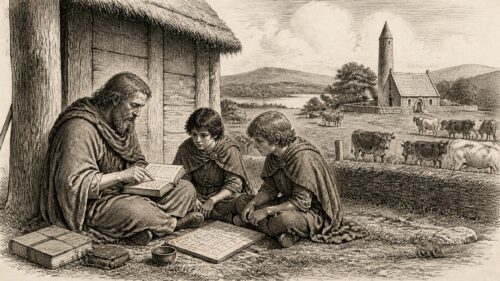
In 1301, Irish annals recorded local conflict, religious deaths and Ireland’s involvement in Edward I’s Scottish campaign. Áed Ó Conchobair and Clann Muirchertaigh raided Mag Cétne, while killings among Muintir Chionaoith and Uí Máel Sechlainn exposed dynastic rivalries. The deaths of Gilla Íosa Mac Fir Bisig, an eminent ollam, Abbess Finnguala of Kilcreevanty, priest Matha Mac Raith and steward Cathal Ó Máel Dúin illuminate Gaelic learning, ecclesiastical leadership and royal administration. Anglo-Irish magnates and forces served in Scotland from late July to November, although the earl of Ulster stayed behind. These fragmentary records reveal interconnected Gaelic and English political worlds.
Read Article
Archived: 24 October 2026
Abstract
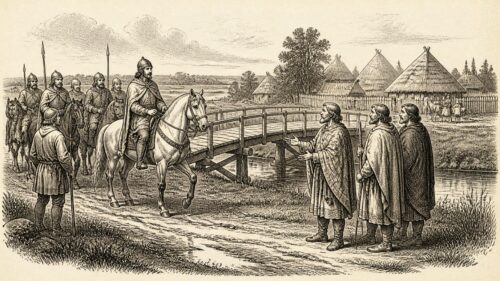
In 1289, Ireland’s overlapping lordships were tested by warfare, alliance and royal intervention. Richard Tuite led Meath settlers and Connacht’s king Maghnus against Uí Máel Sechlainn, but was killed when their coalition lost at Crois-Shliabh. Fiachra Ó Flainn was murdered while seeking a marriage alliance with settlers, while Mac Muiris and Mac Feorais suffered defeat against Leinster princes, losing Meyler de Exeter, horses and spoils. John fitz Thomas FitzGerald secured Peter Bermingham’s lifetime military service. Archbishop John of Sandford, keeper of Ireland, campaigned in Laois, enforcing the king’s peace. Annalistic deaths also reveal active ecclesiastical and learned institutions amid instability.
Read Article

Archived: 24 October 2026
Abstract
1287 in Ireland was marked by succession, local violence and deaths without island-wide upheaval. Thomas de Clare, lord of Thomond, died on 29 August, leaving his six-year-old heir Gilbert and placing lands under wardship. His death altered but did not end contested power around the Shannon; Toirrdelbach Ó Briain later raided Ormond and Limerick. In Connacht, Diarmait Midech Mac Diarmata and Gilla na nÉc Ó Mannacháin died alongside lesser rulers and clerics. Archdeacon Florint Ó Gibealláin was praised for learning. Máel Sechlainn Mag Oirechtaig was killed in revenge for broken loyalty. Misdated de Burgh campaigns belong to 1291, not 1287.
Read Article

Archived: 24 October 2026
Abstract
A year recorded through a single campaign The surviving Irish annals make 1286 look, at first sight, like a year dominated by one extraordinary movement of armed power. Their central notice is a mórshluaiged, or great hosting, led by the Earl of Ulster into Connacht. The earl was Richard de Burgh, later famous as the Red Earl: lord of Connacht through his inheritance and one of the greatest magnates in the English lordship of Ireland. Yet the evidence must be handled closely. No source supplies a day, a route, a battle-site, a list of troops or a full explanation for
Read Article





