Archived: 11 October 2026
Abstract
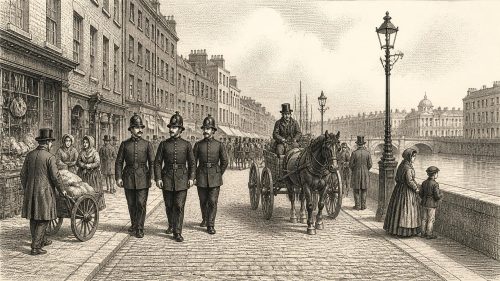
In 1836, Ireland experienced contested administrative reform rather than a decisive settlement. Westminster strengthened policing through the Constabulary and Dublin Police Acts, while licensing rules extended supervision of public houses. Tithe arrears remained unresolved: the Tithe Compositions Act merely suspended recovery proceedings, and church reforms scrutinised ecclesiastical revenues. O’Connell’s Catholic organisation demonstrated popular political strength despite a narrow franchise, notably in Longford. Municipal reform largely stalled. The Poor Inquiry documented severe, varied poverty but produced no agreed remedy; poor law followed in 1838. Crop failures heightened anxiety, while banks, newspapers and Mount Jerome cemetery reflected emerging institutional and urban change.
Read Article
Archived: 11 October 2026
Abstract
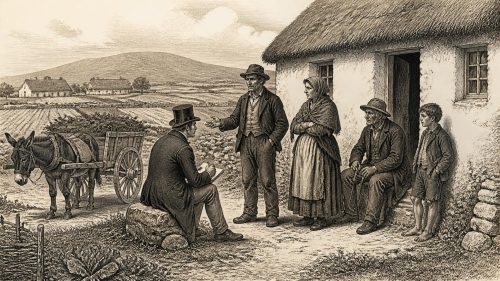
In 1833, Irish government combined coercion, church reform and social investigation amid unrest and poverty. The Suppression of Disturbances Act expanded powers over meetings, movement and suspected rural disorder, constraining constitutional mobilisation associated with Daniel O’Connell. Tithe resistance persisted despite legislation adjusting arrangements, while the Church Temporalities Act abolished levies, reorganised bishoprics and revenues, but preserved Protestant establishment and endowments. O’Connell continued to advocate repeal, tithe reform and redress. In September, Archbishop Richard Whately began a Royal Commission examining poorer classes, inaugurating systematic inquiry into labour, land, charity and deprivation. The year left Ireland’s religious, political and economic crises unresolved.
Read Article




