Archived: 19 October 2026
Abstract
In 1499, Gerald FitzGerald, earl of Kildare and royal deputy, campaigned in Connacht, seizing Athleague, Tulsk, Roscommon and Castlerea, redistributing lordship and hostages among allied factions. Mac William Burke and displaced O’Kelly forces soon recovered Athleague and Tulsk, demonstrating the fragility of imposed authority. Succession and conflict reshaped Moylurg, Tír Chonaill, Fermanagh and Thomond, where O’Donnell raided, negotiated with Kildare and suppressed internal rebellion, while an O’Brien force defeated Butler followers. Annals also record religious and aristocratic hospitality, and Pale parliamentary regulation. Warfare, castles, cattle, hostages, tribute and negotiation repeatedly remade Ireland’s overlapping political order across Ireland’s contested regional frontiers.
Read Article
Archived: 24 October 2026
Abstract
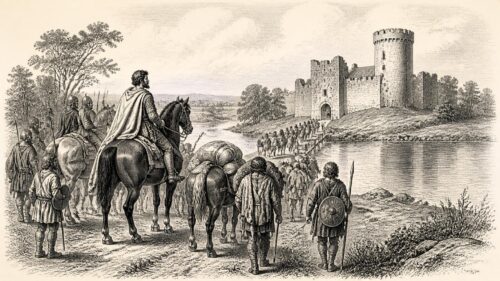
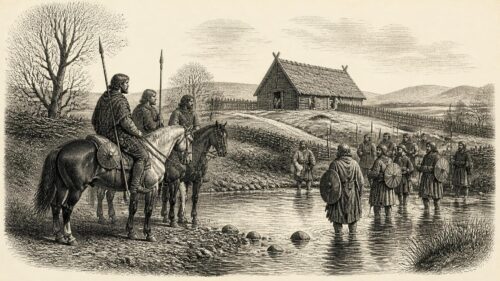
In 1288 Magnus Ó Conchobair seized Connacht after defeating and capturing his brother Cathal at Bellaslishen, a strategic ford near Roscommon. His victory brought plundering, but winter attacks at Ros Mór wounded him and exposed continuing resistance. Recovering, he took hostages in Síl Muiredaig to enforce obedience. Richard de Burgh, Red Earl of Ulster and lord of Connacht, advanced to Roscommon but withdrew amid opposition, although sources dispute subsequent terms. Stephen de Fulbourn, archbishop of Tuam and justiciar, died, prompting William de Bermingham's election. Changes in church and chancery office reflected contested authority among Gaelic rulers, magnates and royal administration.
Read Article

Archived: 26 September 2026
Abstract
In 1186, Ireland remained politically fragmented despite expanding Anglo-Norman settlement. Hugh de Lacy, lord of Meath, was killed while inspecting castle works at Durrow, an act Irish annals portrayed as vengeance for violation of Columcille’s sanctuary. His death weakened colonial authority while Crown withheld Meath from heir. In Connacht, Conchobar Máenmaige displaced his father, Ruaidrí Ua Conchobair, amid dynastic warfare. Northern factions deposed Domnall Mac Lochlainn, causing violence. Churches, pilgrimage, hagiography, trade and castle-building shaped life. Gaelic and settler economies interacted, but warfare disrupted communities. The year demonstrated that competing Gaelic, royal, ecclesiastical and Anglo-Norman lordships prevented any unified conquest.
Read Article

Archived: 26 September 2026
Abstract
In 1098, Ireland remained divided among competing kings, with Muirchertach Ua Briain’s northern campaign checked by Domnall Ua Lochlainn, while succession disputes devastated Meath, Leinster, Connacht and other regions. Cenél nEógain defeated Cenél Conaill, and Ulaid captured three ships of unnamed Isles foreigners, probably linked to Magnus Barelegs’ western expedition. Deaths of reformer Domnall Ua hÉnna and numerous bishops, scholars and clerics highlighted active religious networks and emerging church reform. Rain, fertility and heavy snow shaped rural life; fires damaged Cork and Clonmacnoise. The chronicles depict political fragmentation, local violence, maritime connections, learning, pilgrimage and resilient ecclesiastical centres throughout Ireland.
Read Article

Archived: 26 September 2026
Abstract
In 1093, Muirchertach Ua Briain of Munster expanded his influence through Connacht, Mide and reconciliation with his brother Diarmait, but failed to secure lasting control over Connacht after Síl Muiredaig returned from exile. His northern rival, Domnall Ua Lochlainn of Ailech, allied with Ulaid against southern power and blinded a regional rival. Covenants at Lough Neagh, Cashel and Lismore, guaranteed by revered relics, underscored religion’s political role. Annals also record churchmen’s deaths, changing manuscript production, severe frost, wind damage, pestilence and abundant woodland mast. Cattle, agriculture, towns and Irish Sea links shaped society. Ireland remained politically divided despite ambitious overlordship.
Read Article





