Archived: 26 September 2026
Abstract
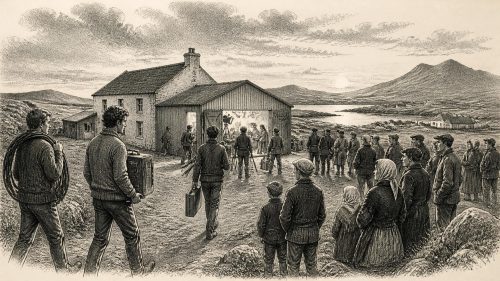
In 1996, Ireland combined economic optimism and demographic recovery with political violence, reform and institutional change. The IRA’s Canary Wharf bombing ended its ceasefire, while the killing of Detective Garda Jerry McCabe, the Manchester bomb and Drumcree tensions strained Northern Ireland peace negotiations. Investigative journalist Veronica Guerin’s murder highlighted organised crime, prompting stronger anti-crime measures. Divorce became legally available under the Family Law (Divorce) Act. Growth, employment and EU presidency indicated growing confidence, though unemployment and inequality persisted. Teilifís na Gaeilge launched, strengthening Irish-language broadcasting. The year thus revealed a modernising State still vulnerable to conflict, crime and uneven prosperity.
Read Article
Archived: 9 October 2026
Abstract
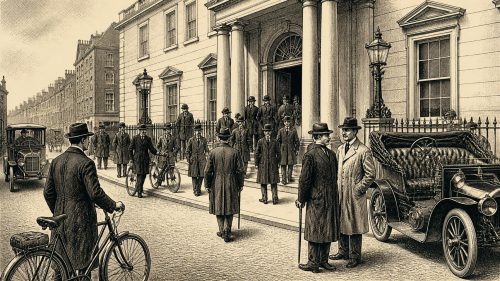
In 1919, Sinn Féin MPs established Dáil Éireann at Dublin’s Mansion House, declaring independence, adopting a Democratic Programme and claiming authority denied by Britain. The same day, the Soloheadbeg ambush killed two policemen, signalling escalating conflict. De Valera’s escape, presidency and mission strengthened republican propaganda and fundraising. The Dáil developed ministries, a loan, publicity and courts, aided by Cumann na mBan, despite proscription. Limerick’s permit strike demonstrated labour resistance. British repression accompanied plans for separate parliaments, foreshadowing partition. By December, the attempted assassination of Lord French highlighted violence. Ireland ended with rival British and republican authorities, amid hardship and uncertainty.
Read Article
Archived: 10 October 2026
Abstract
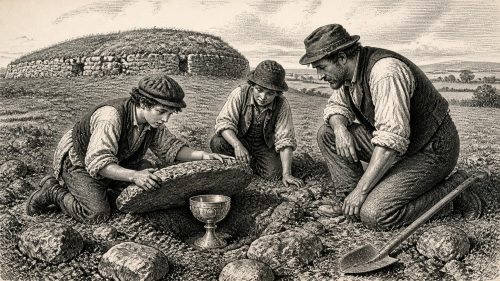
In 1868, Ireland faced a constitutional crisis over the Anglican Church of Ireland, whose privileged status conflicted with the Catholic majority and Presbyterian presence. Gladstone’s resolutions, Commons victories and Liberal election gains made disestablishment unavoidable, although legislation followed in 1869. Franchise reform enlarged, but did not democratise, the male electorate, while Gladstone’s ministry symbolised reform through Catholic lord chancellor Thomas O’Hagan. Fenian prosecutions sustained security fears. National schools expanded amid attendance, and industrial schools extended state control. Emigration, pastoral change and poverty persisted. St Colman’s Cathedral began at Queenstown, Valentia Observatory opened, and the Ardagh Chalice discovered during potato digging.
Read Article

Archived: 11 October 2026
Abstract
In 1832, Ireland experienced reform, conflict and epidemic crisis. Glasnevin Cemetery opened in February as Daniel O’Connell’s inclusive burial project, its first interment an eleven-year-old Dublin boy. Cholera soon spread from Belfast to Dublin and other towns, killing perhaps 25,000 people and exposing poor sanitation, inadequate institutions and improvised medical and burial provision. Local boards of health organised contested responses. Meanwhile, resistance to Church of Ireland tithes continued despite government relief and enforcement measures. Parliamentary reform revised constituencies and increased representation but retained a property-based franchise. Debates over national education and restrictions on partisan processions reflected religious and political tensions.
Read Article

Archived: 11 October 2026
Abstract
In 1822, Ireland endured agrarian unrest, food scarcity and emergency government. Lord Lieutenant Richard Wellesley inherited Rockite violence, chiefly in Munster, where the Insurrection Act, habeas corpus suspension, troops and special commissions produced prosecutions, transportation and executions. Poor harvests caused severe regional distress, especially in the west and south-west. Government coordinated charity and funded public works, employing labourers on roads, piers and harbours under engineers including Alexander Nimmo and Richard Griffith. Political divisions persisted over Catholic exclusion and the established Church. A new constabulary law encouraged organised policing. December's Bottle Riot, when a jar was thrown at Wellesley, symbolised conflict.
Read Article
Archived: 11 October 2026
Abstract
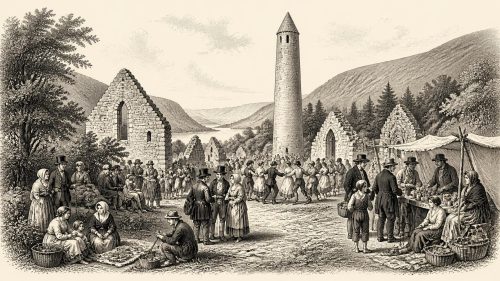
In 1813, Catholic emancipation dominated Irish politics as Henry Grattan’s relief bill advanced at Westminster before collapsing over parliamentary admission and proposed state influence on episcopal appointments, opposed by bishops and Daniel O’Connell. Sectarian tension erupted at Garvagh, County Londonderry, where armed Protestants and Orangemen repelled Ribbonmen during a fair. An unsuccessful census initiative reflected administrative uncertainty, while observations of poverty, fever and education highlighted social pressures. Cultural life included Hugh Porter’s poetry and Glendalough’s patron festival. In September, the Limerick meteorite fell near Adare, becoming Ireland’s largest recorded meteorite fall and was preserved for scientific study as material evidence.
Read Article

Archived: 14 October 2026
Abstract
In 1697, post-war Ireland faced food scarcity, political consolidation and social disruption. Grain exports were restricted amid fears of shortages, while parliament reinforced Protestant ascendancy through property, security and religious legislation. It confirmed limited treaty protections for qualifying Jacobites but secured wartime forfeitures. The Banishment Act ordered Catholic bishops and regular clergy to leave, while restrictions targeted Protestant-Catholic marriages. Peace with France ended the Nine Years’ War, yet fears of Jacobitism persisted. Lightning destroyed Athlone Castle’s powder magazine, causing major damage. Scottish migration strengthened Ulster Presbyterian communities, while commercial tensions over Irish woollens and modest rebuilding reflected an uneven recovery.
Read Article

Archived: 14 October 2026
Abstract
In 1694, Ireland’s post-Williamite settlement advanced through administration rather than warfare. Commissioners began hearing claims under the Articles of Limerick, determining Jacobites’ rights to property, livelihoods and legal protection. Dublin’s Lords Justices managed revenue, including hearth-money exemptions, while debating a parliament whose supply might secure Protestant interests; no parliament met. Government fasts, Trinity College’s centenary celebration and Jonathan Swift’s diaconal ordination reflected Protestant public culture. Portarlington’s French Reformed register documented an emerging Huguenot community. Rewards for robbers and alleged rebels showed continuing insecurity. Queen Mary II’s death made William III sole monarch, leaving Ireland’s constitutional, religious and property settlement unfinished.
Read Article

Archived: 14 October 2026
Abstract
In 1693, Ireland, though no longer a battlefield after the Treaty of Limerick, remained unsettled under Williamite rule. Lord Lieutenant Henry Sydney was recalled, parliament dissolved, and lords justices governed amid English pressure. Protestant military recruitment reinforced the new settlement, while treaty claims and forfeiture investigations determined former Jacobites’ property rights. Authorities pursued suspected tories, rapparees, priests and their families. Ireland remained involved in the Nine Years’ War: Patrick Sarsfield and John Barrett died after Landen, and trade with France was banned. Dublin gained a Huguenot congregation, while Vertue Rewarded transformed war into fiction. Official thanksgiving proclaimed restoration, despite division.
Read Article
Archived: 14 October 2026
Abstract
In 1692, post-war Ireland remained unsettled despite Williamite victory. Authorities ratified and administered the Treaty of Limerick, processed claims, organised Jacobite departures, restored taxation, regulated currency, disarmed Catholics and addressed billeting, crime and militia security. Lord Sydney summoned the first Williamite parliament, whose Protestant members recognised William and Mary, defined Ireland’s attachment to England, and portrayed victory as deliverance from Catholicism and French influence. Commons nevertheless contested control of money bills under Poynings’ Law. Treaty protections coexisted with tightening restrictions on Catholics. Ruvigny’s advancement foreshadowed forfeiture and Protestant settlement, while Charles O’Kelly’s Jacobite history recorded a competing memory of defeat.
Read Article
Archived: 14 October 2026
Abstract
In 1691, Williamite forces broke Jacobite power in Ireland, ending the war begun after James II’s overthrow. Ginkel captured Athlone, then defeated Saint-Ruth’s army at Aughrim, where the French commander’s death precipitated rout and Galway’s surrender. Limerick, divided after Tyrconnell’s death and deprived of resources, endured siege, bombardment and a Williamite crossing of the Shannon. Articles signed on 3 October ended organised resistance, offering protections for Catholic property, trade and worship, though their wording and enforcement remained disputed. Military terms enabled departure, Williamite service or homecoming. Thousands entered French service, while William and Mary secured sovereignty amid unsettled political consequences.
Read Article
Archived: 14 October 2026
Abstract
In 1690 Ireland became central to the war between James II and William III, linked to the wider European struggle against France. William’s multinational army defeated the Jacobites at the Boyne, prompting James’s flight to France and William’s occupation of Dublin. Administrative measures followed, affecting coinage, property and allegiance. However, Jacobite forces withdrew towards the Shannon, where Limerick resisted William’s siege. Patrick Sarsfield’s Ballyneety raid disrupted the Williamite artillery train, while a later assault failed amid worsening conditions. William lifted the siege. Williamite victories at Cork and Kinsale secured southern ports, but Limerick’s survival ensured the conflict continued into 1691.
Read Article

Archived: 14 October 2026
Abstract
In 1687 Richard Talbot, earl of Tyrconnell, became Ireland’s lord deputy and reshaped government under James II. Although instructed not to remove Protestants solely for religion or overturn land settlements, he promoted Catholics to judicial, administrative, military and local offices. New sheriffs and judges challenged Protestant dominance and intensified fears over legal security. Through charter surrenders and renewals, municipal corporations were reorganised to expand Catholic influence and prepare a favourable parliament. James’s Declaration of Liberty of Conscience widened religious freedoms, though Anglican suspicion persisted. Trade continued, while army recruitment increased. By year’s end, Catholic hopes and Protestant anxieties transformed politics.
Read Article

Archived: 14 October 2026
Abstract
In 1685 James II’s accession raised Catholic hopes and Protestant fears in Ireland, although laws and land settlements remained unchanged. Richard Talbot, created earl of Tyrconnell, gained authority to reshape the army, admitting Catholic officers and weakening the exclusively Protestant military establishment. Security measures in Ulster coincided with tensions over religion, land and memories of 1641. Henry Hyde, earl of Clarendon, was appointed lord lieutenant, signalling divided governance. Economic life continued amid political uncertainty. Cultural developments included publication of Bedell’s Irish Old Testament, the first Irish newspaper, and Ó Flaithbheartaigh’s Ogygia. Francis Harold’s death in Rome reflected continental Catholic networks.
Read Article
Archived: 14 October 2026
Abstract
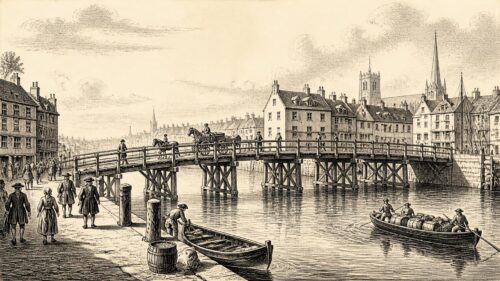
In 1682, James Butler, duke of Ormond, retained the lord lieutenancy while his son Richard, earl of Arran, governed from Dublin Castle as lord deputy, maintaining Butler influence under Whitehall’s authority. No parliament met, leaving administration to council, courts, revenue and patronage. Dublin expanded with timber Ormond and Arran Bridges across the Liffey, improving commerce and commemorating the family. Appointments included William Sheridan as bishop of Kilmore and Ardagh, John Lyndon as Third Serjeant-at-Law, and baronetcies. Beneath stability lay Protestant dominance, Catholic exclusion, land settlements, debt disputes and confessional tensions. Ormond’s dukedom affirmed favour but emphasised Ireland’s dependence on court.
Read Article
Archived: 14 October 2026
Abstract
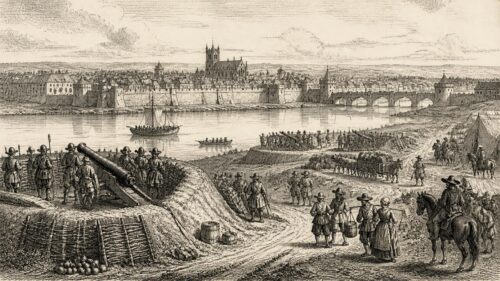
In 1651 Commonwealth forces tightened control of Ireland through campaigns in Munster and Connacht. Henry Ireton besieged Limerick, while Lord Broghill defeated Muskerry’s attempted relief army at Knocknaclashy, ending prospects of substantial support. Blockade, artillery, hunger and disease devastated Limerick’s inhabitants, provoking divisions between defenders, clergy and civilians seeking terms. The city surrendered on 27 October after internal betrayal opened key positions. Although many received quarter, leading military, civic and Catholic figures were excluded, imprisoned or executed. Ireton envisaged a more English, Protestant city. Meanwhile Galway came under blockade, becoming the remaining major centre of organised Catholic and royalist resistance.
Read Article
Archived: 17 October 2026
Abstract
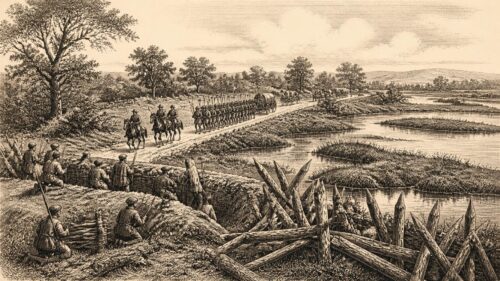
In 1598, the Battle of the Yellow Ford transformed the Nine Years’ War into a crisis for English government in Ireland. On 14 August, a crown army suffered devastating defeat near the River Blackwater in County Armagh. Confederates associated with Hugh O’Neill and Hugh Roe O’Donnell gained confidence, while royal forward positions became harder to maintain. Revolt widened beyond Ulster into Leinster and Munster. The outcome emerged from a year combining warfare, negotiation and political manoeuvre, rather than inevitable rebel victory. Yellow Ford’s significance lay in its consequences: weakened royal strategy, strengthened resistance and an expanding challenge to crown authority.
Read Article
Archived: 17 October 2026
Abstract
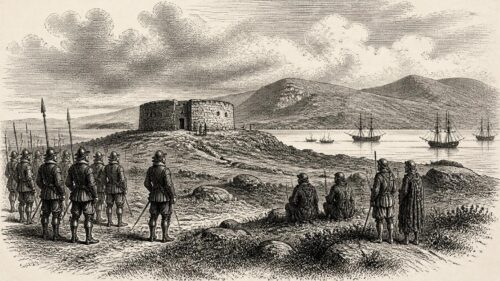
In 1580, the Second Desmond Rebellion widened into a multi-regional and international crisis. Pelham and Ormond's destructive Munster campaigns captured Carrigafoyle, using artillery, naval power and scorched-earth tactics that disrupted food supplies and rural life. In Leinster, Baltinglass joined Fiach MacHugh O'Byrne's revolt, and Grey's army suffered defeat at Glenmalure. A papal-backed Spanish and Italian force landed at Smerwick but surrendered after siege; 500–600 defenders were massacred. Arrests, executions and raids deepened fear. Although Crown forces demonstrated formidable reach, Desmond and Leinster rebels remained active, while warfare inflicted growing social devastation. The year left Ireland unpacified, divided and increasingly impoverished.
Read Article

Archived: 17 October 2026
Abstract
In 1579, a small landing at Smerwick transformed Munster’s unrest into an international Catholic challenge to Elizabeth I’s government. James fitz Maurice FitzGerald returned from continental exile with Spanish and Italian soldiers, papal support and hopes of assistance. Their limited force mattered chiefly for the alliances and expectations it represented. Local grievances could now connect with European religious conflict. Gerald FitzGerald, earl of Desmond, hesitated before entering open rebellion, widening the crisis. The year marked the beginning of the Second Desmond Rebellion, linking regional lordship, exile politics and overseas intervention in a struggle with increasingly destructive consequences for Munster’s communities.
Read Article

Archived: 17 October 2026
Abstract
In 1573, crown policy in Ireland combined pardons, restoration and colonisation, but failed to produce lasting stability. James fitz Maurice Fitzgerald’s theatrical submission to Sir John Perrot at Kilmallock temporarily checked the Desmond revolt, while Gerald Desmond’s return and escape to Munster revived Geraldine authority. Warfare continued to burden civilian communities. In Ulster, denization for Sorley Boy MacDonnell contrasted with Walter Devereux, earl of Essex’s grant to colonise Clandeboye. Resistance by Brian MacPhelim O’Neill, the burning of Carrickfergus, logistical weakness and Thomas Smith’s death exposed the venture’s fragility. These events made landholding, allegiance, religion and security contested within Elizabethan rule.
Read Article

Archived: 17 October 2026
Abstract
In 1571, conflict and cultural change exposed the limits of Elizabethan government in Ireland. The sack of Kilmallock, whose dating requires careful comparison of sources, revealed Munster’s vulnerability during rebellion. A battered fortress and contested lordships reflected instability, including divisions across Connacht. Meanwhile, a Dublin publication in Irish type connected religious reform with language and print. Crown appointments, prospective colonial grants and reforming commissions expressed claims, but their implementation relied on alliances, supplies and local obedience. The year therefore resists a single national narrative, showing military coercion, regional rivalry and cultural initiatives unfolding within a fragmented and contested political landscape.
Read Article
Archived: 18 October 2026
Abstract
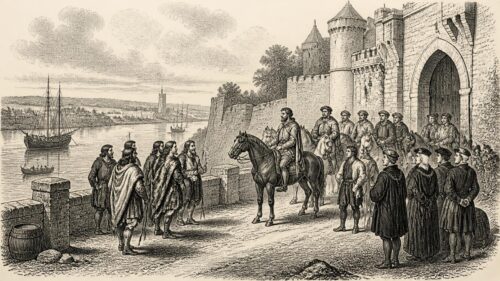
In 1549, Tudor authority in Ireland rested on negotiation, military pressure and limited resources. William Brabazon replaced Edward Bellingham as lord justice and held a major court at Limerick, where regional lords accepted a contingent peace secured by civic and aristocratic guarantees. Conflict continued across the midlands and west through castle seizures, raids, killings and disputed successions within Gaelic kindreds. Gunpowder caused Dermot O’Sullivan’s death, illustrating changing warfare. French envoys explored an Ulster alliance through Lough Foyle but found Gaelic divisions. Religious reform remained uneven, while local lordship, kinship and control of land shaped daily political realities beyond royal centres.
Read Article
Archived: 18 October 2026
Abstract
In 1544, Tudor authority in Ireland depended on negotiation rather than uniform control. During Sir Anthony St Leger’s absence, Lord Justice William Brabazon managed finance, military levies and invasion rumours, while Irish kern joined Henry VIII’s war against France and Scotland. Local conflicts persisted: English forces aided O’Donnell’s siege at Lifford, and warfare engulfed Ulster through raids, castles, hostages and Scottish mercenaries. At Limerick, a council addressed the Clanricarde succession after Ulick Burke’s death, recognising Richard Burke but empowering a rival custodian, leaving conflict unresolved. Former monastic property passed to crown servants, illustrating primarily economic, rather than immediate religious, transformation.
Read Article
Archived: 18 October 2026
Abstract
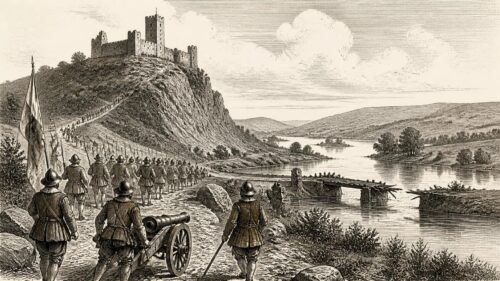
In 1536, Tudor authority in Ireland expanded after the Kildare revolt through Leonard Grey’s appointment as lord deputy, the Dublin parliament and military campaigning. Parliament asserted Henry VIII’s royal supremacy over the Irish church, attainted Kildare interests and initiated changes to religious property, though enforcement remained limited and monastic dissolution was incomplete. Grey captured Carrigogunnell Castle and destroyed its bridge, exploiting regional rivalries. Elsewhere, Connacht experienced succession disputes, raids, artillery warfare, sanctuary violations and the burning of Dromahair monastery. Plague, smallpox and illness compounded instability, while deaths of lords and poet Tomás Ó hUiginn marked cultural loss. Local lordship remained.
Read Article
Archived: 19 October 2026
Abstract
In 1510 Gerald FitzGerald, eighth earl of Kildare and justiciar of Ireland, led a expedition into Munster. His authority combined royal office with estates, personal connections and agreements among powerful lords. The campaign demonstrated that government from Dublin depended upon negotiated alliances as much as commands from Henry VIII. Resistance likewise emerged from a coalition of interests rather than a simple division between Gaelic and English communities. Annalistic evidence places the fighting within a wider landscape of overlapping lordships and shifting loyalties. Monabraher’s broken rearguard illustrates the military risks and political limits confronting the Great Earl’s ambitious exercise of power.
Read Article

Archived: 19 October 2026
Abstract
During 1501, Ireland’s political life remained intensely regional despite Gerald FitzGerald, eighth earl of Kildare, serving as lord deputy. In Oriel, rival Mac Mahon branches fought, displacing opponents and causing significant deaths, while Maguire forces suffered heavily at Slieve Beagh. Rival O’Conor kinsmen captured Sligo castle by ladders, killing leading combatants. Churchman John Maguire and poet Donnell O’Higgin were commemorated for learning and hospitality. Edmund Burke was seized returning from pilgrimage to Spain and held for ransom. Finally, Turlough O’Brien of Thomond burned parts of Limerick and the Maigue plain, demonstrating warfare’s continuing economic and human impact throughout the island.
Read Article
Archived: 20 October 2026
Abstract
In 1466, Conn Ó Conchobhair Fáilghe defeated the lordship’s Meath and Leinster expedition in Uí Fhailí, capturing Deputy Earl Thomas FitzGerald of Desmond before Dublin men rescued him from Carbury. The defeat enabled raids and strengthened Tadhg Ó Briain of Thomond, who extracted concessions from Desmond and Limerick, but died later that year. Warfare also affected Oriel and Connacht, where rival lordships used alliances, hostages, cattle and tribute to maintain power. Plague struck Dublin, Meath and Leinster, while fire damaged Holy Trinity Abbey on Lough Key. Deaths of rulers, clergy and learned men illustrated Ireland’s precarious, locally negotiated political order.
Read Article

Archived: 20 October 2026
Abstract
In 1462, Ireland experienced interconnected conflicts, raiding, lordship and institutional development. Butler forces, supported by English followers, contested Desmond control in the south-east; their defeat at Piltown enabled FitzGerald advances, though maritime captures and parliamentary attainder prolonged the struggle. In Ulster, Henry Ó Néill raided Tír Chonaill, devastating districts amid rivalry with Aodh Ruadh Ó Domhnaill, while killings reflected continuing northern instability. Connacht disputes involved ransoms, rents and cattle seizures. Franciscan friars founded a house at Monaghan, and Thomas Cusin taught law in Armagh. These events demonstrate power exercised through warfare, wealth, patronage, fortified places and learning across medieval Ireland.
Read Article
Archived: 21 October 2026
Abstract
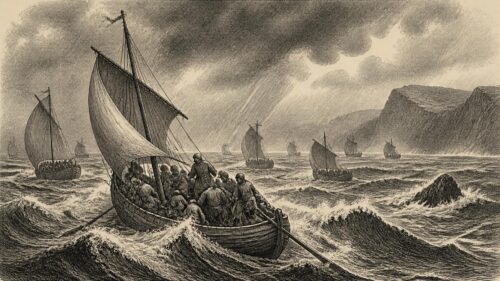
In 1413, Ireland remained politically fragmented, with Gaelic lords, Anglo-Irish interests, towns and churches exercising local power. Limerick suffered a destructive fire attributed by annals to an unnamed woman. Roscommon Castle became the focus of rival military operations, while raids and victories in Meath and Leinster demonstrated continuing frontier warfare. Tuathal Ó Máille’s returning fleet was wrecked near Scotland, causing extensive loss of life. At Lough Conn, violation of church sanctuary led to restitution of land. Annals also recorded lordly deaths, legal learning and Henry V’s accession, portraying a connected yet dangerous society shaped by warfare, religion, trade and reputation.
Read Article
Archived: 22 October 2026
Abstract
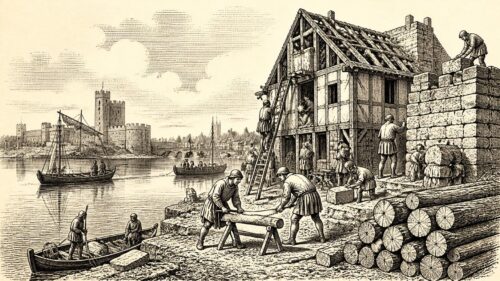
In 1370, Brian Sreamhach Ó Briain defeated and captured Gerald FitzGerald, earl of Desmond, near Monasternenagh, then pressured Limerick, which was burned and briefly placed under Mac Conmara control. King’s lieutenant William of Windsor secured Desmond’s release, recovered the city and agreed reparations of cattle and timber. His government, hampered by inadequate funds, also faced fighting in Wicklow. Elsewhere, Niall Mór Ó Néill consolidated Tyrone through hostages, land grants, marriage and victory over Brian Mór Mac Mathghamhna. Captures, succession disputes and raids in Breifne and Leinster further demonstrated that Irish power rested on local alliances, coercion, resources and negotiated settlements.
Read Article




