Archived: 23 October 2026
Abstract
During 1349, a pestilence remembered as the Black Death became an all-Ireland crisis, although its arrival and mortality cannot be dated or quantified precisely. John Clyn recorded contagion, deaths among clergy and households, pressure on burial and care, and costly imported goods in Kilkenny. Connacht annals reported heavy losses in Moylurg, while warfare, raiding and contested lordship continued across Connacht and elsewhere. Ecclesiastical vacancies exposed institutional vulnerability, though individual causes of death remain uncertain. Clyn's final entries, ending amid violence and epidemic fear, symbolise the fragility of record-keeping. The year strained trade, worship, families and political authority without halting conflict.
Read Article

Archived: 23 October 2026
Abstract
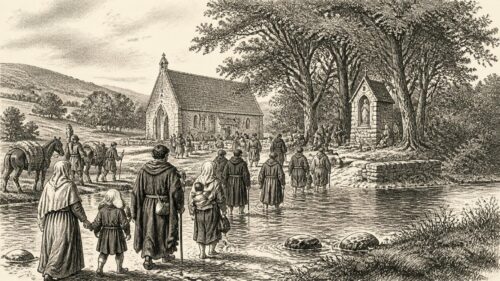
In 1348, pestilence reached Ireland by sea, devastating Dublin and Drogheda from late summer, though its extent elsewhere remains uncertain. John Clyn recorded a fearful pilgrimage by clergy, magnates and ordinary people to St Moling’s water at Taughmoling, seeking spiritual protection amid mass mortality. Meanwhile, Fulk de la Frêne fortified and coerced Ormond tenants around Nenagh, before James Butler received the earldom. Bishop Richard of Ossory gained independence from Dublin’s archbishop. In Connacht, killings, captures and war between kindreds ravaged Moylurg, while learned poets still travelled for patronage. The year combined disease, warfare, lordship, worship and cultural continuity under strain.
Read Article
Archived: 23 October 2026
Abstract
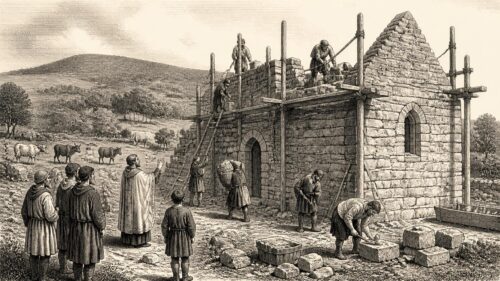
In 1343, Ireland saw shifting lordship, violence and religious investment. Toirrdelbach Ó Conchobair regained Connacht and made peace with Conchobar Mac Diarmata, while Clann Feorais and Clann Ricaird crushed Uí Maine, killing eleven Ó Ceallaigh princes. In Thomond, Diarmait Ó Briain briefly succeeded Muirchertach before Brian Bán seized power. In Tír Conaill, Aengus Ó Domhnaill displaced Niall through a broad coalition, granted land to exiles, and defeated his rival’s supporters. Deaths included nobles, churchmen and scholars. Kilronan received a new church, St Mary’s, Kilkenny, a belfry, and Boyle Abbey remained central to Mac Diarmata burials and succession during the year.
Read Article

Archived: 23 October 2026
Abstract
In 1340, Connacht lordship was contested through dynastic intervention, captivity, raiding and negotiated settlement. Toirdelbach Ó Conchobair installed a ruler in Uí Maine, but resistance killed his appointee; his imprisonment of a nephew provoked Mac Diarmata opposition and a peace at Ballymote. Breifne warfare over cattle killed Domnall Ó Ruairc, while prisoners were exchanged to restore political advantage. Other kin-group killings exposed fragile local rule. Edward III pardoned Edmund Albanach and Reymund de Burgh, seeking accommodation and military service. Cill Rónáin burned, and learned men died. Sources caution against misdating Ulster entries and a supposed Franciscan foundation in later annals.
Read Article

