Archived: 1 November 2026
Abstract
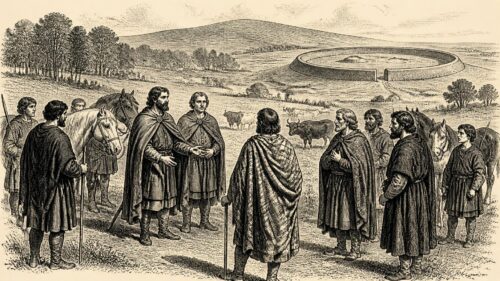
In 719, Leinster suffered internal conflict after the death of overking Cellach Cualann. At Findabair, probably Fennor in Meath, his son Áed was killed in an encounter among the Leinstermen, though sources do not identify combatants or circumstances. Murchad of Uí Dúnlainge held Leinster’s overkingship amid rivalry with Cellach’s Uí Máil kin. Uí Néill forces devastated Leinster five times, reflecting pressure associated with Fergal of Cenél nÉogain and foreshadowing later campaigns. Other annals record killings, violence affecting Armagh, an ecclesiastical death, and a Dál Riata sea-battle. A possibly dry summer compounded raiding’s threat to farming, cattle, lordship and vulnerable communities.
Read Article
Archived: 1 November 2026
Abstract
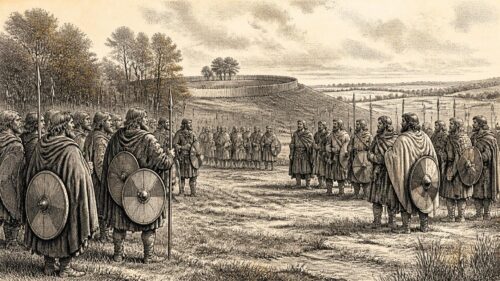
In 718 CE, a battle at Cenannas – the place later known as Kells in County Meath – brought a violent turn in the long struggle for Brega. Conall Grant, grandson of Cernach, emerged as victor over a group of rival leaders, but his success was startlingly brief: the annals state that Fergal son of Máel Dúin killed him two months later. The year also brought deaths at major religious communities, a recorded change in Iona’s monastic observance, reports of remarkable portents, and a lunar eclipse. Together, these sparse notices reveal an Ireland in which dynastic politics, ecclesiastical authority and
Read Article
Archived: 1 November 2026
Abstract
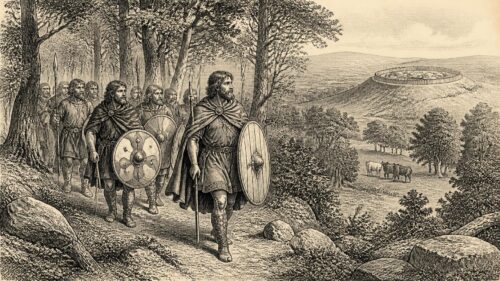
In 711, Fergal son of Máel Dúin of Cenél nÉogain defeated Uí Méith at Sliab Fúait in south Armagh, killing their king Tnúthach and Cú Raí of the Brega-based descendants of Áed Sláine. The victory strengthened Fergal’s authority in a contested borderland, though it did not establish national rule. Annals also record Cenn Fáelad, abbot of Fore, illustrating churches’ economic and political importance. Across the Irish Sea, Dál Riata defeated Britons at Lorg Ecclet, reflecting maritime connections. Annalistic date differences require caution, but together these notices portray competing kingdoms, religious communities and interconnected Irish Sea politics in early medieval Ireland.
Read Article
