Archived: 19 October 2026
Abstract
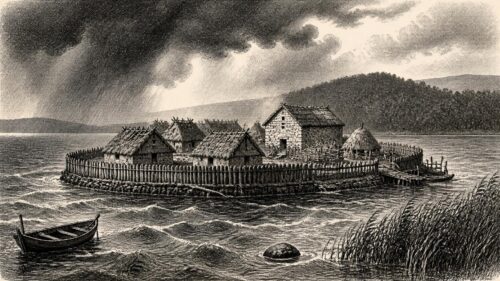
In 1477, annals depict Ireland as a patchwork of contested lordships, where kinship, land, ecclesiastical institutions and armed followings shaped power. In Tír Chonaill, Aodh Ruadh O’Donnell fought Neachtan O’Donnell’s sons, while Énrí O’Neill, supporting the rivals, devastated and burned Tírhugh. Fermanagh saw several Maguire deaths, alongside passing learned erenagh Matthew Ua Luinín and Ailbhe Maguire’s monastic association. Cormac Mac Carthaigh’s capture helped spread war across Munster; other dynastic killings occurred in Connacht and Leinster. A great wind damaged buildings, crannógs and stored produce nationwide. Kildare’s accession belongs to 1478, not 1477, according to contemporary annalistic and modern scholarly evidence.
Read Article

Archived: 26 September 2026
Abstract
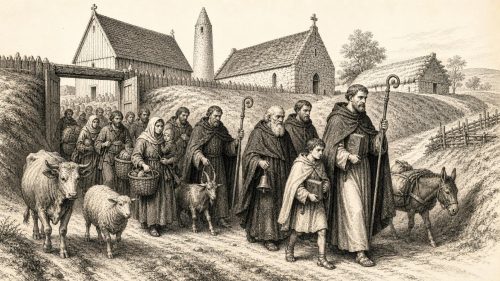
In 1021 Máel Sechnaill mac Domnaill’s restored overkingship remained active but fragile. He raided Dublin’s foreigners and Cenél nEógain, while Úgaire of Leinster defeated Sitriuc Silkbeard’s Dubliners near Delgany. Northern raids, killings and local conflicts exposed contested lordship around Airgialla. The murder of Áed, Máel Sechnaill’s heir, and other elite deaths weakened succession prospects in Mide. Amalgaid of Armagh made a politically significant visitation to Munster, asserting Patrician authority. Ecclesiastical deaths, Branacán’s drowning in Lough Ennell, and a reported shower of wheat in Osraige coloured annalistic memory. The year foreshadowed intensified struggle following Máel Sechnaill’s death in 1022 for Ireland.
Read Article
Archived: 26 September 2026
Abstract
In 1015, Ireland remained unsettled after Clontarf, which had killed Brian Bóruma, Leinster’s Máel Mórda and key heirs. Máel Sechnaill mac Domnaill, aided by Flaithbertach Ua Néill, reasserted authority by plundering Leinster, taking cattle, tribute and hostages; later sources also associate campaigning with Dublin. In Munster, Donnchad mac Briain fought rivals while local kings suffered killings and deaths. Scarcity and dissension disrupted churches, with Emly vacated, Lorrha invaded and other sites plundered. Norse-Gaelic raiders seized 150 captives from western islands. Deaths, betrayals and interdynastic violence across Connacht, Bréifne and the north underscored a fragmented, dangerous political reconstruction after Brian's death.
Read Article

Archived: 26 September 2026
Abstract
In 1011, Brian Bórama’s supremacy reached the north-west through a major campaign against Cenél Conaill. Forces led by Brian and his sons, allied with Flaithbertach Ua Néill and other rulers, raided, seized cattle and captives, and compelled Máel Ruanaid Ua Máel Doraid to submit at Cenn Corad. The events demonstrated both Brian’s wide influence and the negotiated, competitive character of Irish over-kingship. Máel Sechnaill remained within Brian’s political order, while Ulster’s dynastic conflicts continued. Deaths among royal heirs and prominent churchmen, illness near Armagh, and a plentiful nut harvest reveal a society shaped by warfare, ecclesiastical learning, disease, and resources.
Read Article

Archived: 26 September 2026
Abstract
In 1002 Brian Bórama transformed Irish politics by bringing an army to Athlone and taking hostages from Connacht and Mide, publicly demonstrating Máel Sechnaill mac Domnaill’s submission. Annals differ slightly in dating and emphasis, but confirm the event. Brian’s earlier successes over Leinster and Dublin enabled wider mobilisation, including Norse-Gaelic allies. Yet his subsequent northern expedition to Dundalk failed to secure hostages from Áed of Ailech and Eochaid of Ulaid, ending in truce. Raids, captives and ecclesiastical deaths reveal regional conflict. Coastal towns, trade and church institutions underpinned power. Brian emerged as leading king, but his island-wide overlordship remained incomplete.
Read Article
Archived: 26 October 2026
Abstract
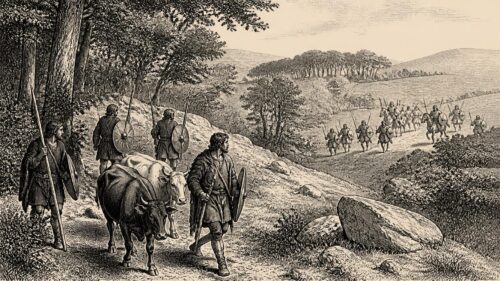
For Ireland, 962 is a year best approached through a small cluster of annalistic notices rather than a single commanding narrative. Those notices are unusually revealing. They record a failed northern raid, the killing or death of several rulers across the island, and a parallel change in Alba. Together they show a political world made up not of a unitary state but of overlapping kingships, kin-groups, ecclesiastical interests and strategic routes. The clearest event was the death of Flaithbertach son of Conchobar, king of Ailech, after an expedition into Dál nAraide. It was a sharp reminder that even a ruler
Read Article
Archived: 27 October 2026
Abstract
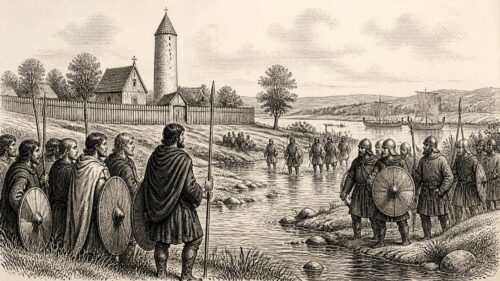
The year 946 sits in a difficult but revealing stretch of Irish history. It was a time when the claim to be king of Ireland was real enough to inspire campaigns, alliances and tribute, but not strong enough to make the island a single kingdom. Power rested in regional dynasties, church federations and the new Hiberno-Scandinavian town of Dublin. In the midlands and north-east, two Uí Néill contenders, Congalach Cnogba of Brega and Ruaidrí ua Canannáin of Cenél Conaill, were testing one another’s strength. Dublin’s ruler, Amlaíb Cuarán, was not an outsider to that contest: his forces could be allies,
Read Article
Archived: 27 October 2026
Abstract
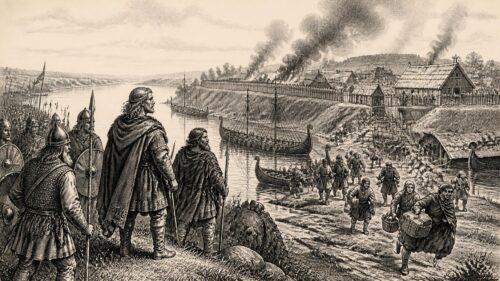
In 944, Donnchad Donn’s death after twenty-five years as king of Tara opened a contested struggle for Uí Néill supremacy. His nephew, Congalach of Brega, allied with Braen of Leinster to plunder Dublin, taking treasure, booty and possibly captives; one annal also alleges burning and four hundred deaths. The raid demonstrated Dublin’s vulnerability but did not establish conquest or end its political importance. Its wealth reflected its role as a Hiberno-Norse port within Irish Sea trade. Elsewhere, Cellachán of Cashel defeated northern Munster rivals, while local killings and ecclesiastical deaths then reveal persistent regional conflict and institutional continuity across Ireland.
Read Article
Archived: 27 October 2026
Abstract
In 943, a sudden northern catastrophe altered the balance of Irish politics. Muirchertach mac Néill, king of Ailech and one of the foremost members of the Northern Uí Néill, was killed by a force from Viking Dublin. The loss was more than that of a successful war leader. Contemporary annalists styled him rígdamna Érenn, a man eligible for the kingship of Ireland, and the Annals of Ulster mourned him in a short verse as though the land of the Irish had been left bereft.The year’s evidence is concentrated, violent and uneven. It records clashes around Strangford Lough, the killing of
Read Article
Archived: 27 October 2026
Abstract
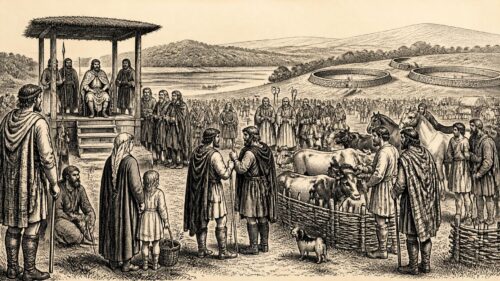
In 916, Flann Sinna died on 25 May after ruling Tara since 879, ending a long southern Uí Néill ascendancy. His son Conchobar succeeded in Mide, while Niall Glúndub of Cenél nÉogain became king of Tara, reflecting dynastic alternation rather than unified monarchy. Niall renewed the neglected Fair of Tailtiu, publicly asserting royal authority and the capacity to organise exchange, obligations and assembly. Elsewhere, raiders from Loch Dá Chae harried Munster and Leinster, killing Ainnle of Uaithne. Deaths among leading ecclesiastics and a lightning fire at Armagh exposed institutional vulnerability amid ceremony, rivalry and Scandinavian pressure throughout much of Ireland.
Read Article
Archived: 27 October 2026
Abstract
In 912, Irish annals centre on Cernachán son of Duiligén, who removed a captive from Armagh’s sanctuary and who was then killed at Loch Cerr. Niall son of Áed, king of Ailech, drowned Cernachán there, asserting Patrick’s church protection and northern Uí Néill authority. The episode reveals sanctuary, kinship and violence within fragmented kingship. Nearby notices record Niall’s campaigning, conflict between Brega and Leinster, clerical deaths and an accidental fire at Armagh. Annals also describe wet, dark weather and an appearance of Halley’s Comet. Maritime entries show Ulaid fleets, Welsh captives, ransom networks and Scandinavian activity across the Irish Sea.
Read Article
Archived: 28 October 2026
Abstract
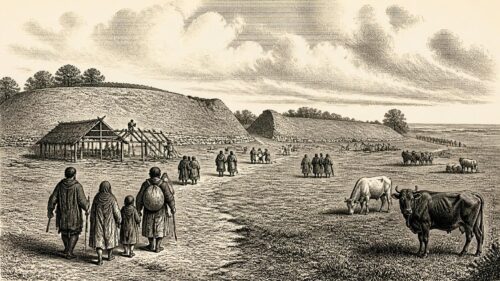
In 888, annalistic evidence records a major setback for Flann Sinna, king of Tara, when Dublin-centred foreigners defeated his coalition at the Battle of the Pilgrim. The deaths of Connacht’s king Áed and prominent churchmen exposed the breadth and fragility of Flann’s alliances. Meanwhile, Norse king Sigfrith was killed by a kinsman, and Cerball of Osraige died, altering regional politics. Northern Uí Néill forces campaigned against the south, while Tailtiu’s royal fair was not held. The year also saw Armagh’s abbot die and noted a change affecting religious women, illustrating intertwined political, ecclesiastical and social authority in contemporary Irish society.
Read Article
Archived: 28 October 2026
Abstract
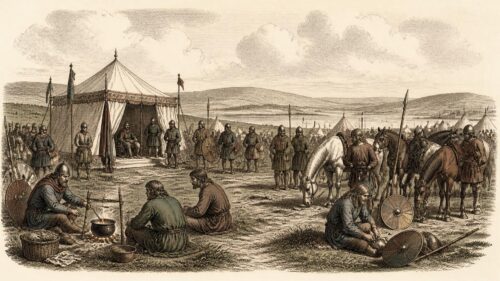
In 882, annalistic sources record Flann Sinna, king of Tara, asserting authority through campaigns, alliances and hostage-taking. With a mixed Irish and Scandinavian army, he entered northern Fochla, camped at Mag Eitir dí Glais, invaded Armagh and reportedly secured hostages from Cenél Conaill and Cenél nEógain. He also raided Munster and took hostages there. Elsewhere, the Conaille defeated the Ulaid, killing King Ainfíth and other nobles, while Scannlán of Dún Lethglaise was killed. Deaths included Connacht’s king Conchobor and several prominent churchmen. The records portray fragmented politics, where military power, ecclesiastical prestige and shifting alliances shaped rule across Ireland broadly.
Read Article
Archived: 28 October 2026
Abstract
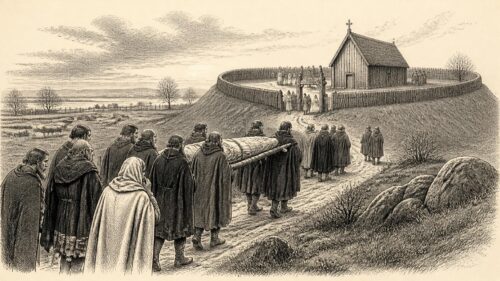
In 862 Máel Sechnaill mac Máele Ruanaid, Clann Cholmáin king of Mide and acclaimed king of all Ireland, died on 27 November after sixteen years, transferring Tara’s kingship to Áed Findliath of Cenél nÉogain. Earlier, Áed, Flann of Cianachta Brega and Scandinavian allies, including Amlaíb, raided Mide, exposing the limits of Máel Sechnaill’s negotiated supremacy. In Osraige, Cerball mac Dúnlainge and Cennétig defeated Rodolb’s Scandinavian fleet. Obituaries for churchmen and physician Máelodar attest religious and learned authority. Beneath dynastic conflict and maritime warfare, rural communities, church estates and agricultural production sustained Ireland’s competing kingdoms and their rulers throughout the year.
Read Article
Archived: 29 October 2026
Abstract
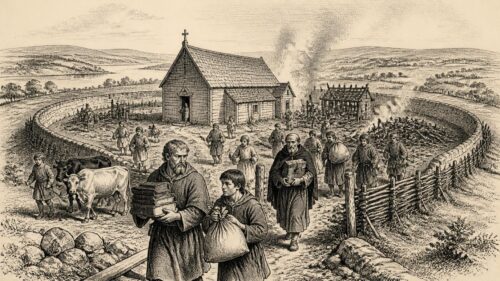
In annalistic 835, Ireland experienced intertwined political, ecclesiastical and military pressures. Niall Caille, northern Uí Néill ruler, installed Bran son of Fáelán in Leinster and devastated Mide, asserting northern influence against rival powers. Deaths of regional kings and churchmen reflected widespread instability. Foreign raiders plundered Ferns, Clonmore and Druim Ing, while burning Mungret and other western Munster churches, exposing wealthy religious centres. On 6 March, one third of Clonmacnoise burned, though its cause remains unknown. Forannán succeeded Diarmait as abbot of Armagh. Fragmentary annals reveal communities whose political authority, resources and security were vulnerable to violence throughout the island alike.
Read Article
Archived: 29 October 2026
Abstract
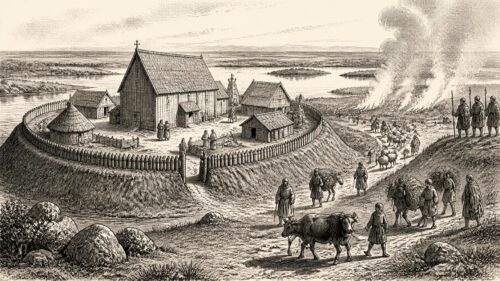
In 832, Irish annals recorded contested kingship, monastic violence and Scandinavian raids. Conchobor of Tara and Artrí of Armagh died, succeeded in Tara by Niall Caille, who defeated foreigners near Derry. Feidlimid of Cashel killed members of Clonmacnoise and Durrow and burned their protected territories, demonstrating that Irish rulers also threatened ecclesiastical centres. Cellach son of Bran attacked Kildare’s community. Foreign raiders plundered Clondalkin, burned Drumiskin and raided Loch Bricrenn, where Congalach died near ships. Regional rulers and churchmen also died, while Lismore and southern Munster suffered violence. The sources preserve consequences, but often omit motives, perpetrators and ordinary experience.
Read Article
Archived: 29 October 2026
Abstract
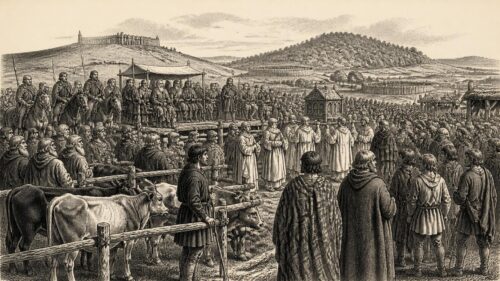
In 830, Ireland’s fragmented political and ecclesiastical powers collided at Tailtiu, where a dispute over Mac Cuilinn’s shrine and Patrick’s relics caused many deaths during the major assembly. Diarmait, abbot of Iona, returned with Columban sacred objects, illustrating ecclesiastical connections across the North Channel. Scandinavian raiders captured Conaille’s king and brother, and defeated Armagh’s community at Aignig. Armagh also suffered royal coercion from Conchobor of Tara. Feidlimid of Cashel campaigned into Meath, provoking Conchobor’s counter-raid. Death notices for Kildare, Movilla and Armagh leaders, alongside Óengus’s Martyrology, reveal enduring religious learning amid instability. The annalistic chronology itself remains uncertain and reconstructed.
Read Article
Archived: 29 October 2026
Abstract
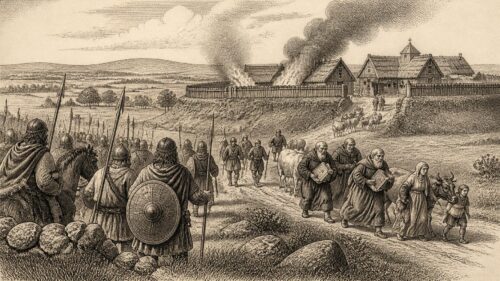
In 826, as conventionally dated despite annalistic discrepancy, Feidlimid mac Crimthainn, king of Munster, led an army into the midlands and burned Delbna Bethra, threatening Mide and estates linked to Clonmacnoise. His campaign challenged Conchobar mac Donnchada’s authority at Tara amid rivalry later followed by negotiations at Birr. Deaths of kings in Brega and Mide, and the deceitful killing and wounding of rulers in Tethba, exposed fractured local lordship. Ecclesiastical leaders died at Armagh, Clonard and Clonfert. A plague warning caused widespread fear, while Daire’s law was renewed in Connacht. No securely dated Viking raid is recorded in principal annals.
Read Article
Archived: 29 October 2026
Abstract
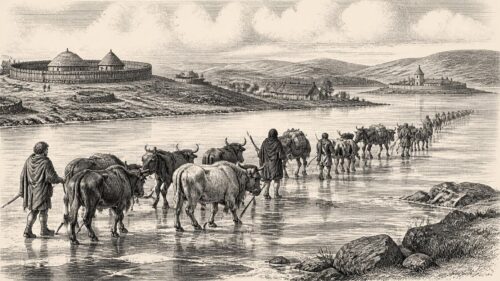
In 822, Irish annals recorded an exceptional frost that froze seas, lakes and rivers, enabling herds, horses and laden traffic to cross waterways. Political conflict centred on Brega, where Murchad of Cenél nEógain gained secret submissions before Conchobor of Clann Cholmáin reasserted control through devastation and coercion. Warfare also killed rulers and nobles in Connacht, Bréifne, Ard Ciannachta and the midlands. Ecclesiastical leaders died at Birr, Achad Bó Cainnig and Lugbad, illustrating churches’ roles. Chronicon Scotorum reports raids on Daiminis and Corcach. These notices portray a Ireland shaped by environmental change, dynastic rivalry, local warfare, religious institutions and seaborne vulnerability.
Read Article
Archived: 29 October 2026
Abstract
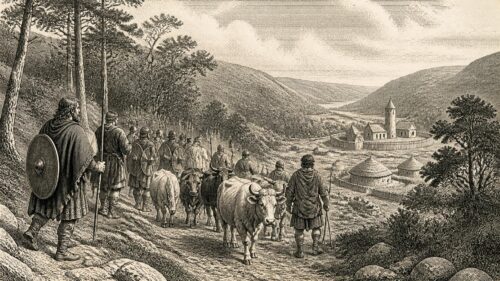
In 819, Áed Oirdnide, northern Uí Néill king of Tara, ravaged Cualu and reached Glendalough before dying near Áth dá Ferta in Mag Conaille. His death ended a long pursuit of supremacy but did not create a unified Irish kingdom. Conchobar son of Donnchad of Clann Cholmáin succeeded him, amid rivalry between Cenél nÉogain and Cenél Conaill, in which Máel Bresail was killed. Other conflicts claimed Cairell in Ulaid, while Leinster lost Cathal of Uí Cheinnselaig, prior of Ferns. At Armagh, Whitsun rites were disrupted. Ecclesiastical obituaries underline churches’ political, social and learned importance, while rural communities endured warfare’s burdens.
Read Article
Archived: 30 October 2026
Abstract
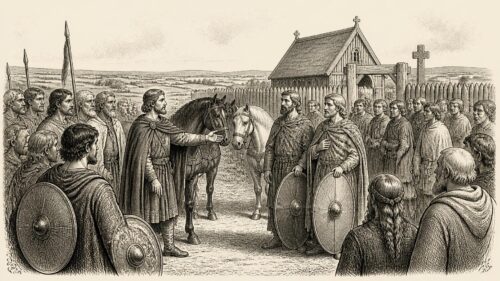
In 805, Áed Oirdnide, king of Tara, led a hosting to uncertainly located Dún Cuair and divided Leinster between Muiredach son of Ruaidrí and Muiredach son of Bran, asserting northern Uí Néill overlordship. The settlement favoured rival Leinster dynasties, limiting consolidation against Tara, though not ending provincial independence. Annalistic dating is problematic, but modern scholarship associates the intervention with 805. That year also saw the death of Ólchobar, a Munster royal heir, without recorded succession details. Churches wielded land, learning and political influence amid rural farming society. A possible pestilence is chronologically uncertain; no securely recorded Viking raid occurred there.
Read Article
Archived: 30 October 2026
Abstract
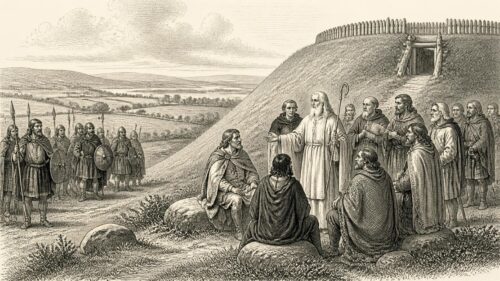
In 804, Áed Oirdnide, king of Tara, intensified Uí Néill authority by devastating Leinster twice and securing the submission of Fínnechta Cetharderc. Connmach, abbot of Armagh, led a synod of Uí Néill churches at Dún Cuair, linking ecclesiastical influence with royal power. A tradition credits Áed with exempting clergy from military service, though its evidence is uncertain. Northern conflict claimed several leaders, while a severe March storm devastated Corcu Baiscinn and altered coastal land. Deaths at Birr, Lusk and Kildare highlighted ecclesiastical succession; Cenannas was peacefully transferred to the Columban community, demonstrating religious patronage's political importance during this turbulent year.
Read Article
Archived: 30 October 2026
Abstract
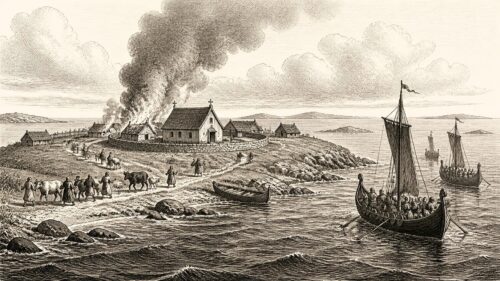
In 797, heathen raiders burned Inis Pátraic, probably Holmpatrick near Skerries, seized cattle-tribute, broke Do-Chonna’s shrine, and made incursions in Ireland and Alba. The attack demonstrates early maritime raiding against exposed church communities and regional wealth, but does not prove settlement or identify attackers beyond the annals’ term heathens. Simultaneously, Donnchad Midi, dominant Southern Uí Néill king of Tara, died, while Áed Oirdnide defeated his supporters at Druim Ríg, devastated Mide and began his reign. Annals also record deaths among Kildare, Clonmacnoise and Inis Cathaig clergy, revealing ecclesiastical institutions embedded in political, economic and learned networks across Irish regional society.
Read Article

Archived: 30 October 2026
Abstract
In 783, Irish annals recorded political rivalry, regional warfare, ecclesiastical change and royal deaths across a connected but divided island. Donnchad, southern Uí Néill ruler, and Fiachna of Ulaid met at Inis na Ríg, yet neither would enter the other’s sphere, exposing limits to high-kingship. Battles occurred among northern Uí Néill groups and at Carn Conaill in Connacht, while Áth Truim was burned. Church leaders died, including Flann of Inis Caín Dega, killed by poison; Dúnchad of Uí Maine adopted religious observance. Relics reached Tailtiu, demonstrating ecclesiastical authority and mobility. The notices reveal shifting local power rather than unified rule.
Read Article
Archived: 30 October 2026
Abstract
In 781, men of Brega defeated a Leinster force at the battle of the Ríg during Samhain, killing Cú Chongalt, king of Ráith Inbir. Annals name four Bregan leaders and preserve a verse recalling an unwelcome Leinster visit and encampment beside the river. The conflict reflected contested borderlands, dynastic rivalry and pressure from Tara under Donnchad Midi, without proving his involvement. Autumn warfare affected farming, tribute, livestock and local authority. Society remained rural, bound by clientship and ecclesiastical institutions. The evidence records no Viking activity, permanent conquest, or precise location, illustrating both the political significance and limits of surviving sources.
Read Article
Archived: 30 October 2026
Abstract
In 776, Irish annals record political conflict alongside severe environmental and health pressures. Donnchad Midi, ruler of Mide, organised a Leinster hosting against Brega, disturbed an assembly involving the Ciannachta, and entered conflict with Congalach, whose later defeat should not be dated to this year. Flaithrí, king of Connacht, died, while skirmishes and killings involved northern and local dynasties. Most strikingly, summer brought heavy rain and wind, described as winterlike, followed by bloody flux, widespread illness and major cattle murrain. These disasters threatened rural livelihoods, tribute and social security. The notices also record death of Bán Boidbgni, a learned man.
Read Article
Archived: 30 October 2026
Abstract
In 775, Irish annalistic evidence records deaths of ecclesiastical and learned figures, including Scannal, Maicníad, Augustin, Adarchu and Forbflaith, abbess of Clonbroney, alongside a battle at Uilleann Guaire that killed Flann son of Cellach and Scannlán son of Fínnechta. Dates and details remain uncertain because medieval annalistic chronologies differ. The year also saw Donnchad Midi, king of Tara, devastate Munster, demonstrating coercive but limited overlordship. These notices reveal interconnected political, religious and intellectual communities, in which churches held economic and social authority, women could lead religious houses, and rural households locally sustained kingdoms and monasteries through labour, rents, and service.
Read Article
Archived: 30 October 2026
Abstract
In 774, Irish annals recorded political unrest, elite deaths, ecclesiastical change and lethal illness across a fragmented yet connected island. A disturbance involving Donnchad Midi, probably at Tailtiu’s major assembly, reflected his contested consolidation of Clann Cholmáin power in Mide and among the Uí Néill, though details remain unknown. Kings of Cruachain Ai, Cenél Fiachach, the Cruithni, Uí Fhidgeinte and Corcu Baiscinn died, illustrating regional succession. Obituaries for abbots, a bishop-scribe and an anchorite demonstrate churches’ social and political importance. A bloody flux killed Eógan son of Colmán and many others, exposing wider vulnerability. No Viking raids were recorded there.
Read Article
Archived: 30 October 2026
Abstract
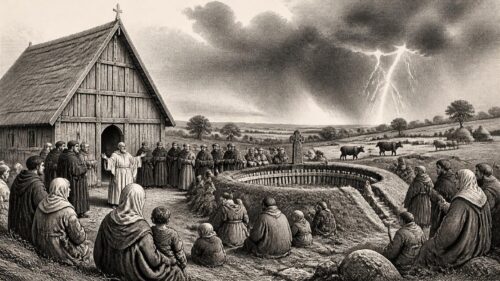
In annalistic year 771, Donnchad mac Domnaill, king of Tara, led a hosting to Cnoc Báine, probably in modern County Tyrone, demonstrating authority rather than recording a confirmed victory. The annals also note killings of Conchobor and Connacht rulers Áed Aithgein of Uí Maine and Art of Aidne. The law of saints Comán and Aedán was renewed across the three Connachts, illustrating church and secular collaboration. A severe Michaelmas thunderstorm prompted widespread fasting. Deaths included ecclesiastics from Clonard and Cluain Eidnig, and Suibne, abbot of Iona. Chronological discrepancies among later annals require caution when assigning additional events to this year.
Read Article
Archived: 30 October 2026
Abstract
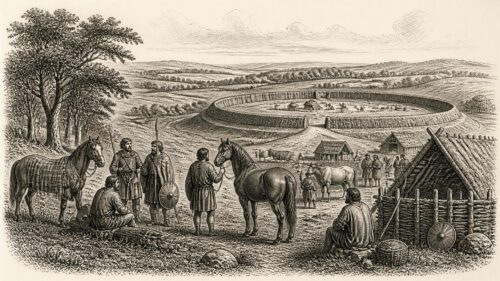
In 769, annalistic dating varied, yet records depict regional conflict. Donnchad Midi’s Uí Néill army camped at Ráith Ailinne for seven days and ravaged Leinster’s borderlands, while Cellach of Leinster later won at Áth Orc amid internal provincial struggles. Battles also affected Brega, Dublin Bay and south Leinster. In Osraige, King Tóim Snáma was killed after recent dynastic fighting. Conchobar of Aidne and Torpaid of Corcu Modruad died, alongside prominent churchmen, including abbots of Clogher and Clonmacnoise. The sources reveal fragmented kingship, military mobility and vulnerable communities. Tallaght’s foundation remains uncertain, and adjacent notices cannot securely be assigned to 769.
Read Article





