Archived: 1 November 2026
Abstract
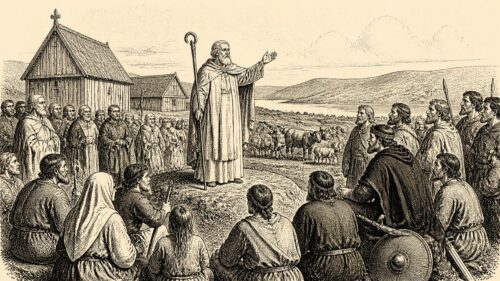
In 721, Cathal son of Finguine of Munster and Murchad son of Bran of Leinster devastated Mag Breg, challenging Uí Néill authority around Tara. Fergal son of Máel Dúin, king of Tara, responded by imposing cattle tribute and taking hostages from Leinster, demonstrating his political supremacy. Inisfallen instead preserves a Munster-centred claim that Cathal and Fergal made peace and that Fergal submitted. Inmesach the religious established a law proclaiming Christ’s peace across Ireland at Campo Delenn. Annals note conflict between Connachta and Corco Baiscinn, deaths of rulers and churchmen, and reveal rivalry, ecclesiastical influence, and limits of evidence for life.
Read Article
Archived: 1 November 2026
Abstract
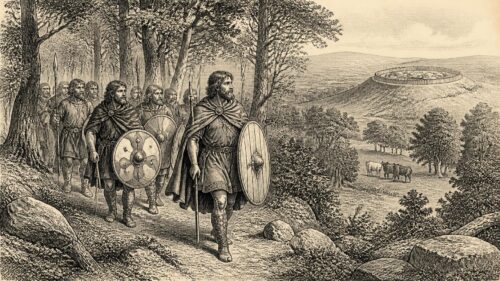
In 711, Fergal son of Máel Dúin of Cenél nÉogain defeated Uí Méith at Sliab Fúait in south Armagh, killing their king Tnúthach and Cú Raí of the Brega-based descendants of Áed Sláine. The victory strengthened Fergal’s authority in a contested borderland, though it did not establish national rule. Annals also record Cenn Fáelad, abbot of Fore, illustrating churches’ economic and political importance. Across the Irish Sea, Dál Riata defeated Britons at Lorg Ecclet, reflecting maritime connections. Annalistic date differences require caution, but together these notices portray competing kingdoms, religious communities and interconnected Irish Sea politics in early medieval Ireland.
Read Article
Archived: 1 November 2026
Abstract
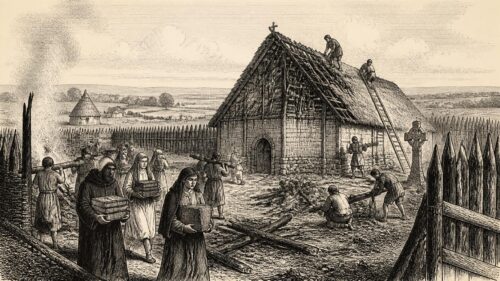
In 709, although annalistic year-numbering varies, Congal Cennmagair of Cenél Conaill died suddenly, reportedly in a fit, ending his kingship of Tara. Fergal son of Máel Dúin of Cenél nÉogain succeeded, reflecting competitive Uí Néill dynastic politics rather than automatic inheritance or unified national rule. The annals also record the burning of Cell Dara, later Kildare, a wealthy and influential Leinster ecclesiastical centre, but provide neither cause nor extent of damage. Deaths of the abbots of Iona and Lorrha underline interconnected Irish Sea religious networks. Together these notices reveal entwined royal, ecclesiastical, economic and patronage systems amid persistent historical uncertainty.
Read Article
Archived: 1 November 2026
Abstract
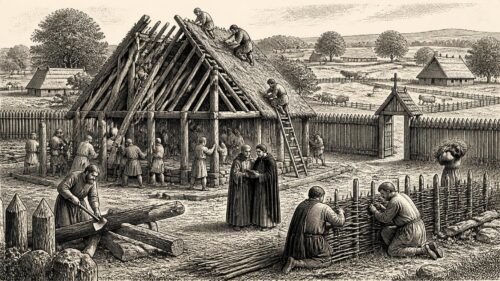
In 708, Cill Dara, modern Kildare, suffered a destructive fire, although annals provide no cause, casualties or details of damage. The disaster followed the death of its bishop, Mael Dóbarchon, and required resources and patronage for recovery. Congal Cennmagair of Cenél Conaill, a leading Uí Néill overking, also died suddenly, prompting Fergal of Cenél nEógain’s accession around 708–709. Obituaries for the abbots of Iona and Lorrha demonstrate ecclesiastical networks extending across Ireland and the Irish Sea. These events reveal a rural, politically fragmented society dependent on churches, agriculture, kinship, tribute and personal leadership, vulnerable to fire, death and shifting alliances.
Read Article
