Archived: 29 October 2026
Abstract
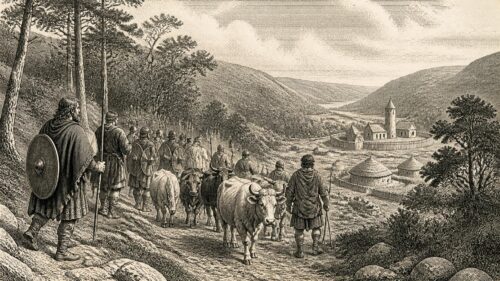
In 819, Áed Oirdnide, northern Uí Néill king of Tara, ravaged Cualu and reached Glendalough before dying near Áth dá Ferta in Mag Conaille. His death ended a long pursuit of supremacy but did not create a unified Irish kingdom. Conchobar son of Donnchad of Clann Cholmáin succeeded him, amid rivalry between Cenél nÉogain and Cenél Conaill, in which Máel Bresail was killed. Other conflicts claimed Cairell in Ulaid, while Leinster lost Cathal of Uí Cheinnselaig, prior of Ferns. At Armagh, Whitsun rites were disrupted. Ecclesiastical obituaries underline churches’ political, social and learned importance, while rural communities endured warfare’s burdens.
Read Article
Archived: 30 October 2026
Abstract
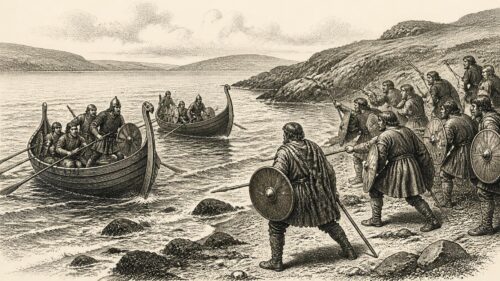
In 811, annalistic evidence records Scandinavian raiding and Irish political religious activity across Ireland. Men of Umall killed raiders, while Scandinavians defeated the Conmaicne; Cobthach of Loch Léin likewise slew raiders in Munster. These mobile incursions brought no proven permanent settlement. Muirgius son of Tomaltach, king of Connacht, led a southern hosting, though its destination and outcome remain unknown. Daire's law was promulgated in Connacht, demonstrating ecclesiastical and secular cooperation. Deaths of prominent abbots, bishops and regional kings highlighted interconnected religious institutions and fragmented political authority. The year reveals local resistance, royal ambition, church privilege, and pressures on coastal communities.
Read Article


