Archived: 29 October 2026
Abstract
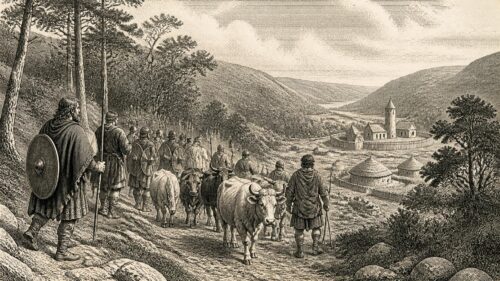
In 819, Áed Oirdnide, northern Uí Néill king of Tara, ravaged Cualu and reached Glendalough before dying near Áth dá Ferta in Mag Conaille. His death ended a long pursuit of supremacy but did not create a unified Irish kingdom. Conchobar son of Donnchad of Clann Cholmáin succeeded him, amid rivalry between Cenél nÉogain and Cenél Conaill, in which Máel Bresail was killed. Other conflicts claimed Cairell in Ulaid, while Leinster lost Cathal of Uí Cheinnselaig, prior of Ferns. At Armagh, Whitsun rites were disrupted. Ecclesiastical obituaries underline churches’ political, social and learned importance, while rural communities endured warfare’s burdens.
Read Article
Archived: 29 October 2026
Abstract
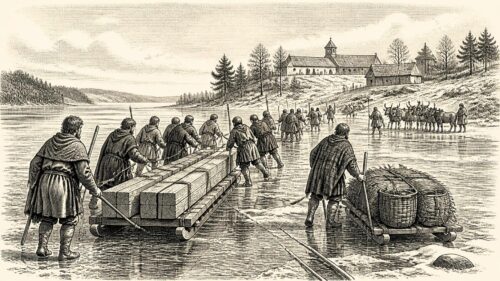
In 817, severe frost and snow transformed Ireland’s rivers and lakes into temporary routes. People crossed the Boyne dry-shod, hunted and moved livestock on Lough Neagh, and carried oratory materials across frozen Lough Erne. Áed Oirdnide, high king of Tara, imposed a partition of Leinster, while violence there dishonoured and killed church officers. Religious authority travelled: Cuanu took Mochta’s shrine to Munster, and Artrí brought Patrick’s shrine to Connacht. In the west, Uí Briúin rulers defeated Uí Maine at Forath, killing King Cathal and nobles. Fire destroyed a third of Clonmacnoise, emphasising ecclesiastical vulnerability and reconstruction during this extraordinary year.
Read Article
Archived: 30 October 2026
Abstract
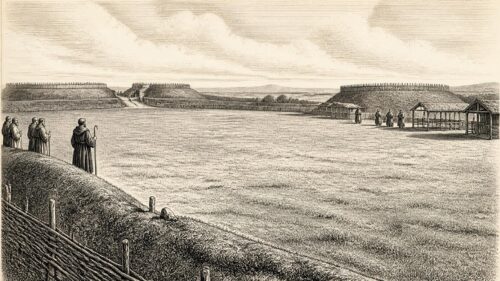
In 810, Tallaght’s monastic community prevented the royal fair at Tailtiu after the Uí Néill violated its sanctuary, leaving the assembly devoid of expected horses and chariots. Subsequent gifts to Tamlacht indicate public redress and demonstrate ecclesiastical leverage over Áed son of Niall’s kingship. Nuadu, abbot of Armagh, carried Patrick’s law and a casket to Connacht, extending Patrician claims without recorded outcome. The Ulaid defeated Scandinavian raiders, the first surviving annalistic Irish victory, though details remain unknown. Death notices recall monastic and aristocratic life, while the disrupted fair depended upon agricultural surplus and rural exchange across early medieval Irish society.
Read Article
Archived: 30 October 2026
Abstract
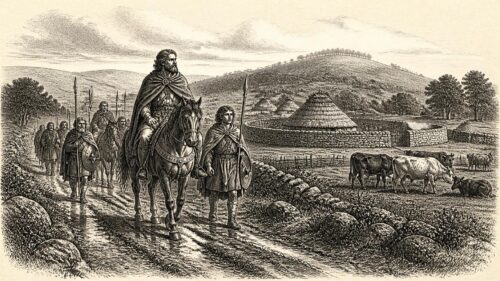
In 809, Muirgius, Uí Briúin overking of Connacht, devastated the Luigni after they killed his sons Tadc and Flaithnia, demonstrating how dynastic loss prompted collective military punishment. The episode reflected Connacht’s fragmented politics, where alliances, kinship and armed followings underpinned authority. Annals also record deaths of regional kings, churchmen and officials, highlighting unstable personal networks of power. Notices concerning Glendalough and Lorrha indicate ecclesiastical leadership changes, though sources disagree on names and chronology. Rural communities sustained kings and churches through cattle, grain and labour, while warfare endangered livelihoods. No securely dated Viking raid is recorded anywhere for Ireland that year.
Read Article
Archived: 30 October 2026
Abstract
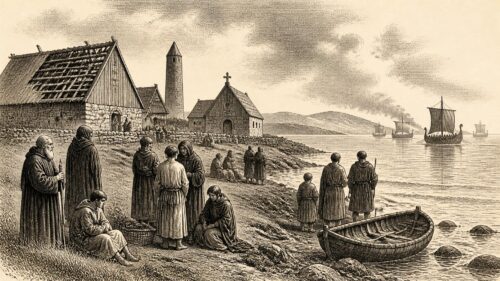
In 806, though annalistic dating varies, Ireland experienced pestilence, political upheaval, ecclesiastical losses and attacks on religious sites. A great mortality was recorded alongside abundant woodland mast, without identifying the disease. Áed Oirdnide promulgated Patrick’s law, reinforcing links between royal authority and Armagh, while Fínshnechtae regained Leinster and Flaithnia of Uí Fhailgi was killed. Leading churchmen died, and Tír dá Glas was burned for unknown reasons. Most notably, pagan seaborne raiders killed sixty-eight members of Iona’s Columban community. The massacre exposed monasteries’ maritime vulnerability, although Iona and its Irish-connected Columban network survived and remained influential throughout the Irish Sea world.
Read Article
Archived: 30 October 2026
Abstract
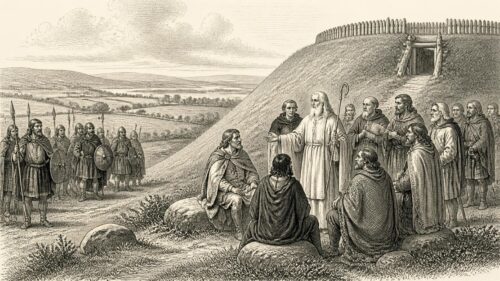
In 804, Áed Oirdnide, king of Tara, intensified Uí Néill authority by devastating Leinster twice and securing the submission of Fínnechta Cetharderc. Connmach, abbot of Armagh, led a synod of Uí Néill churches at Dún Cuair, linking ecclesiastical influence with royal power. A tradition credits Áed with exempting clergy from military service, though its evidence is uncertain. Northern conflict claimed several leaders, while a severe March storm devastated Corcu Baiscinn and altered coastal land. Deaths at Birr, Lusk and Kildare highlighted ecclesiastical succession; Cenannas was peacefully transferred to the Columban community, demonstrating religious patronage's political importance during this turbulent year.
Read Article
Archived: 30 October 2026
Abstract
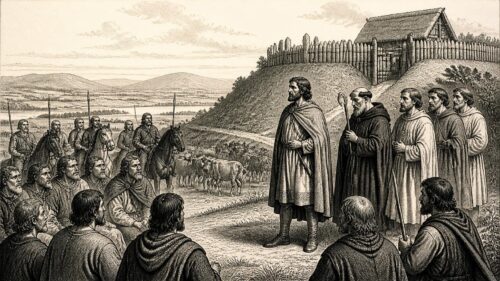
Recorded under Annals of Ulster U804, conventionally AD 803, the year saw Áed Oirdnide devastate Leinster twice, compelling Fínshnechtae Cetharderc’s submission. At Dún Cuair, an Uí Néill assembly presided over by Armagh’s abbot Connmach linked royal and ecclesiastical authority. At Fothad na Canóine’s urging, Áed exempted Irish clerics from military hostings, establishing an influential ideal of clerical immunity. Notices also record deaths of regional rulers and church officers, a local northern battle, and a destructive storm in Corcu Baiscinn. Cenannas, later Kells, was granted without conflict to Colum Cille’s Columban community, strengthening its religious importance in Meath for subsequent centuries.
Read Article
Archived: 30 October 2026
Abstract
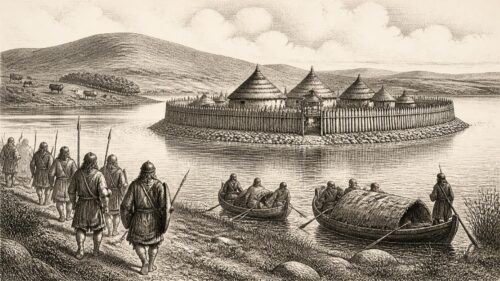
In 802, annalistic records reveal interconnected political, military and ecclesiastical pressures across Ireland and the Irish Sea. After Muiredach of Mide died, Áed Oirdnide, king of Tara, led an armed hosting into Mide and divided its rule between Conchobar and Ailill, sons of Donnchad Midi. In Connacht, Muirgius destroyed the crannóg fortress at Loch Riach, demonstrating power near Uí Maine. Heathens burned Iona, a major Columban centre linking Ireland and Scotland. Deaths included Queen Euginis, rulers of Osraige and Mugdorna, and prominent abbots and churchmen. These events show authority dispersed among dynasties, local kingdoms and monasteries, not one unified state.
Read Article


