Archived: 28 October 2026
Abstract
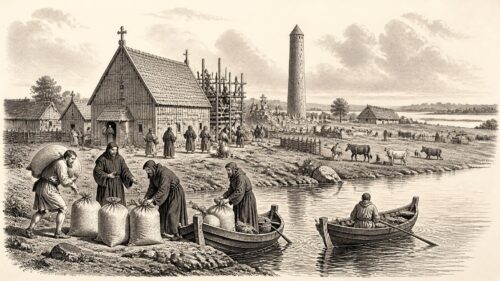
In 876, the Annals of Inisfallen record the deaths of Rechtabra son of Bran, king of Leinster, and Eógan, abbot of Clonmacnoise. Rechtabra’s death potentially unsettled Leinster’s contested kingship, where succession depended upon kinship, alliances and support rather than primogeniture. Eógan’s death affected a major church whose religious, economic and political influence extended across Ireland. Rural production, estate obligations and riverine communications nevertheless continued. Uncertain Annals of Ulster notices, conventionally placed in 877 but internally dated 876, describe Rhodri of Gwynedd’s flight to Ireland and Scandinavian conflict at Strangford Lough. Records portray institutional transition within a changing Irish Sea world.
Read Article
Archived: 28 October 2026
Abstract
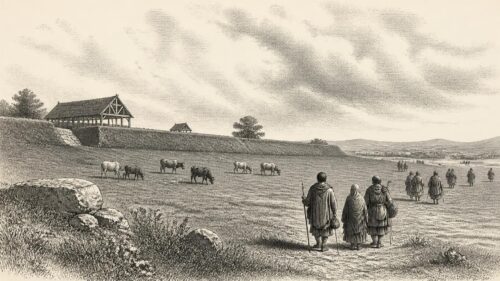
In 873, amid uncertain annalistic dating, Ireland experienced political change across local kingdoms and the Irish Sea world. Ímar, pre-eminent Norse ruler associated with Dublin, died, weakening but not ending Scandinavian influence; his dynasty remained important. Irish kings Dúnchad of Cashel and Cerball of Osraige raided Connacht, while Dublin forces plundered Munster. Lethlabar of Dál nAraide died, reshaping succession and rivalry in Ulaid. Several lesser rulers and church leaders also died. Most notably, Tailtiu’s great assembly failed to convene without adequate cause, apparently exposing Áed Findliath’s weakened royal authority. These events reveal resilient communities, enduring institutions, and fragmented, competitive power.
Read Article
Archived: 28 October 2026
Abstract
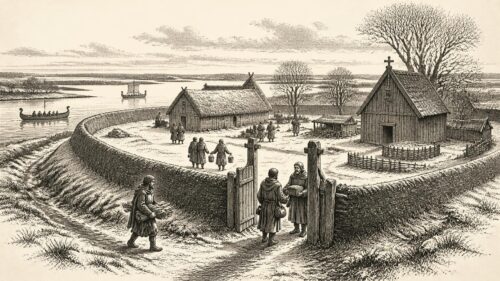
In 872, Irish annals record deaths, ecclesiastical transitions and an inland winter raid rather than major battles or assemblies. Cenn Fáelad, king of Cashel and abbot of Emly, died after illness, uniting royal and religious authority. Ferdomnach of Clonmacnoise, Gnia of Duleek, and several church leaders also died, highlighting monastic networks of learning, patronage and resources. Mugrón of Connacht and Máel Ruanaid of northern Uí Moccu Uais likewise died. Around 1 February, foreign rulers massacred or raided communities from Trí Maige and Trí Comainn to Slieve Bloom, demonstrating inland vulnerability. The year reveals plural, literate institutions exposed to Scandinavian-led violence.
Read Article

