Archived: 27 October 2026
Abstract
In 929, sparse annalistic evidence illuminates Ireland’s political, ecclesiastical and maritime connections. Céile, successor of Comgall of Bangor, died on pilgrimage in Rome on 14 September, demonstrating Irish links with Latin Christendom. Donnchad Donn, king of Tara, led an armed expedition against Muirchertach mac Néill at Liathdruim, apparently without a recorded battle. A fleet appeared on Lough Corrib, reflecting the strategic significance of inland waterways. Death notices for Tuathal, bishop and scribe, and Fínnechta, Ciarraige Luachra king, anchorite and counsellor, reveal intertwined religious learning, institutional authority and regional lordship. Differing annalistic dates require interpretation across competing manuscripts and chronological systems.
Read Article
Archived: 27 October 2026
Abstract
Annals conventionally assigned to 928 describe Ailche’s son leading Scandinavian or Hiberno-Scandinavian forces across Lough Neagh, ravaging islands and adjacent territories, demonstrating inland waterways’ strategic importance. Chronological uncertainties complicate the dating of related notices. Norsemen killed Donnchad, northern heir-designate, while Donnchad Donn of Mide killed his nephew Máel Ruanaid; rivalry with Muirchertach also limited Tara’s authority. Diarmait of Osraige died. Ecclesiastical leaders at Birr, Aghaboe and Cork died, and Bangor’s Céile began a Roman pilgrimage. Records also note elite women’s deaths and a disputedly dated raid on Kildare, revealing interconnected dynastic, church and Scandinavian power networks across Ireland and Europe.
Read Article
Archived: 27 October 2026
Abstract
In 927, the Annals of Inisfallen record a Munster and Limerick Scandinavian victory over Waterford’s foreigners at Cell Mo-Chellóc, probably Kilmallock, demonstrating shifting alliances among Irish kingdoms and Viking settlements. They also note the death of Máel Brigte, abbot of Armagh and Iona, whose dual leadership united ecclesiastical federations. Other annals, chronologically offset, describe Dublin’s instability under Gofraid, Sitriuc’s death, and a bloodless confrontation at Tailtiu, reflecting contested Uí Néill authority. Later sources report churchmen, pilgrimage and raids, but their dating is uncertain. Together, the evidence depicts interconnected warfare, religious prestige, travel and political rivalry across Ireland and Irish Sea.
Read Article
Archived: 27 October 2026
Abstract
In 926, annalistic sources record Scandinavian raids and Irish responses across a politically fragmented Ireland. Foreigners from Strangford Lough sacked Dún Sobairche, while southern traditions report attacks on Kildare. Muirchertach son of Niall defeated raiders at Snám Aignech and later routed Alpthann son of Gofraid’s fleet-derived force near Dundalk, killing Alpthann and besieging survivors until Dublin’s king Gofraid intervened. These successes enhanced Muirchertach’s northern standing but did not end Scandinavian power or establish national unity. Elsewhere, Fergus of Lurg was killed by Bréifne, Colmán of Clonmacnoise and Clonard died, and Waterford’s fleet moved to Loch Gair in a notable redeployment.
Read Article
Archived: 27 October 2026
Abstract
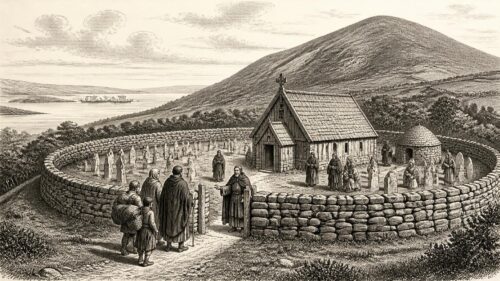
In the annalistic year conventionally associated with 923, Scandinavian raiders from Carlingford Lough plundered Cell Shléibe, modern Killeavy, and killed Duiblitir, a priest of Armagh. Other plundering struck ecclesiastical districts in Louth, while obituaries of clergy and church officers reveal institutions linking learning, estates and regional authority. Political insecurity appeared in the treacherous killings of rulers and designated heirs in Conaille, Connacht and Leinster. The death of Lígach, queen of Brega, highlighted dynastic marriage and memory. Sources offer no full social or economic picture, but depict interconnected churches and kindreds vulnerable to maritime raiding and internal rivalry throughout the island.
Read Article
Archived: 27 October 2026
Abstract
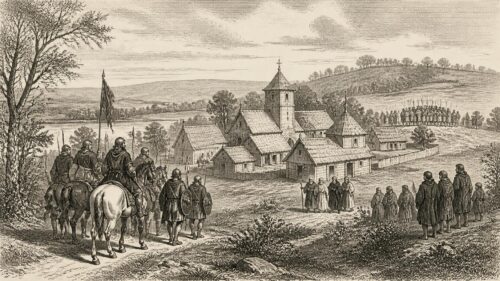
In 921, amid uncertain annalistic dating, Ragnall grandson of Ímar died and Gofraid assumed control of Dublin, reshaping Irish Sea politics alongside Sitriuc’s succession in York. Donnchad Donn strengthened his precarious position through the deceitful killing of his brother Domnall, while another heir died. Scandinavian fleets operated in the north-west, but Fergal’s forces destroyed one vessel. On 10 November Gofraid raided Armagh’s hinterland, sparing its principal religious community yet inflicting serious disruption; Muirchertach later defeated part of his force. Ecclesiastical leaders died, one source recorded plague, and warfare threatened rural livelihoods across politically fragmented Ireland and its interconnected maritime world.
Read Article
Archived: 27 October 2026
Abstract
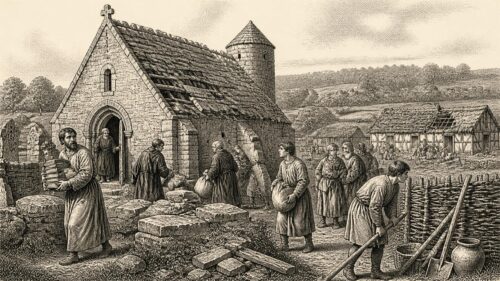
Accounts conventionally dated to 920 depict Ireland under political, military and ecclesiastical pressure. Donnchad Donn, newly king of Tara, won a notable but imprecisely located victory over Scandinavian-associated forces, strengthening a contested claim to overlordship. Sitriuc Cáech left Dublin, signalling a change in leadership rather than the settlement’s collapse. Foreigners attacked Cenannas (Kells), damaging its stone church, killing many people and burning Tuilén’s church. In Munster, Cormac son of Cuilennán, bishop, abbot, king of the Déisi and counsellor, was killed by Uí Fhothaid Aiched. The notices, chronologically uncertain in detail, reveal intertwined warfare, regional kingship, church wealth and maritime power.
Read Article


