Archived: 27 October 2026
Abstract
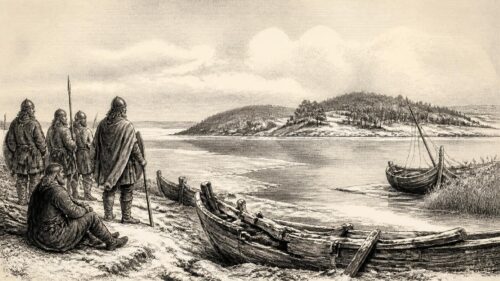
In 945, annals recorded an exceptional frost that froze lakes and rivers, altering travel without proving famine. Domnall son of Muirchertach and Flaithbertach killed the Scandinavian-associated force on Lough Neagh and destroyed its fleet, ending the last clear record of such lake-based power. In Dublin, Blacair yielded rule to Amlaíb Cuarán, whose alliance with Congalach of Brega defeated followers of Ruaidrí Ua Canannáin in Conaille. Deaths included ecclesiastics Máel Tuile and Máel Dúin, prior of Armagh, and Aurchad, king of western Connacht. These notices reveal interconnected regional dynasties, churches, waterways and maritime centres amid shifting power across the Irish island.
Read Article
Archived: 27 October 2026
Abstract
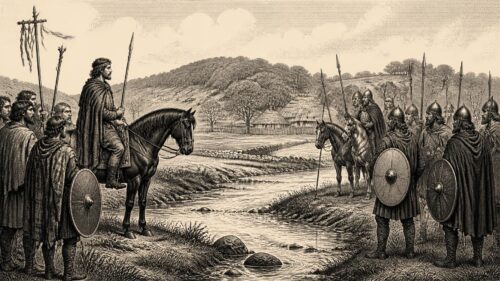
In 943, a sudden northern catastrophe altered the balance of Irish politics. Muirchertach mac Néill, king of Ailech and one of the foremost members of the Northern Uí Néill, was killed by a force from Viking Dublin. The loss was more than that of a successful war leader. Contemporary annalists styled him rígdamna Érenn, a man eligible for the kingship of Ireland, and the Annals of Ulster mourned him in a short verse as though the land of the Irish had been left bereft.The year’s evidence is concentrated, violent and uneven. It records clashes around Strangford Lough, the killing of
Read Article
Archived: 27 October 2026
Abstract
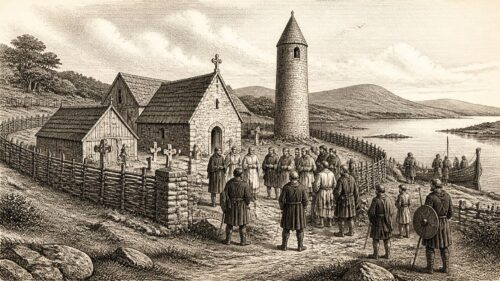
In 942, Dublin Norse forces under Blacair son of Gothfrith ravaged the wealthy ecclesiastical centres of Clonmacnoise and Kildare, demonstrating their reach beyond the coast amid fractured Irish and Scandinavian politics. In Ulaid, a son of Ragnall plundered Dún Lethglaise, but Matudán, king of Ulaid, swiftly killed him after pursuing the raiders from their island refuge. The year also brought the death of Faelán, long-serving king of Leinster, and killings linked to Congalach of Brega’s rising power. Deaths of senior churchmen at Clonmacnoise and Clonard underscored churches’ political and economic importance, resilience, and vulnerability to warfare across the island alike.
Read Article
Archived: 27 October 2026
Abstract
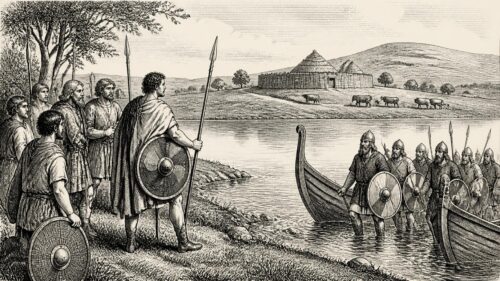
In 940, annalistic records depict Ireland as a politically fragmented but connected island. Donnchad mac Flainn, king of Ireland, and Muirchertach mac Néill led forces through Leinster and Munster, taking hostages to enforce overlordship, while Donnchad also raided Brega and Lann Léire. Connacht forces killed Aralt, grandson of Ímar and a Limerick Scandinavian leader, demonstrating resistance to maritime power. Muirchertach was implicated in the death of Niall, heir of Ailech, amid dynastic rivalry. Deaths included Ailech’s queen and senior churchmen. Rural farming, monasteries, coastal travel and growing Scandinavian towns underpinned society beyond the annals’ focus on rulers and warfare alone.
Read Article

