Archived: 23 October 2026
Abstract
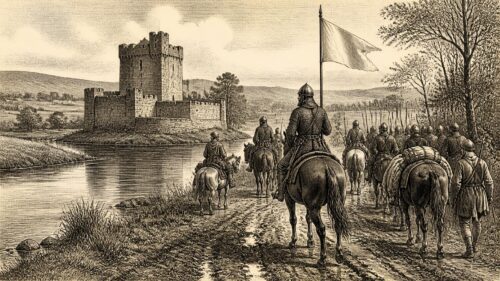
In 1345, the sharpest political struggle in the English lordship of Ireland unfolded not at a frontier ford but across the towns, castles and lordships of Munster. Sir Ralph Ufford, justiciar of Ireland and the king’s chief governor, moved against Maurice fitz Thomas FitzGerald, first earl of Desmond. Their quarrel exposed a basic weakness in royal administration: the Crown needed the co-operation of the great Anglo-Irish magnates, yet Ufford sought to discipline them with an unusually forceful assertion of central authority.The year also brought a violent change of ruler in Connacht, fighting upon Lough Neagh in Ulster, and smaller but
Read Article
Archived: 27 October 2026
Abstract
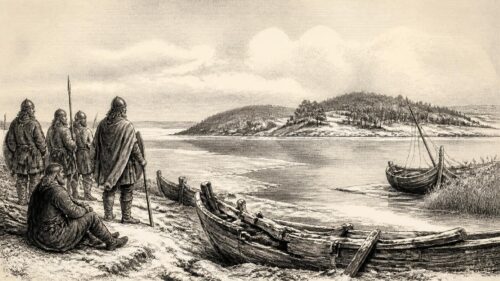
In 945, annals recorded an exceptional frost that froze lakes and rivers, altering travel without proving famine. Domnall son of Muirchertach and Flaithbertach killed the Scandinavian-associated force on Lough Neagh and destroyed its fleet, ending the last clear record of such lake-based power. In Dublin, Blacair yielded rule to Amlaíb Cuarán, whose alliance with Congalach of Brega defeated followers of Ruaidrí Ua Canannáin in Conaille. Deaths included ecclesiastics Máel Tuile and Máel Dúin, prior of Armagh, and Aurchad, king of western Connacht. These notices reveal interconnected regional dynasties, churches, waterways and maritime centres amid shifting power across the Irish island.
Read Article
Archived: 27 October 2026
Abstract
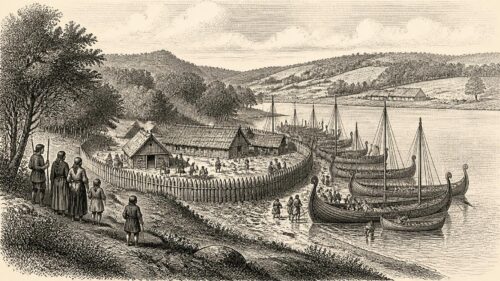
The surviving record for 930 is unusually revealing not because it describes one island-wide war, but because several annals catch armed Scandinavian groups operating at three inland waters: Loch Bethrach in Osraige, Lough Neagh in the north, and the routes connected with the Shannon and Limerick. The sharpest event was the assault on Derc Ferna in Osraige. The Annals of Ulster say that Gofraid, grandson of Ímar, came with the foreigners of Dublin and ‘razed’ the place, an act presented as extraordinary even by the standards of earlier devastation. Chronicon Scotorum calls it a siege and capture, adding a grave,
Read Article
Archived: 29 October 2026
Abstract
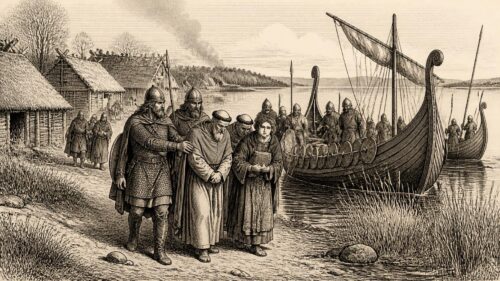
In 840, Viking raiders operating from Lough Neagh plundered Lugbad, capturing bishops, priests and scholars, demonstrating an inland capacity to hold prisoners. Armagh was also burned, although earliest evidence does not identify those responsible. Simultaneously, Feidlimid mac Crimthainn of Munster invaded the midlands and reached Tara, challenging Niall Caille’s northern Uí Néill authority; Niall countered in contested border districts. The year exposed links between waterways, churches, learning and royal power. Annalistic chronology remains uncertain, particularly regarding Viking camps at Dublin and Linn Duachaill, conventionally dated to 841. Nevertheless, 840 marked a transition towards sustained Viking operations and intensified interprovincial rivalry.
Read Article
Archived: 29 October 2026
Abstract
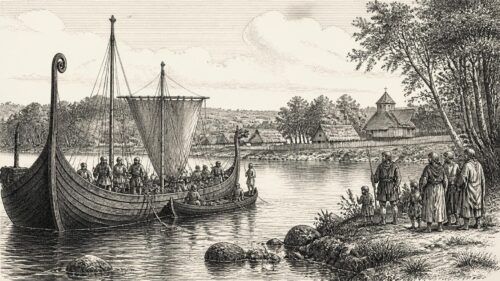
In 839 Scandinavian raiders operated from Lough Neagh, plundering northern Irish communities and churches, revealing new inland reach though no base can be proven. The annals record burnings at Ferns and Cork, demonstrating violence across Ireland. Ecclesiastical deaths and Armagh's disputed abbacy show churches remained centres of learning, property and political influence amid disruption. Killings of regional kings and church officials expose fragmented dynastic politics, while Máel Sechnaill's role at Durrow foreshadowed rising Clann Cholmáin power. Viking destruction of Fortriu in northern Britain heightened the wider maritime threat. Together, these records portray vulnerable yet active societies confronting mobile overseas raiders.
Read Article
Archived: 29 October 2026
Abstract
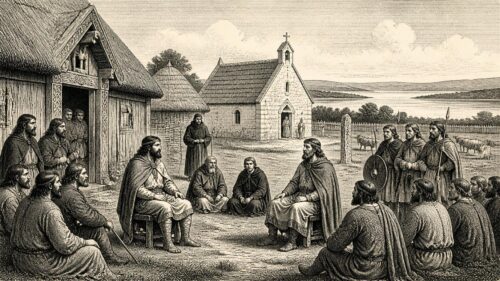
In 838, Feidlimid mac Crimthainn of Munster and Niall Caille of Tara confronted competing claims to supremacy at a royal conference remembered differently by the Annals of Ulster and Inisfallen. Ulster records an inconclusive meeting at Cloncurry; Inisfallen claims Niall submitted at Clonfert, making Feidlimid king of Ireland. Historians reject any settled all-Ireland outcome. Leinster’s succession was unsettled after King Bran’s death, while Connacht suffered a Viking defeat. Scandinavian raiders used Lough Neagh to plunder northern territories and churches, and burned Ferns and Cork. Annals also record clerical continuity and local killings, revealing an increasingly connected, contested, insecure Irish society.
Read Article





